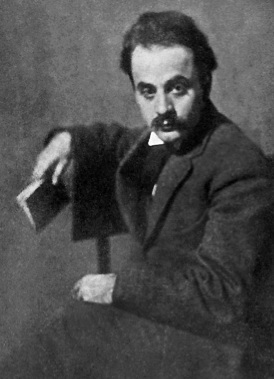
Kahlil Gibran's profound observation, "And there are those who give and know not pain in giving, nor do they seek joy, nor give with mindfulness of virtue," invites us to explore the essence of true generosity. In this statement, Gibran illuminates a form of giving that transcends the transactional nature of human interactions. It beckons us to consider a selflessness that is devoid of expectation, a giving that flows naturally from the heart without the burdens of obligation or the desire for recognition. This perspective on giving is not merely an act; it is a state of being that can transform both the giver and the receiver.
Delving deeper into Gibran's words, we find a challenge to our conventional understanding of generosity. Often, we associate giving with sacrifice or the pursuit of virtue, believing that true generosity must come with a cost or a moral high ground. However, Gibran suggests that there exists a purer form of giving—one that is spontaneous and unencumbered by the weight of expectation. This selfless act of giving is not only liberating for the giver but also enriches the fabric of human connection, fostering a sense of unity and compassion that transcends individual experiences.
The image / the metaphor
The imagery in Gibran's quote evokes a sense of effortless grace in the act of giving. The phrase "know not pain in giving" suggests a lightness, a freedom from the burdens that often accompany our altruistic endeavors. It paints a picture of individuals who give from an abundant wellspring of love and compassion, rather than from a place of obligation or guilt. The verbs chosen—"give," "know not," "seek"—convey a fluidity in the act of generosity, emphasizing that true giving is not a struggle but a natural expression of one's inner state.
Moreover, the metaphor of giving without seeking joy or virtue invites us to reconsider our motivations. It challenges the notion that giving must be tied to personal gain, whether that be emotional satisfaction or moral superiority. Instead, Gibran presents a vision of giving as an intrinsic part of our humanity, where the act itself becomes a celebration of life. This deeper understanding of giving encourages us to cultivate a mindset that values the act of generosity for its own sake, rather than as a means to an end.
In the speaker's tradition
Kahlil Gibran's insights resonate deeply within the Christian mystical tradition, where the concepts of selflessness and divine love are paramount. The idea of kenosis, or self-emptying, reflects a similar ethos—where one relinquishes personal desires to embody a greater love. This aligns with Gibran's vision of giving, which is rooted in a profound understanding of interconnectedness and the divine flow of life. In this context, giving becomes a spiritual practice, a way to align oneself with the greater good and the divine essence that permeates all existence.
In Gibran's work, particularly in "The Prophet," we find echoes of the teachings of Jesus, who emphasized love as the highest virtue. The call to love one's neighbor as oneself is a call to give without expectation, to embrace the spirit of generosity that Gibran articulates. This alignment with the teachings of Christ invites us to reflect on how our acts of giving can be a manifestation of divine love, transcending the limitations of our ego and connecting us to a larger purpose.
Living the teaching
Consider a modern scenario where this teaching can be applied: a community food bank where volunteers come together to serve those in need. In this setting, some individuals may arrive with a sense of obligation, feeling that their time is being sacrificed. However, there are others who give freely, embodying Gibran's ideal of selfless giving. They do not seek recognition or reward; instead, they find joy in the simple act of serving. This creates a ripple effect, inspiring others to engage with the same spirit of generosity, transforming the atmosphere into one of collective compassion.
Another application of this teaching can be found in personal relationships, particularly during challenging moments. Imagine a friend going through a difficult time, and you offer your support without any expectation of reciprocation. In this act of giving, you embody the essence of Gibran's message—your support is not a transaction but a genuine expression of love and care. This selfless approach can deepen your connection, fostering trust and understanding, and ultimately enriching both your life and the life of your friend.
A reflection
As we contemplate Gibran's words, we are invited to reflect on our own motivations for giving. Are we giving out of obligation, or are we able to give freely, without attachment to the outcome? In what ways can we cultivate a spirit of selflessness in our daily lives, allowing our acts of generosity to flow naturally from our hearts? This contemplation can lead us to a deeper understanding of our interconnectedness and the transformative power of love in our relationships and communities.
