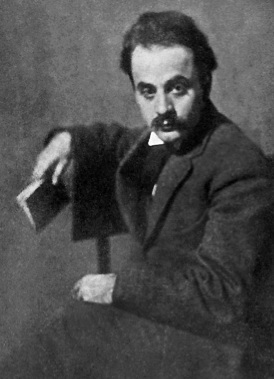
Kahlil Gibran's profound assertion, "Beauty is eternity gazing at itself in a mirror," invites us to contemplate the intricate relationship between beauty and the eternal. In this poetic expression, Gibran suggests that beauty is not merely a fleeting experience but rather a reflection of something timeless and profound. This perspective challenges us to reconsider our understanding of beauty, urging us to see it as a manifestation of the eternal essence that resides within and around us. The stakes are high, as recognizing this connection can transform our perception of the world and ourselves.
Delving deeper, Gibran's words evoke a sense of introspection, prompting us to explore the nature of beauty beyond its superficial appearances. In a culture often obsessed with transient aesthetics, this quote serves as a reminder that true beauty is rooted in a deeper reality—one that transcends the physical and invites us into a contemplative space. By gazing into the metaphorical mirror, we are encouraged to reflect on our own existence and the beauty that emerges from our connection to the eternal. This exploration is not merely an intellectual exercise but a spiritual journey that can lead to profound insights and transformations.
The image / the metaphor
The imagery of beauty gazing at itself in a mirror conjures a vivid scene, rich with layers of meaning. The act of gazing implies a deep, contemplative observation, suggesting that beauty is not passive but actively engaged in self-reflection. The mirror serves as a conduit, allowing beauty to recognize itself, to acknowledge its own existence and significance. This dynamic interplay between beauty and reflection invites us to consider how we perceive beauty in our lives and the world around us, urging us to look beyond the surface and into the essence of what is truly beautiful.
As we delve deeper into the metaphor, we can see that the mirror represents not just a physical object but also a spiritual tool for self-discovery. It challenges us to confront our own perceptions and biases regarding beauty, encouraging us to seek the eternal qualities that lie beneath the ephemeral. In this sense, the mirror becomes a symbol of awareness, inviting us to engage with our inner selves and recognize the beauty that exists within us and in our connections with others. This reflection is a call to embrace a more profound understanding of beauty, one that resonates with the eternal truths of existence.
In the speaker's tradition
Kahlil Gibran, a luminary of Christian mysticism, draws upon a rich tapestry of spiritual concepts that resonate with his assertion about beauty. In this tradition, beauty is often seen as a manifestation of divine love and truth, echoing the ideas of dharma and kenosis, where the self surrenders to a greater reality. The notion of beauty as an eternal truth aligns with the mystical understanding of sunyata, or emptiness, which invites us to see beyond the illusions of the material world and recognize the interconnectedness of all beings. Gibran's perspective encourages us to embrace this interconnectedness, allowing beauty to serve as a bridge to the divine.
In his work, Gibran often weaves together themes of love, beauty, and the eternal, reminiscent of the writings of other mystics such as Meister Eckhart and Rumi. For instance, Rumi's poetry frequently explores the idea of divine love as a source of beauty that transcends the physical realm. Both Gibran and Rumi invite us to experience beauty as a reflection of the divine, urging us to seek the eternal in our everyday lives. This shared understanding within the mystic tradition underscores the importance of recognizing beauty as a pathway to deeper spiritual truths.
Living the teaching
Consider a modern scenario where Gibran's teaching on beauty resonates profoundly. Imagine a bustling city street, where the chaos of daily life often obscures the beauty that surrounds us. In such moments, we may find ourselves rushing past vibrant murals, blooming flowers, or the laughter of children playing. By pausing to truly observe these elements, we can begin to see beauty as a reflection of the eternal, reminding us that even in the midst of chaos, there exists a deeper harmony. This practice of mindful observation allows us to cultivate a sense of gratitude and appreciation for the beauty that permeates our lives.
In the context of relationships, Gibran's insight can be particularly transformative. When faced with challenges or conflicts, we may struggle to see the beauty in our partners or loved ones. However, by embracing the idea that beauty is an expression of the eternal, we can shift our perspective. This shift encourages us to look beyond surface disagreements and recognize the inherent worth and beauty in each person. By fostering this awareness, we can deepen our connections and cultivate a more compassionate and loving environment, allowing the beauty of our relationships to flourish.
A reflection
As we contemplate Gibran's evocative quote, we are invited to engage in a deeper inquiry about our own perceptions of beauty. What does it mean for you to see beauty as eternity gazing at itself? In what ways can you cultivate a more profound appreciation for the beauty that exists within yourself and in the world around you? This contemplative question serves as a gentle reminder to explore the layers of beauty in our lives, encouraging us to embrace the eternal truths that resonate within our hearts.
