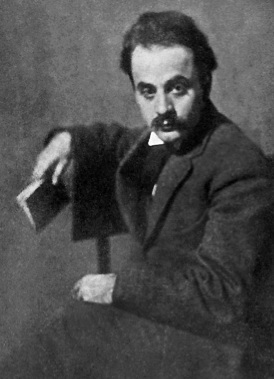
Kahlil Gibran's assertion that "Inspiration will always sing; inspiration will never explain" invites us into a profound contemplation of the nature of creativity and the essence of inspiration itself. This quote suggests that inspiration is an intrinsic, almost mystical force that resonates within us, yet it eludes the confines of rational explanation. In a world often dominated by the need for clarity and justification, Gibran's words remind us of the ineffable quality of inspiration, urging us to embrace its presence without the compulsion to dissect it.
Inspiration, as Gibran articulates, is not merely a fleeting thought or a momentary spark; it is a continuous melody that flows through the fabric of existence. To recognize that inspiration sings rather than explains is to acknowledge the limitations of language and intellect in capturing the fullness of our creative experiences. This perspective invites us to cultivate a deeper relationship with our inner lives, where the song of inspiration can be felt and expressed, even if it remains beyond the reach of our analytical minds.
The image / the metaphor
The imagery of inspiration as a song evokes a sense of beauty, fluidity, and transcendence. Songs are often associated with emotions, memories, and the human experience, suggesting that inspiration is not a static entity but a dynamic force that flows through us. The verb "sing" implies an active, vibrant quality, one that resonates with the heart and soul, while "explain" carries the weight of logic and reason, often stifling the very essence of what makes inspiration alive. In this juxtaposition, Gibran captures the tension between the ineffable nature of creativity and our desire to articulate it.
Diving deeper into the metaphor, we can see that songs are not merely heard; they are felt. They evoke feelings that words alone cannot convey, much like the experience of inspiration itself. When we allow inspiration to sing within us, we tap into a wellspring of creativity that transcends the limitations of our rational minds. This metaphor encourages us to embrace the emotional and intuitive aspects of our creative processes, reminding us that the most profound truths often lie beyond the realm of explanation.
In the speaker's tradition
Kahlil Gibran, a luminary of Christian mysticism, draws upon a rich tapestry of spiritual concepts that resonate with the essence of his quote. The idea of inspiration as a song aligns with the mystical understanding of dharma, or the inherent duty and path that each individual must follow. Just as dharma is often felt rather than explicitly defined, so too is inspiration—a guiding force that calls us to express our unique gifts without the need for justification. This perspective invites us to trust in the unfolding of our creative journeys, allowing inspiration to lead us rather than seeking to control it.
Moreover, Gibran's emphasis on the ineffability of inspiration echoes the teachings found in the works of other mystics, such as Meister Eckhart, who spoke of the "birth of the Word" from the silence of the soul. In his writings, Eckhart emphasizes the importance of stillness and receptivity in the creative process, suggesting that true inspiration arises from a deep connection with the divine. This parallel reinforces Gibran's assertion that while inspiration may sing, it remains beyond the grasp of our rational minds, inviting us to cultivate a contemplative space where we can listen and receive.
Living the teaching
Consider a modern scenario where this teaching resonates: an artist standing before a blank canvas, grappling with the pressure to create something meaningful. In this moment, the artist may feel the pull of inspiration, a vibrant energy urging them to express their vision. However, the weight of expectation can lead to a paralysis of thought, where the desire to explain or justify their choices stifles the very inspiration they seek to capture. By embracing Gibran's wisdom, the artist can shift their focus from the need for explanation to the act of creation itself, allowing inspiration to flow freely and authentically.
This teaching can also be applied in relationships, particularly during moments of conflict or misunderstanding. When faced with a challenging conversation, individuals often feel the urge to rationalize their feelings or defend their positions. Yet, if they can pause and allow the song of inspiration—compassion, understanding, and empathy—to guide their responses, they may find a deeper connection with one another. By prioritizing the emotional resonance of their interactions over the need for explanation, they create space for healing and reconciliation, embodying the essence of Gibran's insight.
A reflection
As we contemplate Gibran's assertion that "Inspiration will always sing; inspiration will never explain," we are invited to reflect on our own relationship with inspiration. How often do we allow ourselves to be guided by the song of our inner creativity, rather than succumbing to the pressure to articulate or justify it? In what areas of our lives can we cultivate a deeper trust in the process of inspiration, embracing its mystery and allowing it to unfold without the constraints of explanation? This contemplation invites us to explore the sacred space where inspiration resides, encouraging us to listen deeply and respond authentically.
