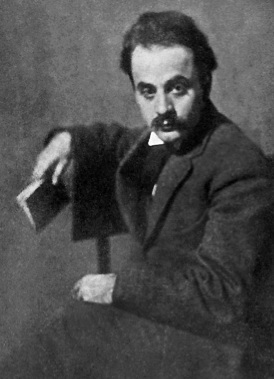
Kahlil Gibran's poignant assertion, "It is the bitter potion by which the physician within you heals your sick self," invites us to confront the paradox of healing. In this statement, Gibran suggests that the path to wellness often requires us to endure discomfort and pain. This notion resonates deeply within the human experience, as we grapple with our own suffering and the transformative potential that lies within it. Understanding this quote compels us to explore the intricate relationship between pain and healing, a journey that is both personal and universal.
As we delve deeper into Gibran's wisdom, we recognize that the "bitter potion" symbolizes the trials and tribulations we encounter in life. These experiences, while often unwelcome, serve as catalysts for growth and self-discovery. The physician within us, a metaphor for our innate capacity for healing, calls us to embrace these challenges rather than shy away from them. This exploration of inner healing is not merely an intellectual exercise; it is a profound invitation to engage with our own vulnerabilities and emerge transformed.
The image / the metaphor
The imagery in Gibran's quote is striking and evocative. The "bitter potion" conjures a sense of discomfort, suggesting that healing is not always a pleasant experience. The use of the word "physician" implies an active role in the healing process, emphasizing that we are not passive recipients of care but rather active participants in our own recovery. This duality of suffering and healing encapsulates the human condition, where pain often precedes the emergence of strength and resilience.
In the speaker's tradition
Gibran's insights are deeply rooted in the Christian mystical tradition, where the interplay of suffering and redemption is a central theme. Concepts such as kenosis—the self-emptying of one's will—echo the idea that true healing requires surrendering to the process, allowing the divine to work within us. This aligns with the notion of dharma in Eastern philosophies, where one’s duty often involves facing the trials that life presents. In both traditions, the journey toward healing is seen as a sacred path, one that necessitates embracing the full spectrum of human experience.
In Gibran's own work, particularly in "The Prophet," we find echoes of this theme in the character of Almitra, who speaks of love and sorrow as intertwined forces. The text suggests that to love deeply is to also experience profound pain, reinforcing the idea that healing is a holistic process. This duality is mirrored in the writings of mystics such as St. John of the Cross, who articulated the "dark night of the soul" as a necessary passage toward spiritual enlightenment. Both Gibran and these mystics remind us that our suffering is not in vain; it is a vital part of our journey toward wholeness.
Living the teaching
Consider a modern scenario where this teaching resonates: an individual grappling with the loss of a loved one. The pain of grief can feel insurmountable, yet it is through this bitter experience that one begins to heal. The process may involve confronting memories, allowing tears to flow, and ultimately finding a way to honor the departed. In this context, the "physician within" emerges as the person learns to navigate their sorrow, transforming it into a source of strength and compassion for others who are suffering.
Another application of Gibran's teaching can be found in relationships, particularly during conflicts. When misunderstandings arise, the discomfort can feel overwhelming. However, it is often through these challenging moments that deeper understanding and connection are forged. By embracing the "bitter potion" of honest communication and vulnerability, individuals can heal rifts and cultivate a more profound bond. This process exemplifies how the journey through pain can lead to greater intimacy and resilience in our relationships.
A reflection
As we contemplate Gibran's profound words, we are invited to reflect on our own experiences of pain and healing. What "bitter potions" have you encountered in your life, and how have they contributed to your personal growth? This question encourages us to embrace our struggles as integral to our journey, allowing us to recognize the transformative power of our experiences. In doing so, we honor the physician within us, acknowledging that healing often requires us to face our wounds with courage and grace.
