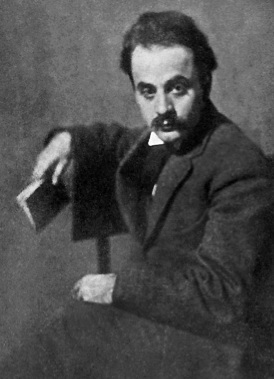
Kahlil Gibran's poignant observation, "Many a doctrine is like a window pane. We see truth through it but it divides us from truth," invites us to reflect on the nature of our beliefs and the frameworks through which we perceive reality. In this metaphor, doctrines serve as both a lens and a barrier, allowing glimpses of truth while simultaneously obscuring the essence of that truth itself. This dichotomy is crucial in our spiritual journeys, as it challenges us to discern the difference between the teachings we hold and the deeper truths they aim to convey.
As we navigate our lives, the doctrines we adopt can shape our understanding of existence, yet they can also create divisions among us. Gibran's words resonate in a world rife with ideological conflicts, where differing beliefs often lead to misunderstanding and estrangement. The call to transcend these barriers is not merely an intellectual exercise; it is a profound spiritual imperative that urges us to seek a more direct experience of truth, one that is unmediated by the constructs we create.
The image / the metaphor
The imagery of a window pane is rich and evocative, suggesting clarity and separation in equal measure. A window allows light to enter, illuminating the space within, yet it also serves as a barrier, preventing direct contact with the outside world. In this way, doctrines can illuminate our understanding of spiritual truths, yet they can also create a distance that keeps us from fully experiencing those truths. The choice of the word "divides" emphasizes the potential for separation, highlighting the paradox of seeking truth through a lens that may distort or limit our perception.
Diving deeper into this metaphor, we can consider how the act of looking through a window requires a certain posture of engagement. We must lean in, squint, or even wipe the glass to see more clearly. This suggests that while doctrines can provide a framework for understanding, they also demand active participation and discernment from us. The challenge lies in recognizing when we are merely observing through the glass versus when we are engaging with the essence of truth itself. It is a call to move beyond passive observation into a more dynamic relationship with our beliefs.
In the speaker's tradition
Kahlil Gibran, a luminary of Christian mysticism, draws upon a rich tapestry of spiritual thought that emphasizes the importance of direct experience with the divine. In this tradition, concepts such as kenosis—the self-emptying of one's own will—resonate deeply with Gibran's insights. Just as kenosis invites us to relinquish our ego-driven desires to encounter the divine, Gibran's metaphor encourages us to let go of rigid doctrines that may obscure our connection to truth. This aligns with the mystical pursuit of sunyata, or emptiness, which invites us to see beyond the constructs of our minds and beliefs.
In Gibran's own work, particularly in "The Prophet," we find echoes of this teaching. The prophet speaks of love, joy, and sorrow, urging listeners to embrace the full spectrum of human experience without being confined by dogma. This reflects a broader spiritual truth found in many mystical traditions: that the essence of truth often lies beyond the confines of our established beliefs. By recognizing the limitations of our doctrines, we open ourselves to a more profound understanding of the divine.
Living the teaching
Consider a modern scenario where this teaching might resonate: a community meeting where differing beliefs about a social issue lead to heated debates. Participants may hold tightly to their doctrines, each convinced of their own truth, yet failing to engage with the underlying human experiences that inform those beliefs. In such moments, Gibran's metaphor serves as a reminder to look beyond the window pane of our convictions and seek the shared truths that unite us. By fostering empathy and understanding, we can bridge the divides that separate us and cultivate a more compassionate dialogue.
In the realm of personal relationships, the implications of Gibran's insight can be equally profound. Imagine a couple facing a conflict rooted in differing beliefs about parenting. Each partner may cling to their doctrine, viewing the other as an adversary rather than a collaborator. Here, the challenge is to recognize that these beliefs, while important, should not become barriers to love and understanding. By approaching the situation with openness and a willingness to see beyond the glass, they can discover a shared commitment to their child's well-being, transcending the limitations of their individual perspectives.
A reflection
As we contemplate Gibran's words, we are invited to consider the doctrines we hold and the ways they may both illuminate and obscure our understanding of truth. What beliefs have we adopted that serve as window panes in our lives? In what ways might we lean in closer, wipe the glass, or even step outside to engage with the world more directly? This reflection encourages us to seek a deeper connection with truth, one that transcends the barriers we often construct.
