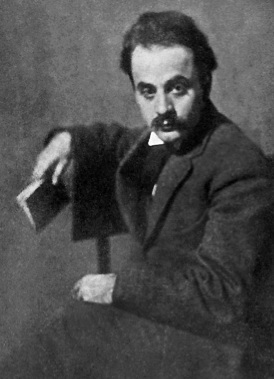
Kahlil Gibran's evocative assertion that "trees are poems that the earth writes upon the sky" invites us to reflect on the profound relationship between nature and our human experience. In this metaphor, trees symbolize the beauty and wisdom of the natural world, while the act of turning them into paper signifies our tendency to extract and commodify that beauty, often leaving us feeling empty. This poignant observation compels us to consider the cost of our actions on the environment and our own spiritual well-being, urging us to seek a deeper connection with the world around us.
Gibran's words resonate with a timeless truth: that in our quest to document our lives, we may inadvertently sever our ties to the very essence of existence. The trees, as living poems, embody the stories of the earth, whispering secrets of resilience, growth, and interconnectedness. Yet, when we reduce them to mere resources for our own narratives, we risk losing sight of the richness that nature offers. This contemplation serves as a reminder to honor the sacredness of the natural world and to recognize our place within it.
The image / the metaphor
The imagery in Gibran's quote is striking and layered. By likening trees to poems, he evokes a sense of artistry and creativity inherent in nature. The earth, as a poet, crafts these living beings that reach toward the sky, suggesting a divine connection between the terrestrial and the celestial. The verbs "fell" and "turn" carry a weight of action that implies both destruction and transformation, emphasizing the duality of human interaction with nature. This duality evokes a felt sense of loss and longing, as we grapple with the consequences of our choices.
Diving deeper into the metaphor, we find that trees represent not only beauty but also wisdom and endurance. They stand as witnesses to the passage of time, their rings telling stories of seasons endured and storms weathered. In this light, the act of turning trees into paper becomes a poignant commentary on our desire to capture and control the narratives of our lives. Yet, in doing so, we may overlook the inherent wisdom that nature offers, a wisdom that speaks to our own emptiness and the need for connection.
In the speaker's tradition
Kahlil Gibran's work is steeped in the tradition of Christian mysticism, which emphasizes the interconnectedness of all creation and the divine presence within it. Concepts such as kenosis, the self-emptying of one's will for the sake of others, resonate deeply with Gibran's message. In recognizing the trees as poems, we are invited to consider our own role in the cycle of life and the importance of humility in our interactions with the natural world. This perspective aligns with the idea of dharma, where our actions should reflect a sense of duty and respect toward all living beings.
Moreover, Gibran's reflections can be likened to the teachings found in the works of mystics such as Meister Eckhart, who spoke of the divine spark within creation. In his writings, Eckhart emphasized the importance of recognizing the sacred in the ordinary, urging us to see the beauty in the world around us. Gibran's metaphor of trees as poems echoes this sentiment, inviting us to engage with nature not merely as a resource but as a source of inspiration and spiritual nourishment.
Living the teaching
In our modern lives, the teaching encapsulated in Gibran's quote can manifest in various ways. Consider a scenario where an individual feels overwhelmed by the demands of daily life, constantly striving to achieve and document their experiences. In this pursuit, they may overlook the simple beauty of a walk in the park or the tranquility of a nearby forest. By taking a moment to pause and appreciate the trees, recognizing them as living poems, one can cultivate a sense of gratitude and connection to the earth, transforming a mundane moment into a profound experience of presence.
Similarly, in relationships, the essence of Gibran's teaching can guide us toward deeper understanding and empathy. When conflicts arise, we often focus on our own narratives, seeking to assert our perspectives. However, by embracing the metaphor of trees, we can learn to listen more deeply to one another, recognizing that each person carries their own story, much like the rings of a tree. This shift in perspective fosters compassion and connection, allowing us to navigate challenges with greater grace and understanding.
A reflection
As we contemplate Gibran's poignant words, we are invited to reflect on our own relationship with nature and the narratives we create. Are we honoring the beauty and wisdom of the world around us, or are we merely extracting from it? In what ways can we cultivate a deeper connection to the earth, allowing its poetry to enrich our lives? Consider these questions as you move through your day, seeking moments of stillness and appreciation for the living poems that surround you.
