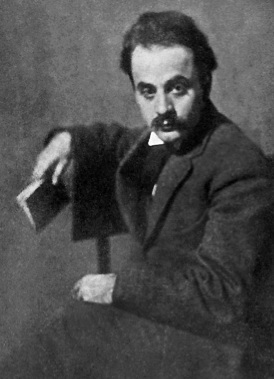
Kahlil Gibran's poignant observation, "We are all prisoners but some of us are in cells with windows and some without," invites us to reflect on the nature of our confinement and the varying degrees of freedom we experience in life. This metaphor speaks to the human condition, suggesting that while we may all face limitations, our perspectives can transform the way we experience those limitations. The stakes are high; understanding this distinction can lead to profound insights about our emotional and spiritual well-being.
In a world where external circumstances often dictate our sense of freedom, Gibran's words remind us that the internal landscape of our minds plays a crucial role in shaping our experience. The "windows" in our cells symbolize the perspectives and insights that allow us to see beyond our immediate circumstances, offering glimpses of hope and possibility. Conversely, those without windows may feel trapped in a darker, more oppressive reality. This exploration of perspective is not merely an intellectual exercise; it is a vital inquiry into how we navigate our lives and the choices we make.
The image / the metaphor
The imagery in Gibran's quote evokes a powerful sense of confinement, yet it simultaneously introduces the notion of perspective. The "cells" represent the limitations we all encounter—be they societal, emotional, or existential. The choice of the word "prisoners" suggests a lack of agency, a feeling that we are bound by forces beyond our control. However, the introduction of "windows" offers a contrasting image of light and possibility, inviting us to consider how our perceptions can alter our experience of confinement.
In the speaker's tradition
Kahlil Gibran, a luminary of Christian mysticism, draws upon a rich tapestry of spiritual concepts that resonate with his quote. The idea of "kenosis," or self-emptying, is particularly relevant here; it suggests that true freedom arises not from external circumstances but from an inner relinquishing of attachments and desires. This aligns with the notion of "fana," or annihilation of the self, found in Sufi mysticism, where the individual transcends their limitations through a deep connection with the divine.
In Gibran's work, we also find echoes of the concept of "bhakti," or devotion, which emphasizes the importance of surrendering to a higher power. This surrender can lead to a profound sense of liberation, as one learns to see beyond the confines of their immediate reality. In his poem "The Prophet," Gibran speaks of the transformative power of love and understanding, suggesting that through these qualities, we can find the windows in our cells and embrace a more expansive view of life.
Living the teaching
Consider a modern scenario where this teaching resonates: an individual facing the constraints of a demanding job that feels stifling and unfulfilling. They may feel like a prisoner to their responsibilities, yet by cultivating a perspective of gratitude and seeking meaning in their work, they can begin to see their situation through a different lens. This shift in perspective can transform their experience, allowing them to find joy and purpose even within the confines of their role.
In relationships, the concept of "cells with windows" can also apply. Imagine a couple navigating a difficult phase in their partnership. One partner may feel trapped by unresolved conflicts, while the other seeks to understand and communicate openly. By fostering empathy and compassion, they can create "windows" of understanding, allowing them to see beyond their immediate frustrations and work towards a deeper connection. This practice of open dialogue and vulnerability can lead to a more liberated and fulfilling relationship.
A reflection
As we contemplate Gibran's profound insight, we are invited to ask ourselves: What windows can I open in my own life to transform my experience of confinement? This question encourages us to explore the perspectives we hold and the beliefs that may limit our sense of freedom. By engaging in this reflective practice, we can begin to identify the areas in our lives where we can cultivate awareness and insight, ultimately leading us toward a more liberated existence.
