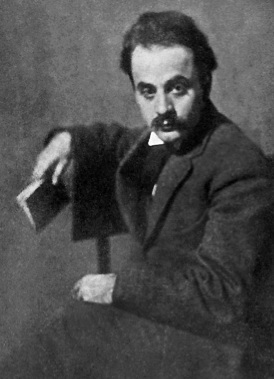
Kahlil Gibran's assertion that "Words are timeless. You should utter them or write them with a knowledge of their timelessness" invites us to reflect deeply on the power and permanence of our expressions. In a world where communication is often fleeting and superficial, Gibran urges us to recognize the weight our words carry, not just in the moment but across the expanse of time. This awareness compels us to speak and write with intention, understanding that our words can resonate far beyond their immediate context.
To grasp the significance of Gibran's insight, we must consider the implications of timelessness in our communication. Words have the potential to inspire, heal, and transform, yet they can also harm and mislead. By acknowledging their enduring nature, we become more responsible stewards of language, aware that what we say can echo through generations, shaping thoughts, beliefs, and actions long after we have spoken. This responsibility is not merely a burden but an invitation to engage with the world more thoughtfully and compassionately.
The image / the metaphor
The imagery in Gibran's quote evokes a sense of reverence for language. The term "timeless" suggests that words transcend the limitations of time and space, existing in a realm where they can be revisited and reinterpreted. The verbs "utter" and "write" imply an active engagement with language, a conscious choice to bring forth thoughts and feelings into the world. This act of expression is not casual; it is a deliberate act that carries the potential for profound impact.
Diving deeper into the metaphor, we can see that words are akin to seeds planted in the fertile soil of human experience. Once spoken or written, they take root, growing and evolving in the minds and hearts of those who encounter them. Just as a seed can blossom into a magnificent tree, so too can our words foster understanding, connection, and wisdom. The responsibility lies in recognizing that we are not merely speaking into the void; we are contributing to a larger tapestry of human experience, one that can nurture or wither depending on our choices.
In the speaker's tradition
Kahlil Gibran's work is deeply rooted in the Christian mystical tradition, which emphasizes the interconnectedness of all beings and the divine presence within each moment. Concepts such as kenosis, the self-emptying of one's will to embrace the divine, resonate with Gibran's call for mindful communication. In this context, words become a vehicle for expressing love, compassion, and truth, reflecting the divine essence that permeates existence. The timelessness of words aligns with the idea of dharma, where one's actions and expressions are seen as part of a greater cosmic order.
In Gibran's own writings, particularly in "The Prophet," we find echoes of this understanding. The character Almitra speaks of the power of words to convey deep truths and emotions, suggesting that language is not merely a tool for communication but a sacred act of creation. This aligns with the mystical belief that our expressions can bridge the gap between the human and the divine, allowing us to participate in the unfolding of a greater narrative that transcends our individual lives.
Living the teaching
Consider a modern scenario where Gibran's teaching resonates profoundly: a heated discussion on social media. In the heat of the moment, individuals often forget the timeless nature of their words, resorting to impulsive reactions that can lead to misunderstandings and conflict. By embracing Gibran's wisdom, one might pause to reflect before responding, recognizing that their words could contribute to a narrative of division or unity. This awareness can transform the interaction, fostering a space for dialogue that honors the humanity of all participants.
In the realm of personal relationships, the impact of Gibran's insight is equally significant. Imagine a moment of tension between friends, where hurtful words could easily be exchanged. By recalling the timelessness of their expressions, both individuals might choose to communicate with empathy and understanding, seeking to articulate their feelings without causing harm. This practice not only deepens their connection but also cultivates a shared responsibility for the words they choose, reinforcing the idea that language can be a source of healing rather than division.
A reflection
As we contemplate Gibran's profound statement, we are invited to consider the weight of our own words. How often do we speak or write without fully grasping the potential impact of our expressions? In moments of reflection, let us ask ourselves: What legacy do I wish to leave through my words, and how can I cultivate a practice of mindful communication that honors the timelessness of language?
