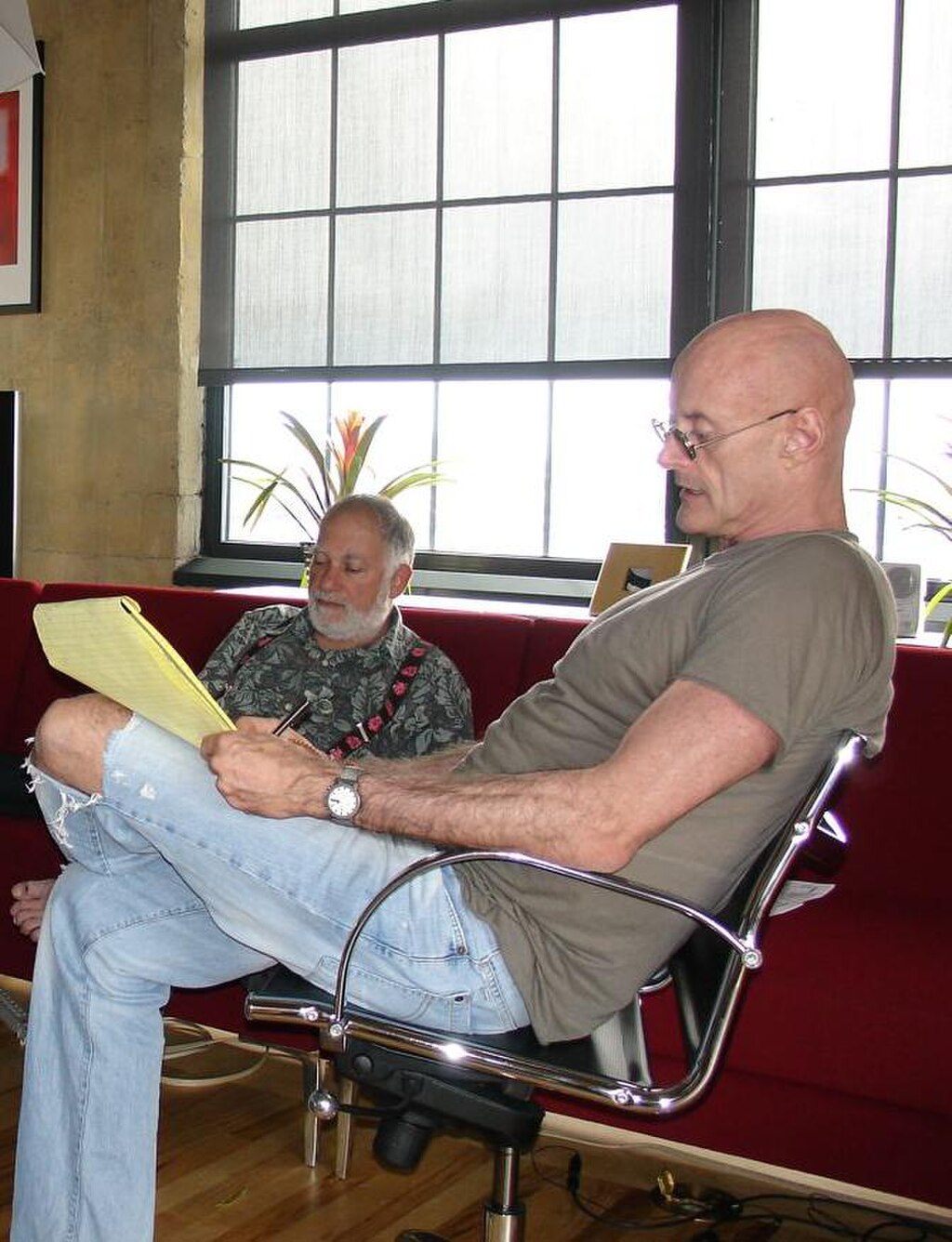
Ken Wilber invites us to "witness whatever arises in your awareness," a profound call to engage with our experiences without attachment or aversion. This statement underscores the importance of cultivating a mindful presence, encouraging us to observe our thoughts, emotions, and sensations as they emerge. In a world often characterized by distraction and reactivity, this practice of witnessing becomes essential for personal growth and spiritual development, allowing us to navigate the complexities of life with greater clarity and compassion.
To witness is to create a space of observation, a gentle detachment that allows us to see our experiences as they are, rather than how we wish them to be. This act of witnessing is not passive; it requires an active engagement with our inner landscape. By fostering awareness, we can begin to understand the transient nature of our thoughts and feelings, recognizing that they do not define us. This understanding is crucial for anyone seeking to deepen their spiritual practice and cultivate a more profound sense of peace and acceptance in their lives.
The image / the metaphor
The imagery of witnessing conjures a sense of spaciousness and openness, suggesting a perspective that transcends the immediacy of our experiences. The verb "witness" implies an observer who is both present and detached, allowing for a nuanced understanding of what arises in our awareness. This act of witnessing can be likened to watching clouds drift across the sky; while they may obscure the sun temporarily, they are ultimately ephemeral, reminding us of the impermanence of all things.
Diving deeper into this metaphor, we can see that witnessing is not merely about observation but also about acceptance. It invites us to embrace whatever arises, whether it be joy, sorrow, anger, or peace, without judgment. This acceptance fosters a sense of equanimity, allowing us to engage with our experiences fully while maintaining a sense of inner calm. In this way, witnessing becomes a transformative practice, enabling us to cultivate a deeper relationship with ourselves and the world around us.
In the speaker's tradition
Ken Wilber's integral philosophy emphasizes the interconnectedness of all aspects of human experience, drawing from various spiritual traditions to create a comprehensive framework for understanding consciousness. Within this context, the act of witnessing aligns closely with concepts such as dharma, the inherent nature of reality, and kenosis, the process of self-emptying that allows for greater openness to experience. By witnessing our thoughts and emotions, we engage in a practice that resonates with the principles of sunyata, or emptiness, which teaches us that our identities are not fixed but fluid and ever-changing.
Wilber's work often references the idea of "the spectrum of consciousness," which suggests that our awareness can expand and deepen through various stages of development. This notion parallels the Buddhist concept of prajna, or wisdom, which arises from a clear understanding of the nature of reality. By witnessing what arises in our awareness, we cultivate this wisdom, allowing us to navigate the complexities of life with greater insight and compassion. In this way, Wilber's teachings serve as a bridge between ancient spiritual wisdom and contemporary understandings of consciousness.
Living the teaching
Consider a modern scenario where this teaching can be applied: imagine sitting in a meeting at work, feeling a surge of frustration as a colleague interrupts you. In that moment, the practice of witnessing invites you to observe your feelings without immediately reacting. Instead of allowing frustration to dictate your response, you can acknowledge it, recognize its presence, and choose how to engage with it. This conscious act of witnessing transforms a potentially reactive situation into an opportunity for mindful communication and understanding.
In a different context, think about a challenging relationship where misunderstandings often arise. By applying the principle of witnessing, you can approach difficult conversations with a sense of openness and curiosity. Rather than becoming defensive or entrenched in your perspective, you can observe your emotions and thoughts as they surface, allowing for a more compassionate dialogue. This practice not only enhances your relationships but also fosters a deeper sense of connection and empathy, enriching your interactions with others.
A reflection
As we reflect on Wilber's invitation to "witness whatever arises in your awareness," we are called to consider how this practice can transform our daily lives. What would it mean for you to cultivate a witness consciousness in your own experiences? In moments of joy, sorrow, or conflict, how might the act of witnessing shift your perspective and deepen your understanding of yourself and others? Allow this contemplative question to guide you as you explore the richness of your inner landscape.


