The Heart of Remembrance: Devotion Beyond Action
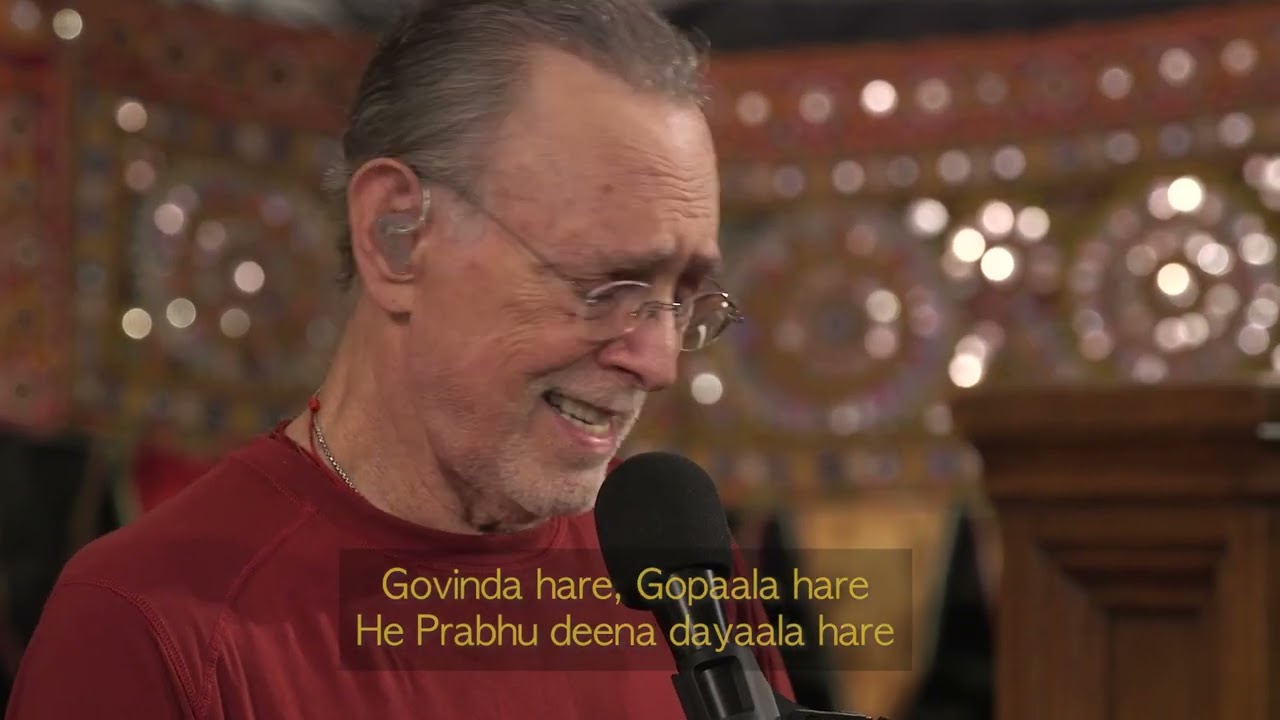
In the words of Krishna Das, "Devotion is not something you do. It is something you remember." This profound statement invites us to reconsider our understanding of devotion, shifting the focus from external acts to an internal state of being. It suggests that true devotion is not merely a series of rituals or practices, but rather a deep-seated remembrance of our connection to the divine. This distinction is crucial, as it emphasizes the essence of devotion as an inherent quality of our consciousness rather than a checklist of activities.
By framing devotion as a matter of remembrance, Krishna Das opens a pathway to explore the subtleties of our spiritual lives. It encourages us to look inward, to reflect on the moments when we feel most connected to something greater than ourselves. This perspective can transform our spiritual practice from a task-oriented endeavor into a rich, contemplative journey that nurtures our souls. In a world often dominated by busyness and distraction, this reminder to remember invites us to cultivate a deeper awareness of our spiritual essence.
The image / the metaphor
The imagery in Krishna Das's quote evokes a sense of nostalgia and intimacy. The verb "remember" suggests a gentle, reflective process rather than a forceful action. It conjures the idea of recalling a cherished memory, where the heart naturally gravitates toward love and connection. This sense of remembrance is not about striving or achieving; it is about allowing ourselves to be enveloped in the warmth of our innate devotion. The metaphor of remembrance implies that devotion is already present within us, waiting to be acknowledged and embraced.
Diving deeper into this metaphor, we can see that remembrance is an act of returning to our true nature. It implies that devotion is not something we must create or fabricate; rather, it is a recognition of what has always been there. This perspective aligns with the teachings of many spiritual traditions, where the essence of the divine is seen as inherent in all beings. By remembering our connection to the divine, we can dissolve the barriers that separate us from our true selves and from one another, allowing love and compassion to flow freely.
In the speaker's tradition
Krishna Das is deeply rooted in the tradition of bhakti, which emphasizes love and devotion toward the divine. In this context, devotion is not merely an emotional response but a profound practice of surrender and remembrance. Concepts such as dharma, the path of righteousness, and bhakti itself, the loving devotion to God, are central to this tradition. The idea of kenosis, or self-emptying, resonates here as well, suggesting that in remembering our devotion, we must also let go of our ego and the distractions that cloud our hearts.
In the Bhagavad Gita, a foundational text of Indian spirituality, the importance of remembrance is echoed in the concept of smriti, or memory. The Gita teaches that by remembering our duty and our connection to the divine, we can navigate the complexities of life with grace and purpose. This aligns beautifully with Krishna Das's assertion that devotion is a matter of remembrance, inviting us to engage with our spiritual practice as a means of reconnecting with our true essence.
Living the teaching
Consider a modern scenario where this teaching can be applied: a busy professional juggling multiple responsibilities may feel overwhelmed and disconnected from their spiritual life. In such moments, the reminder that devotion is about remembrance can serve as a gentle nudge to pause and reflect. Instead of adding more tasks to their already full schedule, they might take a few moments to breathe deeply and recall a time when they felt a profound sense of connection to the divine. This simple act of remembrance can reignite their sense of purpose and devotion, transforming their daily grind into a more meaningful experience.
In relationships, the teaching of remembrance can also play a pivotal role. During conflicts or misunderstandings, it is easy to lose sight of the love and connection that initially brought two people together. By consciously choosing to remember the essence of their bond, individuals can navigate difficult moments with greater compassion and understanding. This practice of remembrance fosters a deeper connection, allowing love to flourish even amidst challenges, reminding us that devotion is not just an act but a state of being that can be cultivated in every interaction.
A reflection
As we contemplate Krishna Das's insight, we are invited to explore the nature of our own devotion. How often do we engage in the practice of remembrance, allowing ourselves to reconnect with the divine presence that resides within us? In what ways can we cultivate this remembrance in our daily lives, transforming our spiritual practice from a series of actions into a heartfelt journey of connection? Let these questions guide your reflection, inviting you to deepen your understanding of devotion as a living, breathing aspect of your existence.