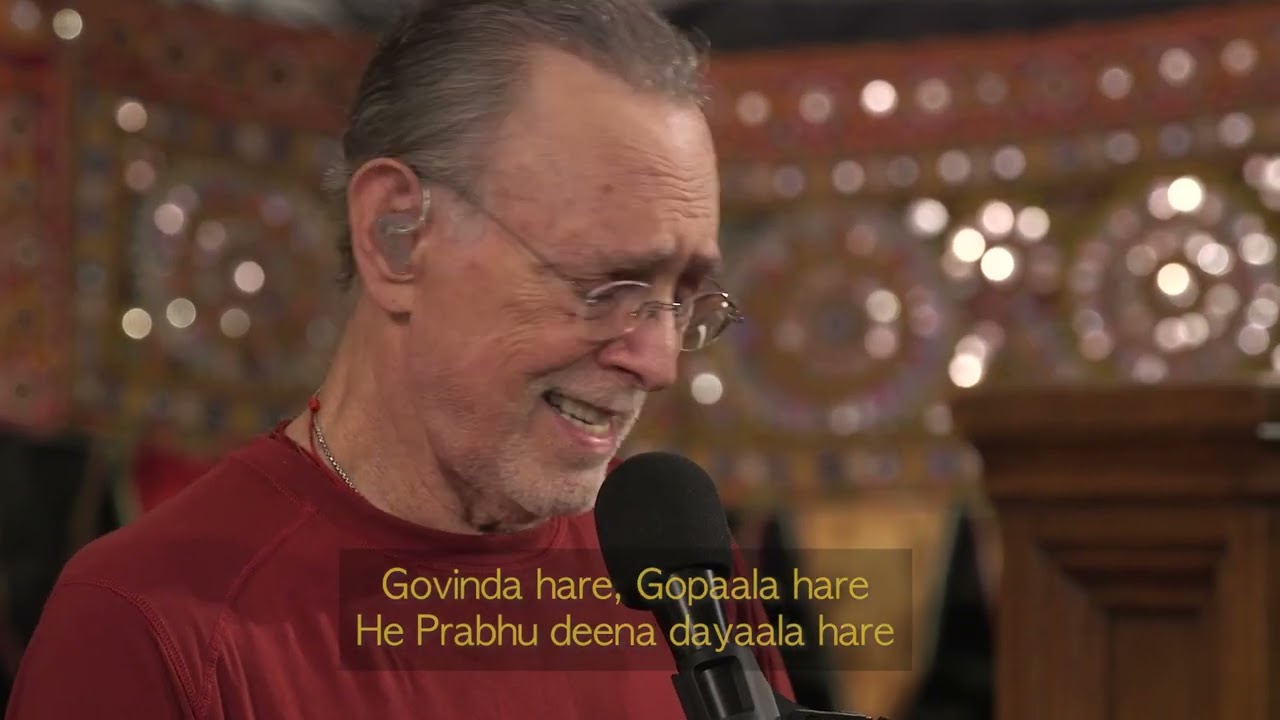
In the poignant words of Krishna Das, "Don't seek experiences. Seek love." This simple yet profound statement invites us to reconsider our motivations and desires in life. In a world often driven by the pursuit of transient experiences—whether they be thrilling adventures, material acquisitions, or fleeting pleasures—Krishna Das urges us to redirect our focus toward the deeper, more enduring essence of love. This shift in perspective is not merely a philosophical exercise; it holds the potential to transform our lives and relationships in meaningful ways.
At its core, this quote speaks to the human condition, highlighting a fundamental truth about our existence. We are often caught in a cycle of seeking external validation and stimulation, mistaking these experiences for fulfillment. Yet, Krishna Das reminds us that true contentment lies not in the ephemeral but in the profound connections we cultivate with ourselves and others. By prioritizing love, we align ourselves with a deeper purpose, one that transcends the superficiality of momentary experiences and taps into the eternal wellspring of compassion and connection.
The image / the metaphor
When we unpack the imagery of Krishna Das's quote, we find a rich tapestry woven with the threads of longing and fulfillment. The verb "seek" implies an active pursuit, a quest that often leads us down winding paths filled with distractions. Experiences, in this context, can be likened to shimmering mirages—captivating and alluring, yet ultimately insubstantial. In contrast, "love" evokes a sense of warmth, depth, and stability, suggesting a destination that nourishes the soul rather than merely titillating the senses.
Delving deeper into the metaphor, we can envision love as a vast ocean, while experiences are but fleeting waves that crash upon the shore. The waves may be exhilarating, but they recede, leaving us yearning for more. In contrast, the ocean remains, a constant presence that invites us to dive deeper into its depths. By seeking love, we are encouraged to immerse ourselves in this ocean, allowing its currents to guide us toward a more profound understanding of ourselves and our interconnectedness with all beings.
In the speaker's tradition
Krishna Das, a prominent figure in the bhakti tradition, embodies the essence of devotion and love as pathways to spiritual awakening. Bhakti, which translates to "devotion," emphasizes the importance of cultivating a loving relationship with the divine. This tradition teaches that through love—whether directed toward God, others, or oneself—we can transcend the limitations of the ego and experience a state of unity and bliss. Concepts such as dharma (righteous duty) and prajna (wisdom) further illuminate the path of love, guiding practitioners to act with compassion and understanding in their daily lives.
In the context of bhakti, we can draw parallels to the teachings found in the Bhagavad Gita, where Lord Krishna emphasizes the significance of selfless action and devotion. In Chapter 12, Krishna speaks of the various paths to realization, ultimately highlighting that the path of love and devotion is the most accessible and fulfilling. This resonates with Krishna Das's message, as both emphasize that the pursuit of love leads to a deeper understanding of our true nature and our connection to the divine.
Living the teaching
Consider a modern scenario where the teaching of seeking love over experiences can be applied: a busy professional who finds themselves caught in the relentless cycle of work, social events, and the pursuit of accolades. This individual may chase after promotions and recognition, believing that these experiences will bring happiness. However, by shifting their focus to nurturing relationships with family, friends, and colleagues—expressing love and gratitude—they may discover a more profound sense of fulfillment that transcends the fleeting satisfaction of career achievements.
In a different context, imagine a couple navigating a challenging phase in their relationship. They may find themselves fixated on the experiences they once shared, longing for the excitement of their early days. However, if they redirect their efforts toward cultivating love—through open communication, acts of kindness, and shared vulnerability—they can rekindle their connection. This practice of prioritizing love over mere experiences can transform their relationship into a deeper, more resilient bond that withstands the tests of time.
A reflection
As we contemplate Krishna Das's profound statement, we are invited to reflect on our own lives: Are we seeking experiences that distract us from our true essence, or are we nurturing the love that connects us to ourselves and others? This question encourages us to examine our motivations and desires, prompting a deeper inquiry into what truly brings us joy and fulfillment. In this moment of reflection, consider: How can you cultivate love in your life today, and what experiences might you let go of in order to make space for this deeper connection?