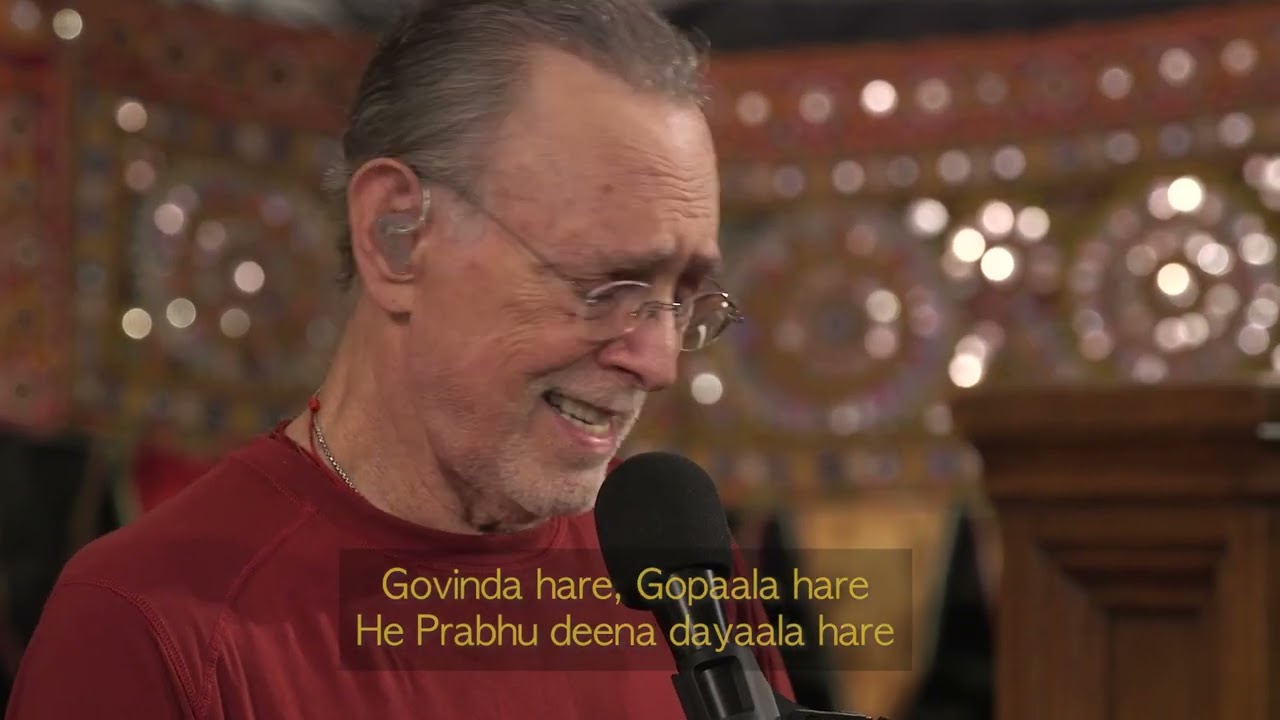
Krishna Das's poignant assertion, "In every act of love, the Name is being chanted," invites us to explore the profound connection between love and the sacred. This statement suggests that love is not merely an emotion or a fleeting sentiment; it is a spiritual practice, a manifestation of the divine presence in our lives. By recognizing that every act of love reverberates with the sacred Name, we are called to elevate our understanding of love as a transformative force that transcends the mundane and connects us to the divine essence.
In a world often characterized by division and disconnection, this quote serves as a reminder of the unifying power of love. It encourages us to see love as a sacred act, one that resonates with the divine Name, which in many spiritual traditions is synonymous with the essence of God. By embodying this understanding, we can cultivate a deeper awareness of our actions and their spiritual significance, ultimately leading us toward a more harmonious existence with ourselves and others.
The image / the metaphor
The imagery in Krishna Das's quote evokes a sense of rhythm and resonance, suggesting that love is akin to a chant that reverberates through our actions. The phrase "the Name is being chanted" conjures the idea of a sacred sound, a mantra that encapsulates the essence of the divine. This metaphor implies that love is not just a passive feeling but an active engagement with the divine, a continuous expression of devotion that echoes in the universe.
In the speaker's tradition
Krishna Das, rooted in the bhakti tradition, emphasizes the importance of devotion and love as pathways to spiritual realization. In bhakti, love is not merely an emotion but a profound practice that leads to union with the divine. Concepts such as dharma, or righteous duty, and kenosis, the self-emptying love exemplified by divine figures, resonate deeply within this framework. The act of chanting the Name in love aligns with the bhakti ethos, where devotion becomes a means of surrendering the self to the divine presence.
Furthermore, this teaching finds echoes in sacred texts such as the Bhagavad Gita, where the importance of devotion and surrender to God is emphasized. In Chapter 9, Verse 22, Krishna assures that those who are devoted to Him will have their needs met, highlighting the reciprocal nature of love and divine grace. This relationship between love and the divine Name is a central tenet of bhakti, illustrating how acts of love can lead us closer to the ultimate reality.
Living the teaching
Consider a modern scenario where this teaching can be applied: a simple act of kindness, such as helping a neighbor carry groceries. In this moment, the act of love transcends the physical assistance; it becomes a manifestation of the divine Name. By approaching such interactions with the awareness that our actions are imbued with sacredness, we can transform mundane tasks into opportunities for spiritual connection, allowing us to experience the divine in everyday life.
In the context of relationships, this teaching can be particularly illuminating. Imagine a moment of conflict with a loved one, where frustration and anger threaten to overshadow the bond. By consciously choosing to respond with love—perhaps through a gentle word or a listening ear—we engage in an act of chanting the Name. This choice not only fosters healing but also reinforces the understanding that love is a spiritual practice, one that can elevate our interactions and deepen our connections.
A reflection
As we contemplate Krishna Das's profound statement, we are invited to reflect on the nature of our own acts of love. How can we infuse our daily interactions with the awareness that they are expressions of the divine Name? In what ways can we transform our understanding of love from a mere feeling to a sacred practice that resonates with the essence of the universe? These questions encourage us to explore the depth of our connections and the spiritual significance of our actions.