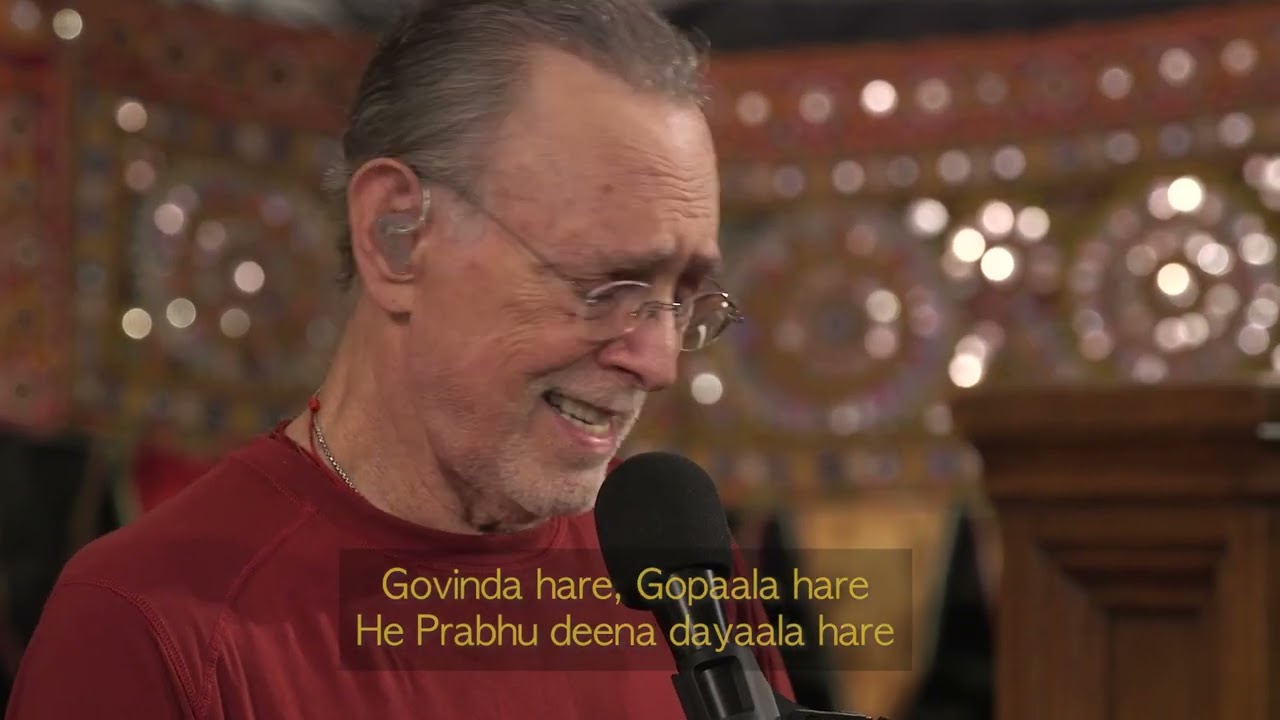
Krishna Das reminds us that "In the heart, the singing never stops," a profound assertion that speaks to the ceaseless nature of devotion and the inner life. This quote encapsulates the essence of bhakti, the path of love and devotion, suggesting that within each of us lies an unending song of connection to the divine. The stakes are high: recognizing this inner melody can transform our understanding of ourselves and our relationship with the world around us, inviting us to engage with life from a place of deep, abiding joy.
To delve deeper, we must consider what it means for this singing to persist in the heart. It implies a state of being that transcends the chaos of daily life, a reminder that amidst our struggles and distractions, there exists a core of harmony and peace. This inner song is not merely a metaphor but a lived experience, one that can guide us through the tumult of existence and into a more profound connection with our true selves and the universe.
The image / the metaphor
The imagery of singing in the heart evokes a sense of warmth and vitality, suggesting that our innermost essence is alive with sound and rhythm. The choice of the word "singing" implies joy, creativity, and expression, while "heart" signifies the center of our emotional and spiritual being. This combination invites us to visualize a vibrant, pulsating energy that is always present, even when we are unaware of it. It speaks to the idea that our true nature is one of love and resonance, a melody that plays continuously, regardless of external circumstances.
Diving deeper into the metaphor, we can see that this singing represents not just personal joy but also a universal connection to the divine. It suggests that the heart is a vessel through which the divine expresses itself, and the song is a manifestation of that relationship. In this sense, the singing is both personal and collective, a reminder that we are part of a larger tapestry of existence where each note contributes to the symphony of life. This understanding can inspire us to listen more closely to our inner voice and to the voices of others, recognizing that we are all part of the same divine chorus.
In the speaker's tradition
Krishna Das, rooted in the bhakti tradition, emphasizes the importance of devotion and surrender to the divine. Bhakti, which translates to "devotion," is a path that encourages practitioners to cultivate a loving relationship with God, often expressed through chanting and singing. This practice aligns with concepts such as dharma, the moral order of the universe, and kenosis, the self-emptying of one's ego to allow for divine presence. In bhakti, the heart's singing symbolizes the soul's longing for union with the divine, a theme echoed throughout the tradition.
In texts such as the Bhagavad Gita, we find similar sentiments expressed through the idea of surrendering to a higher power. The Gita teaches that by dedicating our actions to the divine, we can experience a profound sense of peace and fulfillment. This aligns with Krishna Das's assertion that the heart's song is ever-present; it is through devotion and surrender that we can access this inner melody, allowing it to guide our lives and actions.
Living the teaching
Consider a modern scenario where this teaching resonates: a busy professional feeling overwhelmed by the demands of work and life. In such moments, the heart's song may feel muted, drowned out by stress and anxiety. However, by taking a few moments to pause, breathe, and engage in chanting or meditation, one can reconnect with that inner melody. This practice serves as a reminder that the singing never truly stops; it is merely waiting for us to tune in and listen.
In relationships, this teaching can manifest during conflicts or misunderstandings. When tensions rise, it is easy to forget the underlying love that binds us. By remembering that the heart's song is always present, we can approach difficult conversations with compassion and understanding, allowing the melody of love to guide our words and actions. This shift in perspective can transform our interactions, fostering deeper connections and healing within our relationships.
A reflection
As we contemplate Krishna Das's words, we are invited to ask ourselves: What does it mean for me to listen to the song of my heart? This question encourages introspection and invites us to explore the ways in which we can cultivate a deeper awareness of our inner lives. By engaging with this inquiry, we can begin to uncover the layers of our own heart's melody, discovering the unique notes that contribute to the symphony of our existence.