The Melodic Path to Self-Transcendence
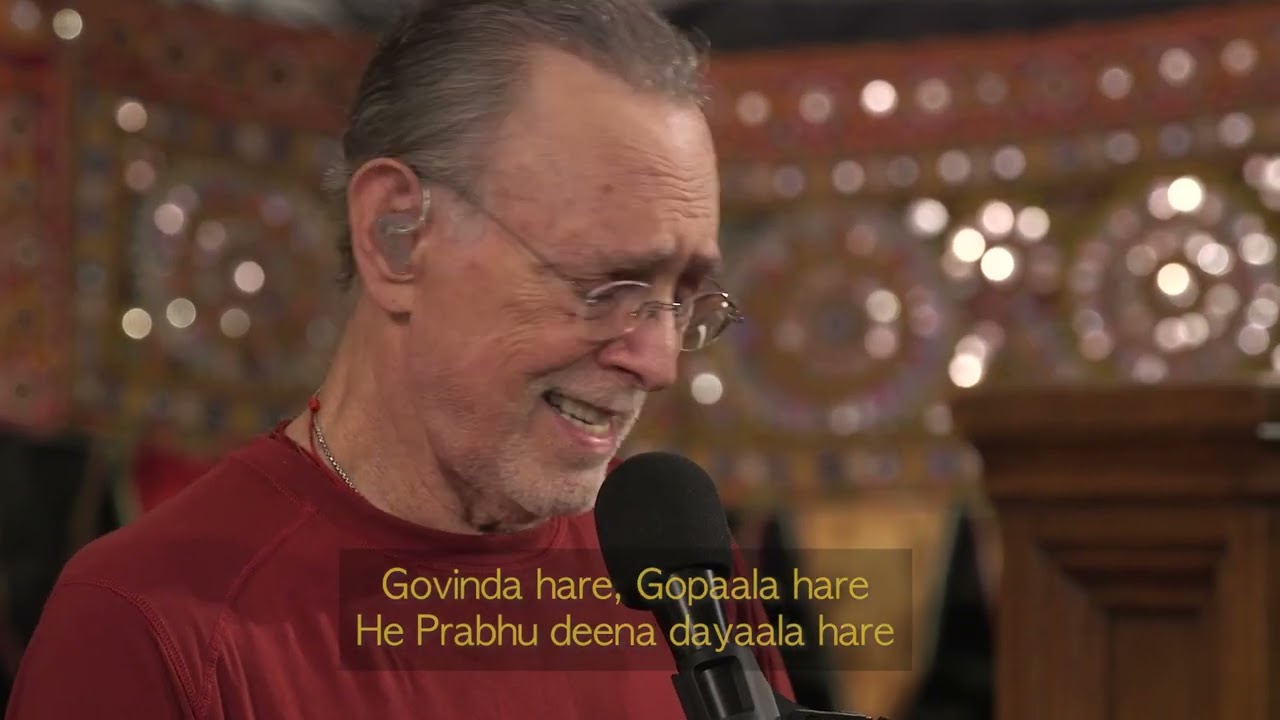
In the words of Krishna Das, "In the singing, the seeker dissolves." This poignant statement encapsulates the transformative power of chanting within the bhakti tradition, suggesting that through the act of singing, the individual self can dissolve into a greater, universal consciousness. This dissolution is not merely a loss of identity; rather, it is an invitation to transcend the ego and experience a profound connection with the divine. Understanding this quote invites us to explore the depths of our own spiritual journeys and the ways in which we can cultivate a deeper sense of unity with the world around us.
As we delve deeper into this quote, we recognize that the act of singing serves as both a practice and a pathway. It is a means of expressing devotion, a way to articulate the inexpressible, and a vehicle for surrendering the self. In a world often characterized by fragmentation and disconnection, the act of chanting becomes a sacred ritual that allows us to return to our essence. By engaging in this practice, we not only honor our own spiritual quests but also participate in a timeless tradition that has the potential to awaken the heart and mind.
The image / the metaphor
The imagery in Krishna Das's quote evokes a sense of fluidity and transformation. The word "singing" suggests an active engagement, a vibrant expression of the soul, while "the seeker" implies a journey, a quest for understanding and connection. The verb "dissolves" carries with it a sense of letting go, of relinquishing the tightly held constructs of the self. This dissolution is not a negation of existence but rather a merging with something greater, a return to the source from which we all arise.
Diving deeper into the metaphor, we can see that the act of singing becomes a bridge between the individual and the divine. It is through the vibrations of sound that the seeker can transcend the limitations of the ego, allowing for a moment of pure presence. In this state, the boundaries that separate us from one another and from the divine begin to blur, revealing the interconnectedness of all beings. The act of chanting thus becomes a sacred alchemy, transforming the seeker’s experience from one of isolation to one of unity.
In the speaker's tradition
Krishna Das, rooted in the bhakti tradition, draws upon the rich tapestry of devotional practices that emphasize love and surrender to the divine. Bhakti, which translates to devotion, invites practitioners to cultivate a relationship with the divine through acts of love, service, and surrender. This dissolution of the self can be likened to the concept of "kenosis," or self-emptying, found in various spiritual traditions, where the seeker relinquishes their ego to make space for divine presence. In bhakti, this process is often accompanied by the cultivation of "prajna," or wisdom, which arises from the deep understanding of our interconnectedness.
A relevant text that echoes this sentiment is the "Bhagavad Gita," where the idea of surrendering to the divine will is central to the path of yoga. In Chapter 18, Krishna advises Arjuna to abandon all forms of religious duties and simply surrender to Him, promising liberation from all sins. This teaching resonates with the essence of Krishna Das's quote, emphasizing that true liberation comes not from clinging to the self, but from the act of surrendering to the divine through devotion and love.
Living the teaching
Consider a modern scenario where the teaching of dissolution through singing can be applied: imagine a person navigating the stresses of daily life, feeling overwhelmed by responsibilities and expectations. In such moments, engaging in a practice of chanting can serve as a refuge, a space to reconnect with the heart. As they sing, they may find that the burdens of their individual concerns begin to fade, allowing for a sense of peace and clarity to emerge. This practice not only alleviates stress but also fosters a deeper connection to the divine and to the community of fellow seekers.
Another application of this teaching can be found in relationships, particularly during moments of conflict or misunderstanding. When tensions arise, the act of singing together—whether through a shared mantra or a simple song—can create a space for vulnerability and connection. In this shared experience, both individuals may find themselves dissolving their egos, allowing for empathy and understanding to flourish. By embracing the spirit of bhakti in our interactions, we can transform challenging moments into opportunities for deeper connection and love.
A reflection
As we contemplate Krishna Das's profound statement, we are invited to reflect on our own experiences of dissolution. In what ways have we allowed ourselves to dissolve into something greater, whether through the act of singing, meditative practices, or moments of deep connection with others? This contemplation encourages us to explore the spaces in our lives where we can surrender the self and embrace the unity that lies beneath the surface of our individual identities. How might we cultivate this practice of dissolution in our daily lives, allowing the song of our hearts to resonate with the divine?