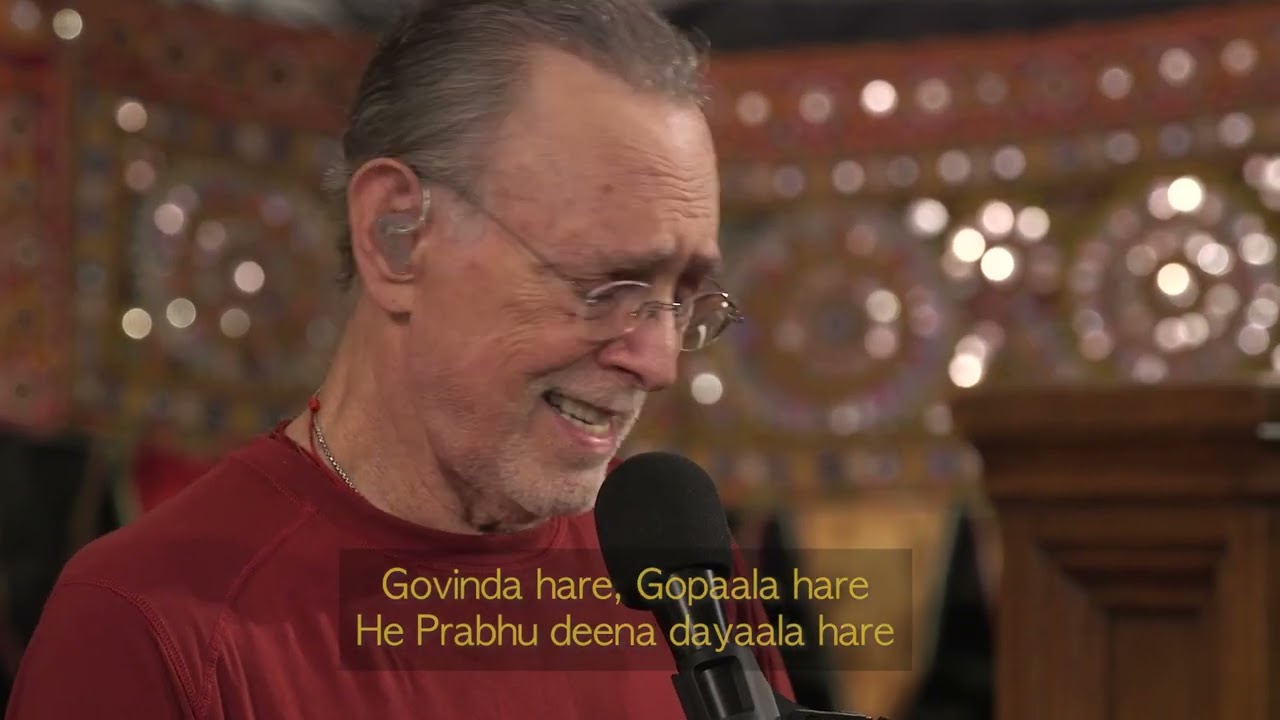
The Heart's Song: A Journey into Devotion
“Just keep singing. Just keep coming back to the heart.” In these simple yet profound words, Krishna Das invites us to embrace the practice of devotion through the act of chanting, suggesting that the heart is a sanctuary to which we can always return. This call to action resonates deeply in a world often filled with distractions and dissonance, reminding us that amidst the chaos of life, there exists a melody that can guide us back to our true selves. The stakes are high; in a society that often prioritizes the mind over the heart, this quote serves as a gentle nudge toward a more authentic existence.
At its core, this quote encapsulates the essence of bhakti, the path of devotion that transcends mere ritual and enters the realm of heartfelt connection. The act of singing, or chanting, becomes a vehicle for transformation, allowing us to align with our innermost feelings and the divine presence that resides within. By returning to the heart, we are reminded of the importance of emotional honesty and vulnerability, which can lead to profound healing and connection with ourselves and others. This journey back to the heart is not merely a return; it is an awakening to the deeper truths of our existence.
The image / the metaphor
The imagery in Krishna Das's quote evokes a sense of simplicity and continuity. The act of singing suggests a rhythmic, flowing movement, a practice that can be repeated endlessly. The verbs “keep singing” and “keep coming back” imply a dynamic process, one that requires persistence and dedication. This is not a one-time event but a lifelong journey, where each note sung is a step taken toward the heart. The heart itself symbolizes the core of our being, a place of love, compassion, and authenticity, where we can find solace and strength.
Diving deeper into the metaphor, we can see that singing represents more than just vocal expression; it embodies the essence of our spiritual practice. It is an invitation to engage with the divine through sound, a medium that transcends language and cultural barriers. The heart, in this context, becomes a sacred space where the noise of the world fades away, allowing us to listen to the whispers of our soul. This interplay between singing and the heart suggests that our spiritual journey is not solely about reaching a destination but about the ongoing process of returning to our true nature.
In the speaker's tradition
Krishna Das, a prominent figure in the bhakti tradition, emphasizes the importance of devotion as a means of connecting with the divine. In bhakti, the heart is central to the practice, as it is through love and devotion that we cultivate a relationship with the divine. Concepts such as dharma, or righteous duty, and prajna, or wisdom, intertwine with the act of chanting, creating a holistic approach to spiritual growth. The practice of bhakti encourages us to surrender our ego and open ourselves to the transformative power of love, which is beautifully encapsulated in the act of singing.
In the context of bhakti literature, we can draw parallels to the teachings found in the *Bhagavad Gita*, where the importance of devotion and surrender is emphasized. Krishna, as the divine guide, encourages Arjuna to embrace his true self through the practice of yoga, which can be seen as a form of singing one's own song. This connection between the heart and the divine is a recurring theme in bhakti texts, highlighting the significance of returning to our essence through love and devotion.
Living the teaching
Consider a modern scenario where the teaching of “just keep singing” can be applied: a busy professional grappling with the demands of work and personal life. Amidst the stress and chaos, taking a moment to engage in a simple practice of chanting can serve as a powerful reminder to return to the heart. This practice not only provides a respite from the noise but also reconnects the individual with their inner joy and purpose. By integrating this practice into daily life, one can cultivate a sense of peace and clarity, allowing the heart's song to guide their actions.
Another application of this teaching can be found in relationships, particularly during challenging moments. When conflicts arise, it can be easy to become entrenched in misunderstandings and emotional turmoil. By “coming back to the heart,” individuals can choose to approach the situation with love and compassion, rather than defensiveness. This shift in perspective allows for deeper connection and understanding, transforming potential discord into an opportunity for growth and healing. In this way, the practice of returning to the heart becomes a vital tool for nurturing relationships and fostering harmony.
A reflection
As we contemplate Krishna Das's invitation to “just keep singing” and “just keep coming back to the heart,” we are called to reflect on our own lives. What does it mean for us to return to the heart in moments of difficulty or distraction? In what ways can we integrate the practice of chanting or other forms of expression into our daily routines to foster a deeper connection with ourselves and the world around us? Allow these questions to resonate within you, guiding you toward a more authentic and heartfelt existence.