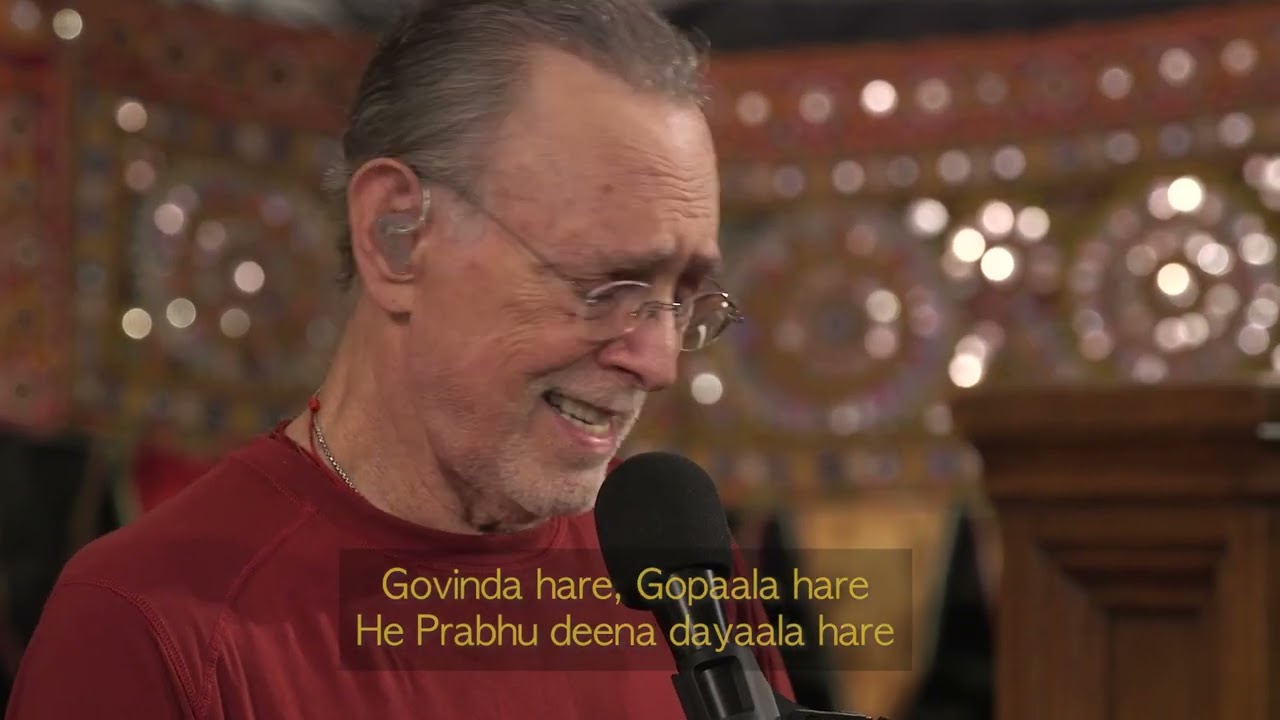
In the simple yet profound words of Krishna Das, "My job is just to keep singing," we find an invitation to embrace the essence of our spiritual practice. This statement encapsulates the heart of bhakti, or devotional practice, where the act of singing becomes a sacred duty and a pathway to connection with the divine. In a world often filled with distractions and demands, this reminder to focus on the act of singing—of devotion—challenges us to prioritize our spiritual lives amidst the chaos of daily existence.
Krishna Das, a modern-day practitioner of bhakti, emphasizes the importance of commitment to one's spiritual path through the act of chanting. This quote serves as a gentle nudge to recognize that our primary responsibility is not to achieve perfection or to attain lofty spiritual goals, but rather to engage wholeheartedly in the practice itself. By keeping our focus on the act of singing, we cultivate a sense of presence and surrender that can transform our lives and deepen our connection to the divine.
The image / the metaphor
The imagery in Krishna Das's quote evokes a sense of simplicity and clarity. The word "singing" conjures feelings of joy, expression, and connection, suggesting that our spiritual practice is not merely a task to be completed but a vibrant expression of our inner selves. The use of the word "job" implies a sense of duty, yet it is a duty that is infused with love and devotion. This juxtaposition of obligation and joy highlights the dual nature of spiritual practice: it is both a commitment and a celebration.
Diving deeper into the metaphor, we can see that "singing" represents more than just vocal expression; it symbolizes the act of devotion itself. In bhakti, singing becomes a means of surrendering the ego and opening oneself to the divine presence. It is an invitation to let go of the burdens we carry and to immerse ourselves in the flow of love and grace. By focusing on the act of singing, we are reminded that our spiritual journey is not about striving for an end goal, but about the beauty of the journey itself.
In the speaker's tradition
Krishna Das's teachings are deeply rooted in the tradition of bhakti, which emphasizes love and devotion as the primary means of connecting with the divine. This tradition encourages practitioners to cultivate a sense of surrender, or kenosis, where one relinquishes the ego and opens to the divine will. In this context, singing becomes a form of devotion that transcends the self, allowing the practitioner to experience a state of sunyata, or emptiness, where the boundaries of the self dissolve into the vastness of the divine.
In the Bhagavad Gita, a foundational text in the bhakti tradition, Lord Krishna speaks of the importance of devotion and surrender. He encourages Arjuna to perform his duty without attachment to the fruits of his actions, echoing the sentiment found in Krishna Das's quote. By focusing on the act of singing—of devotion—we align ourselves with the teachings of the Gita, recognizing that our true job is to engage wholeheartedly in our spiritual practice, regardless of the outcomes.
Living the teaching
Imagine a busy morning where the demands of work and family pull you in multiple directions. In this scenario, the teaching of Krishna Das invites you to pause and engage in a moment of singing, whether through a chant, a hymn, or simply expressing gratitude. This act of singing can serve as a grounding force, reminding you of your connection to something greater than yourself. By prioritizing this moment of devotion, you create space for peace and clarity amidst the chaos of daily life.
In a different context, consider a challenging relationship where misunderstandings and conflicts arise. Here, the practice of singing can transform the dynamic. By approaching the situation with a heart full of devotion—perhaps through a mantra or a prayer—you invite a sense of compassion and understanding into the interaction. This practice encourages you to respond with love rather than react with frustration, embodying the essence of bhakti in your relationships and daily encounters.
A reflection
As we reflect on Krishna Das's poignant reminder, "My job is just to keep singing," we are invited to consider our own spiritual practices and commitments. What does it mean for you to keep singing in your life? In what ways can you prioritize your spiritual practice amidst the demands of daily existence? Allow this contemplation to guide you toward a deeper understanding of your own journey and the ways in which you can embody the spirit of devotion in every moment.