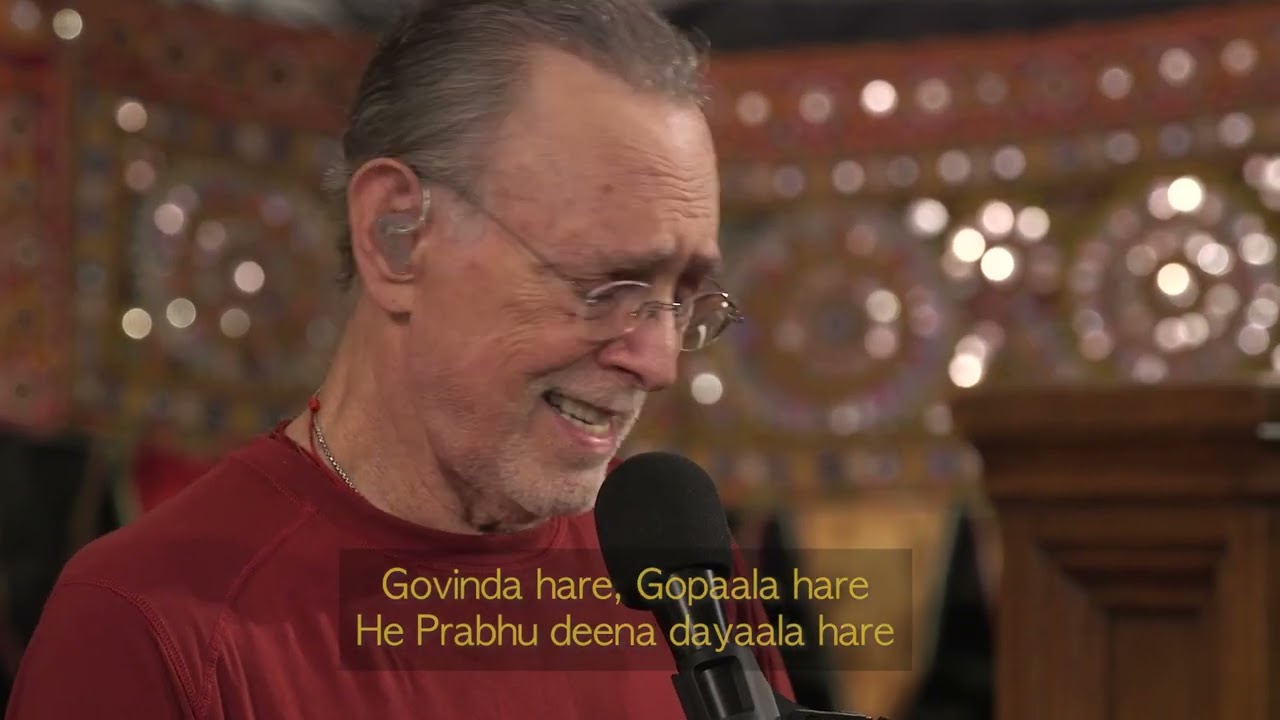
The Heart's Song: Turning Toward the Divine
In the words of Krishna Das, "Singing the Name turns the heart toward God." This profound statement encapsulates the transformative power of chanting within the bhakti tradition, suggesting that the act of vocalizing the divine name can redirect our innermost feelings and intentions toward a higher spiritual reality. The stakes are high; in a world often filled with distractions and disconnection, this practice offers a pathway to reconnect with the essence of our being and the divine presence that permeates all existence.
To deepen our understanding, we must consider the implications of "turning the heart." This phrase suggests an active engagement, a deliberate choice to shift our focus from the mundane to the sacred. In a culture that often prioritizes the intellect over the heart, Krishna Das invites us to embrace a more holistic approach to spirituality, one that recognizes the heart as a vital center of wisdom and connection. By singing the Name, we are not merely uttering words; we are participating in a sacred dialogue that has the potential to awaken our deepest longings and align us with the divine flow of life.
The image / the metaphor
The imagery in Krishna Das's quote is rich and evocative. "Singing the Name" conjures a sense of joy and celebration, suggesting that the act of vocalizing the divine name is not a chore but a heartfelt expression of devotion. The verb "turns" implies movement and transformation, indicating that our hearts, often weighed down by the burdens of daily life, can be lifted and redirected toward a higher purpose through the simple yet profound act of chanting. This movement is not just physical; it is a spiritual reorientation that invites us to experience the divine presence in our lives.
Diving deeper into the metaphor, we can see that "the heart" represents our innermost self, the seat of our emotions, desires, and spiritual aspirations. When we sing the Name, we engage in a practice that transcends mere words; we are invoking a presence that resonates with our deepest yearnings. This act of turning the heart is akin to a compass realigning itself toward true north, guiding us back to our authentic selves and the divine love that underlies all creation. In this way, chanting becomes a transformative practice that not only connects us to God but also to our true nature.
In the speaker's tradition
Krishna Das, a prominent figure in the bhakti tradition, draws upon a rich tapestry of spiritual concepts that illuminate the significance of his quote. Bhakti, or devotion, emphasizes the importance of love and surrender to the divine, often expressed through practices such as chanting and singing. This tradition teaches that through devotion, we can experience a state of kenosis, or self-emptying, allowing us to become vessels for divine love. The act of singing the Name is a manifestation of this devotion, a way to cultivate a heart that is open and receptive to the divine presence.
In the context of bhakti literature, we can find parallels in texts such as the "Bhagavad Gita," where the importance of surrendering to God is emphasized. In Chapter 18, verse 66, Krishna advises Arjuna to abandon all varieties of religion and simply surrender unto Him. This echoes the sentiment of Krishna Das's quote, as both highlight the necessity of turning our hearts toward the divine through acts of devotion. By singing the Name, we are engaging in a practice that aligns with the teachings of the Gita, fostering a deep connection with the divine that transcends the limitations of the ego.
Living the teaching
Consider a modern scenario where this teaching can be applied: imagine a busy professional, overwhelmed by the demands of work and life, feeling disconnected from their sense of purpose. In such moments, the practice of chanting can serve as a powerful antidote. By taking a few moments each day to sing the Name, this individual can create a sacred space that allows them to pause, breathe, and reconnect with their heart's true desire. This simple act can transform their perspective, helping them to navigate challenges with a renewed sense of clarity and purpose.
Another application of this teaching might arise in the context of relationships. Picture a couple facing a difficult moment, perhaps a disagreement that has led to feelings of resentment and distance. By engaging in a shared practice of chanting, they can create an atmosphere of openness and vulnerability, allowing their hearts to turn toward one another and the divine. This practice can serve as a reminder of their shared commitment to love and understanding, fostering healing and connection in the midst of conflict. In both scenarios, the act of singing the Name becomes a bridge that reconnects individuals with themselves, each other, and the divine.
A reflection
As we contemplate Krishna Das's profound statement, we are invited to explore the ways in which we can turn our hearts toward God in our daily lives. What practices can we incorporate to help us remember our connection to the divine? In moments of distraction or disconnection, how might we use the power of chanting to realign ourselves with our true purpose? These questions encourage us to reflect on our spiritual journey and the transformative potential of turning our hearts toward the divine through the simple yet profound act of singing the Name.