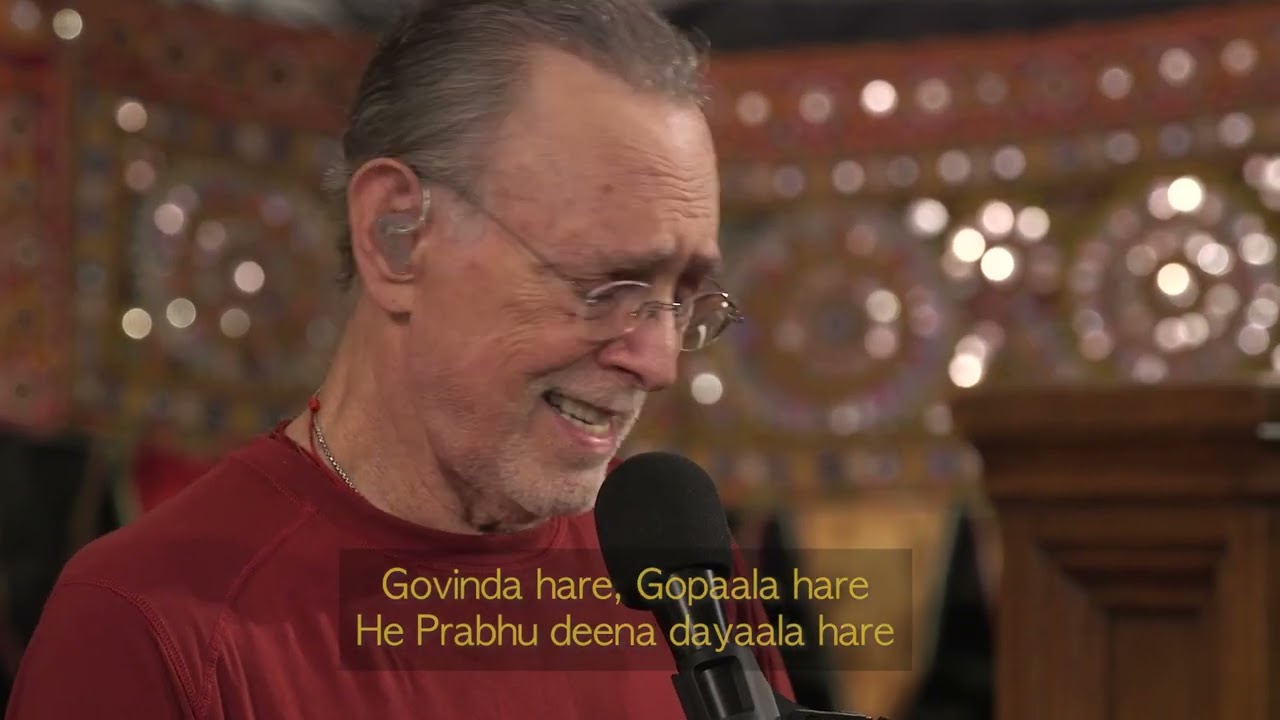
In the words of Krishna Das, "The Name is the doorway to the divine." This profound statement invites us to consider the significance of names, particularly in the context of spiritual practice and devotion. Names, in this sense, are not mere labels; they serve as portals through which we can access deeper realms of existence and connection with the divine. Understanding this concept can transform our spiritual journey, offering a pathway to greater intimacy with the sacred.
As we delve into this quote, we uncover layers of meaning that resonate within the heart of bhakti, the devotional tradition that Krishna Das embodies. The notion of the name as a doorway suggests that there is an inherent power in sound and intention, a vibrational essence that can bridge the gap between the mundane and the divine. This exploration is not just an intellectual exercise; it is an invitation to experience the divine presence in our lives through the invocation of sacred names.
The image / the metaphor
At its core, the imagery of a "doorway" evokes a sense of transition and threshold. A doorway signifies a passage from one space to another, suggesting that the act of naming is a transformative experience. The verb "is" implies a state of being, indicating that the name itself holds intrinsic value and power. This metaphor invites us to envision the name as a tangible entry point, a sacred space where we can encounter the divine essence that permeates all existence.
Diving deeper into the metaphor, we can see that a doorway also implies choice and agency. We stand before it, faced with the decision to enter or remain outside. In this context, the name becomes an invitation to engage with the divine, to step into a realm of love, compassion, and unity. The act of calling upon a name—whether it be a mantra, a deity, or a personal invocation—serves as a reminder of our inherent connection to something greater than ourselves, urging us to cross the threshold into a deeper understanding of our spiritual nature.
In the speaker's tradition
Krishna Das's teachings are deeply rooted in the bhakti tradition, which emphasizes devotion and love for the divine. In this context, the name is not simply a word; it embodies the essence of the divine itself. Concepts such as dharma, the moral order of the universe, and bhakti, the path of devotion, are interwoven with the understanding that the name carries the power to align us with our true purpose. This alignment is akin to the practice of kenosis, the self-emptying that allows us to be filled with divine presence.
In the Bhagavad Gita, the sacred text that serves as a cornerstone of Hindu philosophy, we find references to the power of names and mantras. The verse "Whatever you do, do it as an offering to Me" (Bhagavad Gita 3:19) echoes the sentiment that our actions, when infused with intention and devotion, can lead us to the divine. Just as the name serves as a doorway, our actions become expressions of our spiritual journey, guiding us toward a deeper understanding of our relationship with the divine.
Living the teaching
Consider a modern scenario where this teaching can be applied: a moment of stress in daily life. Perhaps you find yourself overwhelmed by the demands of work or personal obligations. In such moments, invoking a sacred name—whether through chanting, prayer, or silent meditation—can serve as a grounding practice. This simple act can create a space of stillness, allowing you to reconnect with your inner self and the divine, transforming your experience from chaos to calm.
Another application of this teaching can be found in relationships, particularly during challenging interactions. When faced with conflict or misunderstanding, calling upon a name that resonates with love and compassion can shift your perspective. This practice encourages you to approach the situation with a heart open to understanding and forgiveness, reminding you that the divine presence is always accessible, even in the most difficult moments. By embodying the essence of the name, you can foster healing and connection in your relationships.
A reflection
As we contemplate the depth of Krishna Das's quote, we are invited to reflect on our own relationship with the names we hold sacred. What names resonate with you, and how do they serve as doorways to the divine in your life? Consider the ways in which invoking these names can transform your experiences, guiding you toward a greater sense of connection and purpose. In this exploration, may you find the courage to step through the doorway and embrace the divine presence that awaits you.