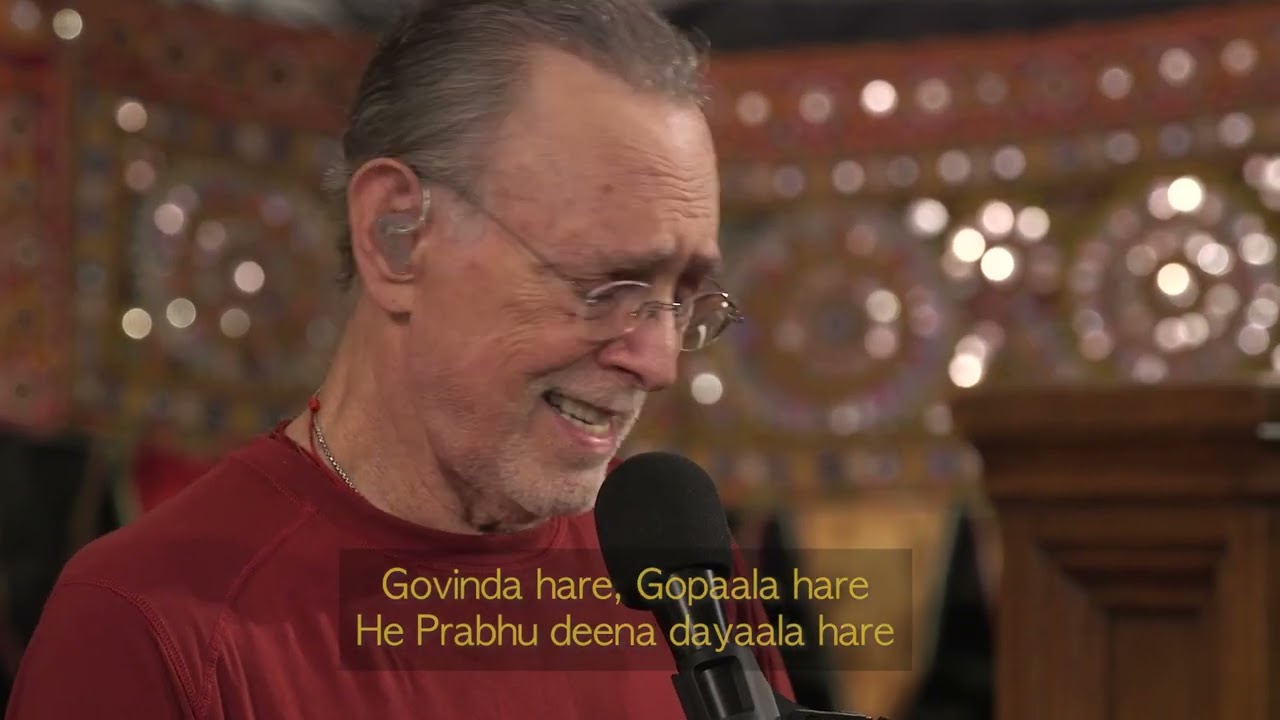
Krishna Das invites us to consider the profound act of chanting as a means of infusing love into the fabric of our existence. When he states, "To chant is to weave love into the world," he highlights the transformative power of sound and intention. This assertion is not merely poetic; it speaks to the heart of our interconnectedness and the potential for love to manifest in tangible ways. In a world often fraught with division and strife, this message resonates deeply, reminding us of our capacity to create harmony through our voices and intentions.
Chanting, in this context, transcends mere vocalization; it becomes a sacred practice that aligns us with the divine and with one another. By engaging in this rhythmic expression, we participate in a collective act of devotion that reverberates beyond the individual. The act of weaving suggests a deliberate and thoughtful process, one that requires both skill and intention. As we chant, we are not only expressing our love but also actively crafting a world that reflects that love, inviting others to join in this sacred tapestry of existence.
The image / the metaphor
The imagery of weaving evokes a sense of artistry and craftsmanship, suggesting that love is not a passive emotion but an active force that requires our participation. To chant is to engage in a rhythmic dance of sound, where each note and syllable becomes a thread in a larger design. The choice of the verb "weave" implies a careful interlacing of intentions, emotions, and energies, creating a rich tapestry that envelops both the chanter and the listener. This metaphor invites us to visualize our contributions to the world as interconnected strands, each one vital to the overall beauty and integrity of the whole.
Diving deeper into this metaphor, we can see that weaving also implies a sense of community and collaboration. Just as a tapestry is often created by many hands, the act of chanting can unite individuals in a shared purpose. Each voice adds its unique texture, creating a harmonious blend that transcends individual differences. In this way, chanting becomes a communal act of love, a way to collectively manifest the divine presence in our lives and in the world around us.
In the speaker's tradition
Krishna Das, rooted in the bhakti tradition, emphasizes the importance of devotion and love as pathways to spiritual realization. Bhakti, which translates to "devotion," is characterized by a deep, personal connection to the divine, often expressed through practices such as chanting, singing, and prayer. This tradition teaches that through acts of devotion, we can cultivate a sense of surrender and openness, allowing love to flow freely within us and into the world. Concepts such as dharma, or righteous duty, and prajna, or wisdom, further enrich this understanding, suggesting that our actions in the world should be guided by love and compassion.
A relevant text that echoes this sentiment is the "Bhagavad Gita," where the idea of selfless action is central. In Chapter 3, Krishna speaks of performing one's duty without attachment to the fruits of the action, which aligns beautifully with the notion of chanting as a selfless act of love. By focusing on the act of weaving love through our chants, we align ourselves with a higher purpose, transcending personal desires and contributing to the greater good.
Living the teaching
Consider a modern scenario where this teaching can take root: a community gathering where individuals come together to chant. In such a space, the act of chanting becomes a collective expression of love, fostering connection among participants. Each person, regardless of their background or beliefs, contributes to the shared experience, creating a sense of belonging and unity. This communal act of weaving love into the world can transform not only the individuals present but also the wider community, as the vibrations of their collective voices ripple outward.
In a more personal context, imagine a moment of conflict in a relationship. Instead of reacting with frustration or anger, one might choose to pause and engage in a practice of chanting, either alone or with their partner. This act can serve as a reminder of the love that underlies their connection, helping to dissolve tension and foster understanding. By weaving love into the fabric of their interaction, they create a space for healing and reconciliation, demonstrating the power of chanting as a tool for transformation in everyday life.
A reflection
As we contemplate Krishna Das's assertion that "to chant is to weave love into the world," we are invited to reflect on our own practices and intentions. How can we incorporate the act of chanting, or similar expressions of love, into our daily lives? In what ways can we consciously weave love into our interactions, our communities, and our personal journeys? These questions encourage us to explore the depth of our connections and the impact of our intentions, inviting us to become active participants in the creation of a more loving world.