The Power of Remembrance: A Journey Through Name and Essence
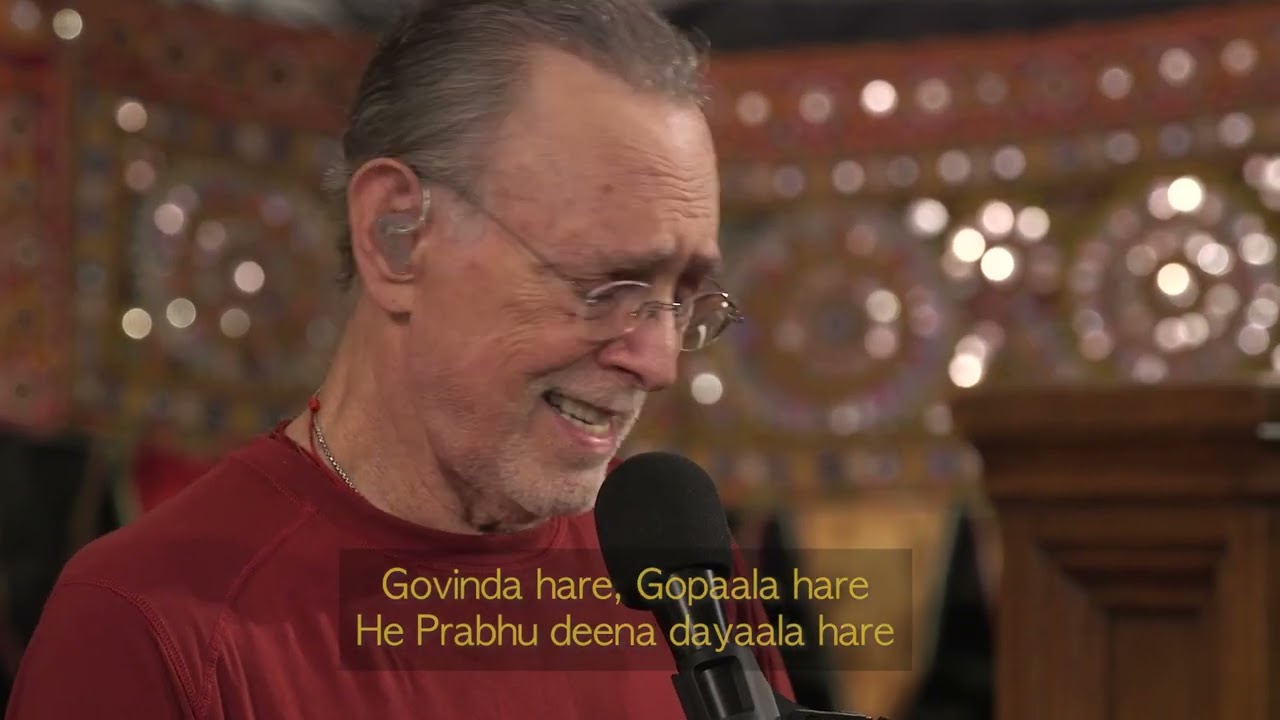
Krishna Das's profound assertion, "To remember the Name is to remember everything," invites us into a contemplative space where the act of remembrance transcends mere recollection. It suggests that the Name, often understood as a divine or sacred utterance, serves as a portal to a deeper understanding of existence itself. This idea holds significant weight in our fast-paced lives, where distractions abound and the essence of our being can feel obscured. By engaging with the Name, we are called to reconnect with the fundamental truths of our lives and the universe.
Delving deeper, this quote beckons us to explore the relationship between identity and remembrance. In many spiritual traditions, the Name is not just a label; it embodies the essence of the divine and the interconnectedness of all things. To remember the Name is to engage in a practice that can illuminate our path, revealing the intricate tapestry of existence that we often overlook. This act of remembrance becomes a transformative journey, allowing us to navigate the complexities of life with greater clarity and purpose.
The image / the metaphor
The imagery within Krishna Das's quote evokes a sense of unity and wholeness. The verb "remember" suggests an active engagement, a conscious effort to bring forth something that may have been forgotten or obscured. This act is not passive; it requires intention and devotion. The Name, in this context, serves as a touchstone, a reminder of our true nature and the interconnectedness of all beings. It is as if the Name acts as a thread that weaves through the fabric of our lives, connecting us to the divine and to each other.
In the speaker's tradition
Krishna Das, rooted in the bhakti tradition, emphasizes the importance of devotion and love for the divine. Bhakti, which translates to "devotion," is a path that encourages practitioners to cultivate a personal relationship with the divine through acts of love and remembrance. Concepts such as dharma, or righteous living, and prajna, or wisdom, are integral to this journey. In this context, the act of remembering the Name becomes a practice of aligning oneself with one's true purpose and the greater cosmic order.
To further illustrate this, we can reference the Bhagavad Gita, where Krishna speaks of the importance of devotion and remembrance in achieving liberation. In Chapter 9, Verse 22, he assures Arjuna that those who are devoted to him and remember him with love will have their needs met. This reinforces the idea that remembrance is not merely a mental exercise but a heartfelt connection that nourishes the soul and guides us toward enlightenment.
Living the teaching
In our modern lives, the teaching of remembering the Name can manifest in various ways. Consider a busy professional who feels overwhelmed by the demands of work and life. By incorporating a simple practice of chanting or meditating on the Name during moments of stress, this individual can create a sanctuary of peace amidst chaos. This act of remembrance serves as a reminder of their true self, allowing them to navigate challenges with a sense of calm and clarity.
Moreover, this teaching can also be applied in relationships. Imagine a couple facing difficulties in communication. By consciously invoking the Name together, they can cultivate a shared space of love and understanding, reminding themselves of their commitment to one another. This practice of remembrance can help dissolve misunderstandings and foster a deeper connection, illustrating how the Name can serve as a bridge between individuals, facilitating healing and unity.
A reflection
As we contemplate Krishna Das's quote, we are invited to explore the nature of our own remembrance. What does it mean for us to remember the Name in our daily lives? How can this practice transform our understanding of ourselves and our relationships with others? In this moment of reflection, consider the ways in which you might deepen your connection to the Name and, in turn, to everything that it represents. What steps can you take to weave this practice into the fabric of your existence?