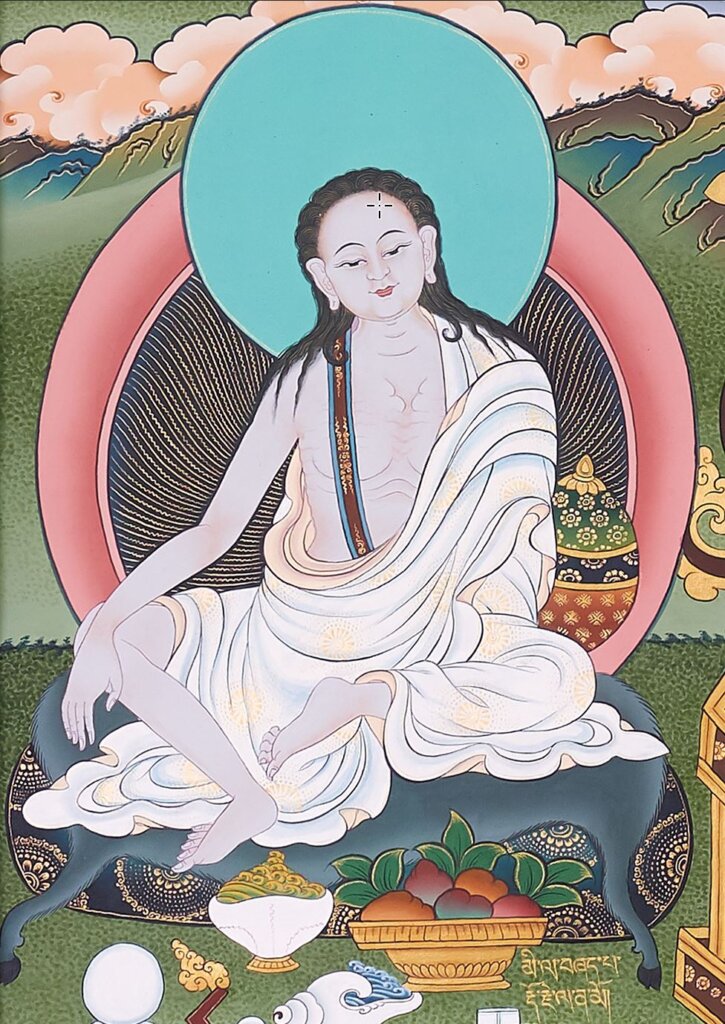
Milarepa's assertion that "All that we call 'I' is a temporary gathering of conditions" invites us to reconsider the very essence of our identity. This profound statement challenges the notion of a fixed self, suggesting instead that our sense of 'I' is merely a transient collection of experiences, thoughts, and circumstances. Understanding this concept is crucial, as it opens the door to deeper insights about the nature of existence and the liberation that comes from recognizing the impermanence of our identities.
In a world that often emphasizes individualism and the permanence of personal identity, Milarepa's words serve as a gentle reminder of the fluidity of our existence. By acknowledging that our sense of self is contingent upon various conditions—such as our relationships, emotions, and societal influences—we can begin to cultivate a more profound awareness of our interconnectedness with all beings. This realization not only fosters compassion but also encourages us to let go of rigid attachments to our identities, allowing for a more authentic and liberated way of being.
The image / the metaphor
The imagery in Milarepa's quote evokes a sense of transience and interconnectedness. The phrase "temporary gathering of conditions" suggests that our identity is not a singular, unchanging entity but rather a dynamic assembly of various elements that come together for a time. This metaphor paints a picture of life as a flowing river, where the waters shift and change, reflecting the myriad influences that shape our experiences. The verbs chosen—'call' and 'gathering'—imply an active process, highlighting that our identities are constructed through perception and interaction rather than existing as fixed truths.
In the speaker's tradition
Milarepa's teachings are deeply rooted in the Buddhist tradition, particularly in the understanding of 'sunyata' or emptiness. This concept posits that all phenomena, including the self, lack inherent existence and are instead interdependent and transient. By recognizing that our sense of 'I' is a mere construct, we can begin to dissolve the barriers that separate us from others, fostering a sense of unity and compassion. This perspective aligns with the practice of 'kenosis,' or self-emptying, which encourages individuals to relinquish their attachments to ego and identity in pursuit of a deeper spiritual truth.
In the context of Milarepa's life, his journey from a life of suffering and vengeance to one of enlightenment exemplifies the transformative power of understanding non-self. His songs, such as those found in the "Songs of Milarepa," reflect his profound insights into the nature of existence and the importance of recognizing the impermanence of all things. By embracing the teachings of impermanence and non-self, we can cultivate a more profound sense of peace and liberation, echoing the wisdom found in the heart of Buddhist philosophy.
Living the teaching
Consider a modern scenario in which an individual grapples with the pressures of societal expectations and personal ambitions. In this context, the realization that "I" is merely a temporary gathering of conditions can be liberating. For instance, a young professional may feel overwhelmed by the need to define themselves through their job title or achievements. By reflecting on Milarepa's teaching, they can begin to see that their identity is not solely tied to their career but is instead a rich tapestry woven from various experiences, relationships, and aspirations. This understanding can alleviate the weight of self-imposed expectations and foster a more authentic engagement with life.
In relationships, the concept of non-self can also play a transformative role. When conflicts arise, individuals often cling to their identities and perspectives, leading to misunderstandings and resentment. However, by recognizing that their sense of self is fluid and shaped by numerous factors, they can approach disagreements with greater empathy and openness. This shift allows for deeper connections and a willingness to see the other person's viewpoint as part of the ever-changing landscape of their shared experience. In this way, Milarepa's wisdom encourages us to cultivate compassion and understanding, both for ourselves and for others.
A reflection
As we contemplate Milarepa's profound insight, we are invited to explore the nature of our own identities. What aspects of your sense of 'I' do you cling to, and how might these attachments limit your experience of life? Reflecting on this question can lead to a deeper understanding of the impermanence of self and the freedom that arises from embracing change. In this exploration, may we find the courage to let go of rigid identities and open ourselves to the vast potential of our interconnected existence.
