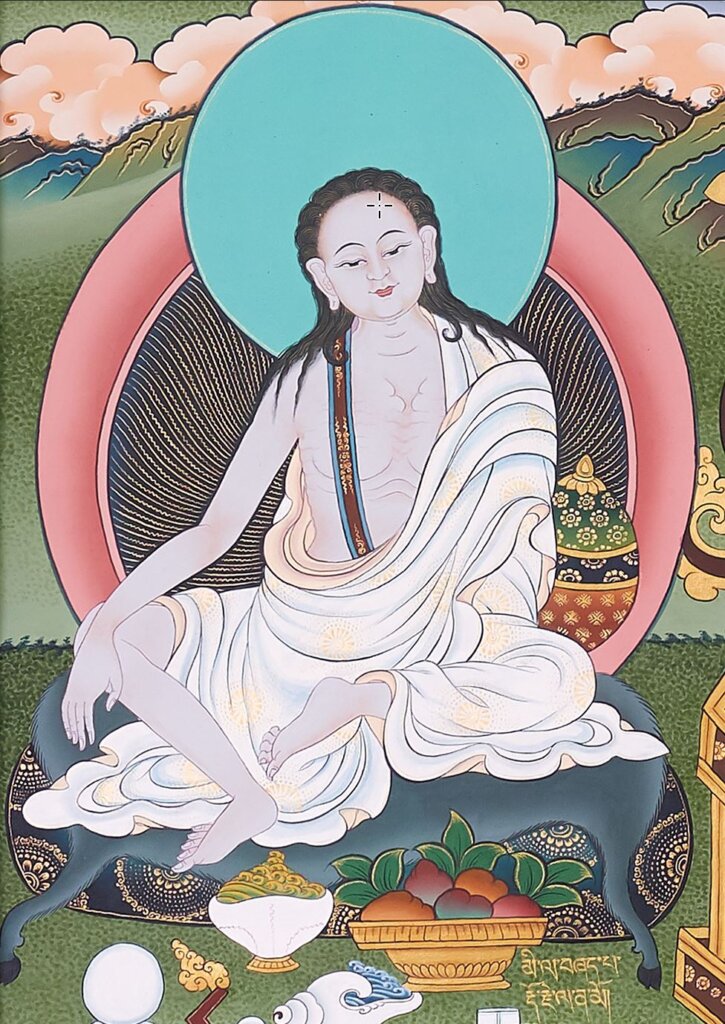
The Essence of Existence: Discovering Life's Highest Purpose
Milarepa's assertion, "And the highest purpose of life," invites us to reflect deeply on the essence of our existence and the motivations that drive our daily actions. This profound statement urges us to consider what it means to live with intention and clarity, transcending the mundane pursuits that often dominate our lives. In a world filled with distractions and superficial goals, understanding this highest purpose becomes essential for cultivating a meaningful life.
To grasp the weight of Milarepa's words, we must delve into the layers of meaning behind the concept of "highest purpose." This phrase suggests not merely a goal to be achieved but a fundamental orientation toward life itself. It calls us to examine our values, our relationships, and our inner landscapes, challenging us to align our actions with a deeper sense of fulfillment and connection to the world around us. In this exploration, we may uncover the transformative power of purpose as a guiding light in our journey.
The image / the metaphor
At first glance, Milarepa's quote evokes a sense of aspiration, as if it beckons us toward a distant summit, a pinnacle of existence that promises clarity and peace. The word "highest" conjures images of lofty mountains, where the air is thin and the view expansive, symbolizing the elevation of consciousness that comes from pursuing a profound purpose. The verb "to live" emphasizes action and engagement, suggesting that this purpose is not a passive state but an active journey that requires our full participation.
In the speaker's tradition
Milarepa, a revered figure in Tibetan Buddhism, embodies the principles of transformation and enlightenment that are central to this spiritual tradition. His life story is a testament to the power of dharma, the path of righteousness and truth, which he pursued with unwavering dedication. The concept of kenosis, or self-emptying, resonates deeply with Milarepa's teachings, as it emphasizes the need to let go of ego-driven desires in order to discover a higher purpose. This aligns with the Buddhist understanding of sunyata, or emptiness, which invites practitioners to transcend attachment and realize the interconnectedness of all beings.
In the context of Milarepa's teachings, we can also draw parallels to the notion of prajna, or wisdom, which is cultivated through direct experience and insight. His songs, rich with poetic imagery and profound truths, serve as a guide for those seeking to awaken to their highest potential. The Tibetan text "The Song of the Realized One" illustrates this journey, revealing how the pursuit of purpose can lead to liberation from suffering and the realization of one's true nature.
Living the teaching
Consider a modern scenario where the quest for purpose becomes palpable: a young professional grappling with the demands of a high-pressure job. Despite achieving external markers of success, such as promotions and accolades, they feel an underlying sense of discontent. In this context, Milarepa's teaching serves as a gentle reminder to pause and reflect on what truly matters. By reconnecting with their passions and values, they can begin to align their career choices with a deeper sense of purpose, transforming their work into a source of fulfillment rather than mere obligation.
In relationships, the concept of highest purpose can manifest in the way we engage with others. Imagine a couple facing challenges in their communication, feeling disconnected and frustrated. By embracing the idea of a shared purpose—such as nurturing love, understanding, and growth—they can shift their focus from blame to collaboration. This intentional approach fosters a deeper connection, allowing them to navigate difficulties with compassion and empathy, ultimately enriching their bond and aligning their lives with a higher purpose.
A reflection
As we contemplate Milarepa's profound assertion, we are invited to ask ourselves: What is my highest purpose in life? This question encourages us to explore the depths of our being, examining our motivations, aspirations, and the impact we wish to have on the world. In this inquiry, we may discover that the journey toward understanding our purpose is as significant as the destination itself, guiding us toward a life of authenticity and connection.
