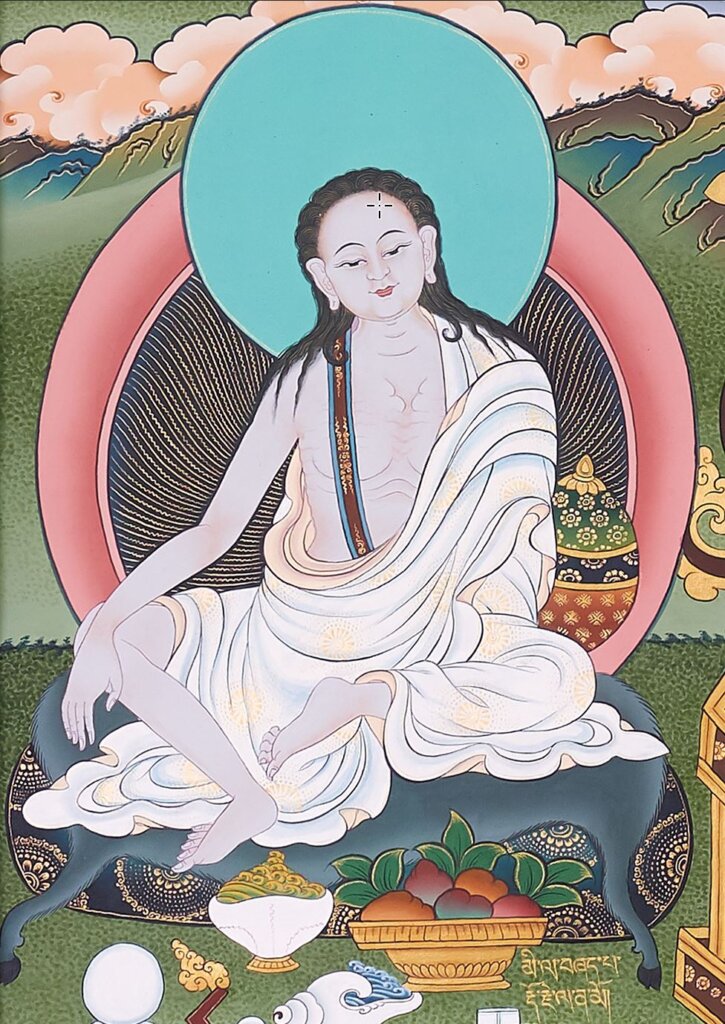
The Liberation of Non-Defense: Embracing Emptiness
Milarepa's profound assertion, "In the emptiness of self, who is there to defend?" invites us to explore the intricate relationship between selfhood and the instinct to protect our identities. At its core, this quote challenges the very foundation of our ego-driven defenses, suggesting that when we recognize the emptiness of the self, the need for defense dissipates. This contemplation is not merely philosophical; it holds transformative potential for how we navigate our lives and relationships.
In a world often characterized by conflict and the need for self-preservation, Milarepa's words resonate deeply. They urge us to examine the nature of our attachments and the identities we cling to. By delving into the concept of non-self, we can begin to understand how our defenses are often rooted in fear and misunderstanding. This exploration is not just an intellectual exercise; it is a path toward liberation, inviting us to let go of the burdens we carry and embrace a more profound sense of freedom.
The image / the metaphor
Milarepa's quote conjures a vivid image of emptiness, a space devoid of the self that typically demands protection. The word "emptiness" evokes a sense of vastness, a boundless expanse where the usual boundaries of identity dissolve. The choice of the verb "defend" suggests an active engagement, a struggle against perceived threats. In this context, the imagery becomes a powerful metaphor for the inner conflict we experience when we cling to our identities, as if they were solid and unassailable.
As we delve deeper into this metaphor, we begin to see that the act of defense is inherently tied to our sense of self. When we perceive ourselves as separate entities, we instinctively erect barriers to protect our vulnerabilities. However, in recognizing the emptiness of self, we can release these defenses, allowing for a more authentic engagement with the world. This shift transforms our understanding of vulnerability from a point of weakness to a source of strength, as we learn to navigate life with openness rather than fear.
In the speaker's tradition
Milarepa, a revered figure in Tibetan Buddhism, embodies the principles of dharma and the pursuit of enlightenment through the realization of non-self. His teachings resonate with the concept of sunyata, or emptiness, which posits that all phenomena lack inherent existence. This understanding is crucial in the Buddhist path, as it encourages practitioners to transcend the illusion of a permanent self and embrace the fluidity of existence. In this light, Milarepa's quote serves as a poignant reminder of the liberation found in relinquishing our attachments to identity.
In the context of Buddhist texts, we can draw parallels to the Heart Sutra, which famously states, "Form is emptiness, emptiness is form." This profound teaching echoes Milarepa's sentiment, emphasizing that our perceptions of self and other are ultimately constructs of the mind. By engaging with these teachings, we can cultivate prajna, or wisdom, which enables us to see beyond the illusions of self and recognize the interconnectedness of all beings. This realization is not merely theoretical; it is a lived experience that transforms our interactions and our understanding of suffering.
Living the teaching
Consider a modern scenario where this teaching can be applied: a workplace conflict where two colleagues are at odds over differing opinions. Each individual may feel the need to defend their position, believing that their identity is tied to their viewpoint. However, if they were to embrace the idea of emptiness, they might recognize that their opinions do not define them. This shift in perspective could lead to a more collaborative environment, where dialogue replaces defensiveness, and understanding flourishes.
In the realm of personal relationships, the concept of non-defense can be equally transformative. Imagine a moment of tension between partners, where each feels the urge to protect their feelings and viewpoints. By reflecting on Milarepa's teaching, they can approach the situation with a sense of openness, allowing vulnerability to take precedence over defensiveness. This practice of embracing emptiness fosters deeper connections, as both individuals learn to navigate their differences with compassion rather than fear.
A reflection
As we contemplate Milarepa's profound insight, we are invited to reflect on our own lives: In what ways do we cling to our identities, and how does this attachment manifest as defensiveness? This question encourages us to examine the layers of self we construct and the fears that drive our need for protection. By engaging with this inquiry, we open ourselves to the possibility of liberation through the recognition of our shared humanity and the emptiness that underlies our existence.
