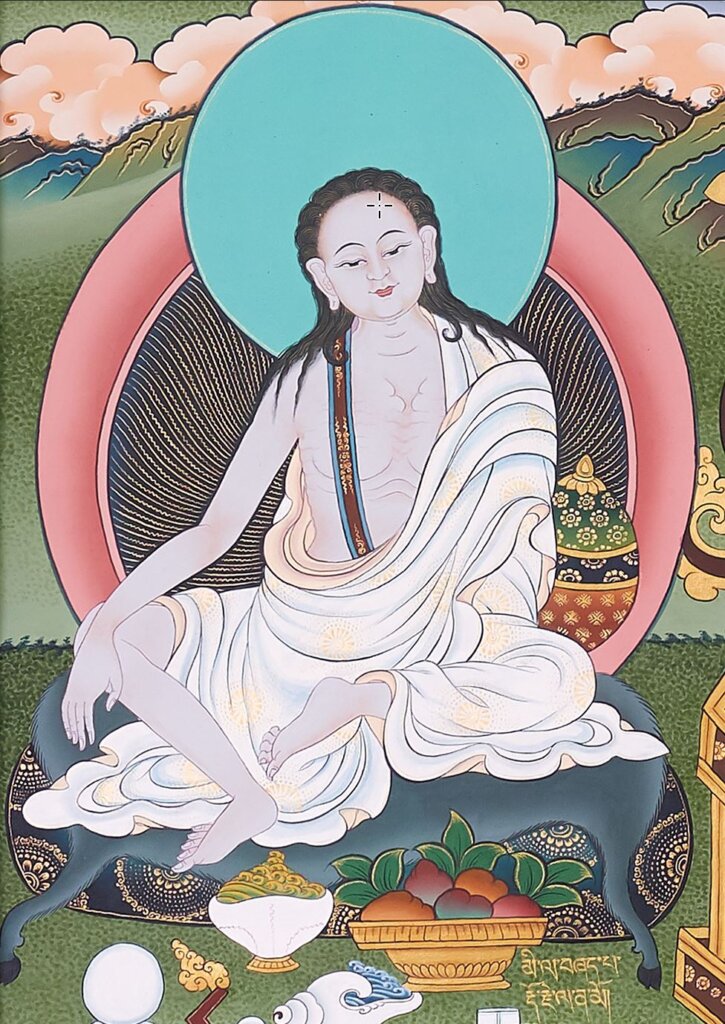
Milarepa's poignant assertion, "My body is a borrowed dwelling; soon I shall return it," invites us to contemplate the ephemeral nature of our physical existence. This statement serves as a reminder that our bodies, while integral to our experience of life, are ultimately temporary vessels. The stakes of this realization are profound; understanding our impermanence can lead to a deeper appreciation of life and a more compassionate engagement with the world around us.
As we delve into Milarepa's words, we encounter a profound truth that resonates across cultures and spiritual traditions: the body is not a permanent home but a transient shelter. This perspective encourages us to reflect on our attachments and the ways we cling to the physical realm. By recognizing the borrowed nature of our existence, we can cultivate a sense of gratitude for the present moment and a willingness to embrace change, fostering a deeper connection to the essence of life itself.
The image / the metaphor
Milarepa's metaphor of the body as a "borrowed dwelling" evokes a vivid image of impermanence. The choice of the word "borrowed" suggests a temporary arrangement, highlighting the idea that our physical form is not truly ours to possess. This imagery invites us to consider the fragility of our existence, as well as the inevitability of returning to the source from which we came. The notion of "returning" further emphasizes the cyclical nature of life, suggesting that what we perceive as loss is merely a transition into another state of being.
Diving deeper into this metaphor, we can see how it reflects the Buddhist understanding of attachment and suffering. Just as a borrowed dwelling is not ours to hold onto indefinitely, our bodies and identities are not fixed entities. They are fluid, constantly changing, and ultimately subject to the laws of nature. This realization can liberate us from the fear of loss, allowing us to embrace the present moment with open hearts and minds, free from the burdens of clinging and aversion.
In the speaker's tradition
Milarepa, a revered figure in Tibetan Buddhism, embodies the principles of impermanence and non-attachment that are central to the dharma. His life story illustrates the transformative power of recognizing the transient nature of existence. Concepts such as sunyata, or emptiness, and prajna, or wisdom, are woven into the fabric of his teachings, emphasizing that true understanding arises from the recognition of the impermanent nature of all phenomena. In this light, Milarepa's words serve as a profound reminder of the importance of letting go of our attachments to the physical form.
In the context of Buddhist texts, we can draw parallels to the teachings found in the Heart Sutra, which states, "Form is emptiness, emptiness is form." This profound insight echoes Milarepa's assertion, reinforcing the idea that our physical bodies are not separate from the greater reality of existence. By embracing the emptiness inherent in our borrowed dwellings, we can cultivate a deeper understanding of our interconnectedness with all beings and the world around us.
Living the teaching
Consider a modern scenario where this teaching might resonate: a person grappling with the loss of a loved one. In the face of grief, the realization that our bodies and lives are transient can offer solace. Understanding that life is a series of borrowed moments allows one to cherish the memories and experiences shared with the departed, rather than becoming consumed by the pain of loss. This perspective fosters a sense of gratitude for the time spent together, transforming sorrow into a celebration of life’s fleeting beauty.
In a different application, imagine a relationship where one partner struggles with feelings of jealousy or possessiveness. By reflecting on Milarepa's wisdom, they might come to understand that their partner, like themselves, is a borrowed dwelling—an individual with their own journey and impermanence. This insight can lead to a healthier dynamic, where love is expressed as a gift rather than a possession, allowing both partners to flourish in their shared experience while honoring their individual paths.
A reflection
As we contemplate Milarepa's profound statement, we are invited to ask ourselves: How does recognizing the impermanence of my body and existence influence the way I live my life? This question encourages us to reflect on our attachments, our relationships, and our daily practices. By embracing the transient nature of our borrowed dwelling, we can cultivate a deeper appreciation for the present moment and a more compassionate engagement with ourselves and others.
