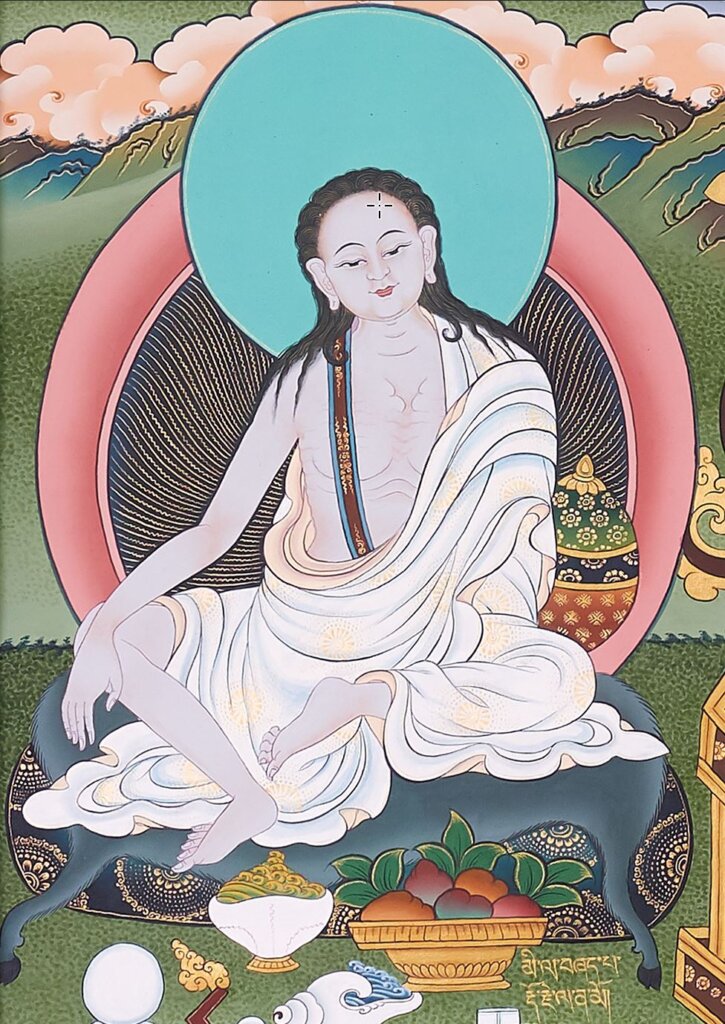
The Heart of Yoga: A Journey Within
Milarepa's assertion, "My yoga is the yoga of the heart," invites us to explore the profound connection between our inner emotional landscape and the practice of yoga. This statement transcends the physical postures often associated with yoga, urging us to delve into the essence of our being. In a world where the heart is frequently overshadowed by the intellect, Milarepa's words remind us that true spiritual practice begins with an open and compassionate heart. This perspective is not merely a personal sentiment; it is a call to cultivate a deeper understanding of ourselves and our relationships with others.
As we contemplate this quote, we recognize that the heart symbolizes more than just an emotional center; it embodies our capacity for love, empathy, and connection. Milarepa, a revered figure in Tibetan Buddhism, emphasizes that the heart is the core of our spiritual journey. This yoga of the heart invites us to engage with our vulnerabilities and to embrace the transformative power of love. By prioritizing the heart in our practice, we align ourselves with the fundamental truths of existence, fostering a sense of unity with all beings.
The image / the metaphor
At first glance, the phrase "yoga of the heart" conjures images of warmth, openness, and a deep sense of connection. The term "yoga" itself, derived from the Sanskrit root "yuj," means to unite or join. In this context, Milarepa suggests that the heart serves as the bridge that connects us to our true selves and to others. The use of the word "my" personalizes this journey, indicating that each individual's path to the heart is unique and deeply personal. This metaphorical landscape invites us to explore the depths of our emotional experiences, revealing the intricate tapestry of love, compassion, and understanding that weaves through our lives.
Diving deeper into the metaphor, we can see that the heart is not merely a passive recipient of feelings; it is an active participant in our spiritual evolution. The "yoga of the heart" implies a dynamic process of opening, healing, and transformation. It encourages us to engage with our emotions, to practice vulnerability, and to cultivate compassion not only for ourselves but also for others. This journey is akin to a dance, where the heart leads us through the rhythms of joy and sorrow, teaching us the art of balance and acceptance.
In the speaker's tradition
Milarepa's teachings are deeply rooted in the Tibetan Buddhist tradition, where the heart is often associated with the concept of "bodhicitta," or the awakened heart-mind. This notion emphasizes the importance of cultivating compassion and altruism as essential components of the spiritual path. In this context, the yoga of the heart aligns with the practice of "kenosis," or self-emptying, which invites us to release our ego-driven desires and open ourselves to the needs of others. By embodying this selfless love, we can transcend the limitations of our individual selves and connect with the greater whole.
Furthermore, Milarepa's emphasis on the heart resonates with the teachings found in the "Songs of Milarepa," where he often reflects on the impermanence of life and the importance of living with intention. One poignant example is his exploration of "sunyata," or emptiness, which invites practitioners to recognize the interconnectedness of all beings. By embracing the yoga of the heart, we can cultivate a profound understanding of this emptiness, allowing us to experience the fullness of love and compassion that exists within and around us.
Living the teaching
In our modern lives, the concept of the yoga of the heart can manifest in various ways. Consider a scenario where a friend is going through a difficult time, perhaps facing loss or disappointment. In this moment, the practice of the heart invites us to listen deeply, to offer our presence without judgment, and to extend compassion. By embodying the yoga of the heart, we create a safe space for our friend to express their feelings, fostering connection and healing. This simple act of being present can transform not only our relationship but also our understanding of the power of love in action.
Another application of this teaching can be found in our daily interactions, particularly during moments of conflict or misunderstanding. When faced with a challenging conversation, we can choose to approach the situation with an open heart, seeking to understand the other person's perspective. This practice of empathy allows us to transcend our ego-driven reactions and cultivate a sense of unity. By embodying the yoga of the heart in these moments, we not only deepen our relationships but also contribute to a more compassionate world.
A reflection
As we reflect on Milarepa's profound statement, we are invited to consider the ways in which we can cultivate the yoga of the heart in our own lives. What practices can we engage in to open our hearts more fully to ourselves and others? In what ways can we embody compassion and love in our daily interactions? These contemplative questions encourage us to explore the depths of our emotional experiences and to embrace the transformative power of the heart on our spiritual journey.
