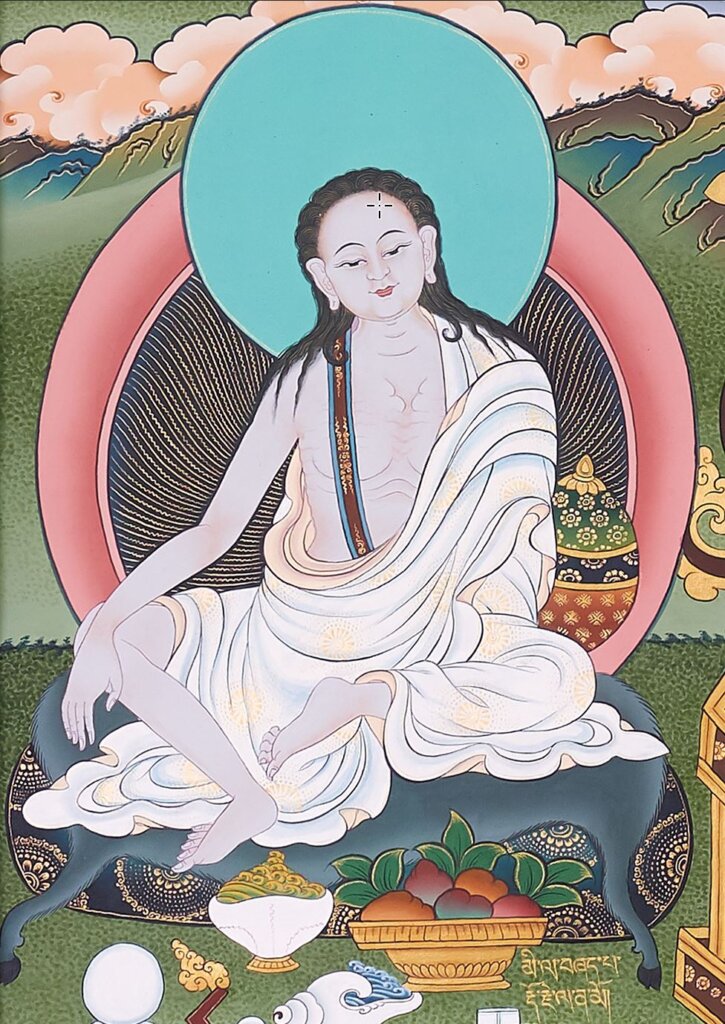
Milarepa's poignant assertion that "suffering is the natural state of one who demands the world bend" invites us to reflect deeply on the nature of our desires and expectations. In a world that often encourages us to assert our will, this quote serves as a sobering reminder that such demands can lead to profound discontent. The stakes are high; our insistence on controlling our circumstances can entrap us in a cycle of suffering, obscuring the path to genuine peace and understanding.
To demand that the world conform to our wishes is to engage in a futile struggle against the very nature of existence. This struggle not only breeds suffering but also distances us from the inherent interconnectedness of all beings. By recognizing the futility of our demands, we can begin to cultivate a sense of acceptance and equanimity, allowing us to navigate life's challenges with grace rather than resistance. Milarepa's wisdom thus beckons us to explore the transformative potential of relinquishing our need for control.
The image / the metaphor
At the heart of Milarepa's quote lies a vivid imagery of bending, suggesting a forceful manipulation of the world around us. The verb "demand" evokes a sense of urgency and entitlement, as if we are summoning the universe to comply with our desires. This imagery captures the tension between our aspirations and the reality of existence, illustrating the struggle that arises when we attempt to impose our will upon the natural flow of life.
Diving deeper into the metaphor, we can perceive the bending not merely as a physical act but as a symbolic representation of our inner turmoil. To demand the world bend is to resist the unfolding of life as it is, leading to a distortion of our perceptions and experiences. This resistance manifests as suffering, a poignant reminder that true liberation lies not in bending the world to our will, but in learning to flow with it, embracing its inherent unpredictability.
In the speaker's tradition
Milarepa, a revered figure in Tibetan Buddhism, embodies the teachings of dharma, which emphasize the importance of understanding the nature of suffering and the path to liberation. His life story illustrates the transformative power of renunciation and the pursuit of enlightenment through the practice of compassion and wisdom. Concepts such as sunyata, or emptiness, resonate deeply with Milarepa's message, inviting us to recognize the illusory nature of our demands and attachments.
In the context of Buddhist texts, the Heart Sutra articulates the essence of sunyata, stating that "form is emptiness, emptiness is form." This profound teaching aligns with Milarepa's assertion, as it encourages us to see beyond our rigid demands and to embrace the fluidity of existence. By understanding that our suffering arises from our attachments and desires, we can cultivate a deeper sense of prajna, or wisdom, guiding us toward a more harmonious relationship with the world.
Living the teaching
Consider a modern scenario where this teaching resonates: a professional striving for recognition and success may find themselves in a constant state of anxiety and dissatisfaction. Their demands for promotions, accolades, and validation can create a relentless cycle of stress and suffering. By reflecting on Milarepa's wisdom, this individual might begin to recognize that their suffering stems from their insistence on external validation, prompting a shift toward self-acceptance and intrinsic motivation.
In the realm of relationships, the application of this teaching can be equally profound. Imagine a partnership where one person feels the need to control the other’s actions or decisions, leading to tension and conflict. By embracing the understanding that suffering arises from such demands, both individuals can learn to cultivate a space of acceptance and freedom, allowing each other to grow without the weight of expectation. This shift not only alleviates suffering but also fosters a deeper connection rooted in mutual respect and understanding.
A reflection
As we contemplate Milarepa's insight, we are invited to engage with a profound question: In what areas of my life am I demanding that the world bend to my will, and how is this creating suffering for me? This inquiry encourages us to explore the roots of our desires and expectations, guiding us toward a more compassionate and accepting approach to our experiences. By embracing this reflection, we can begin to unravel the layers of our suffering and move toward a state of greater peace and harmony.
