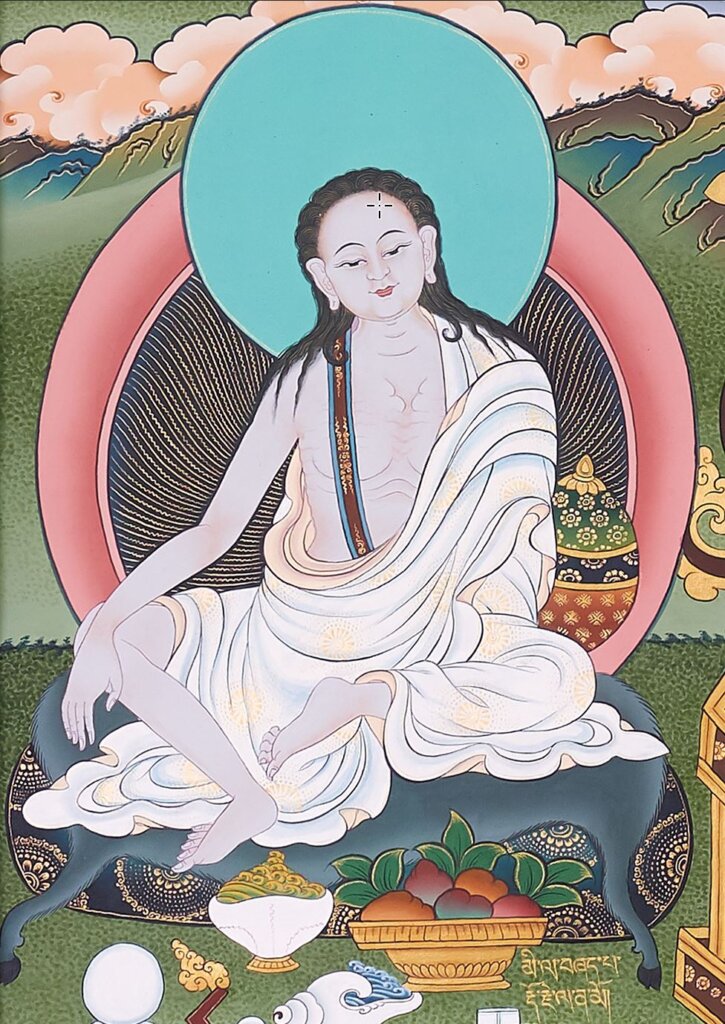
Milarepa's poignant declaration, "Without my guru, I would have been lost," encapsulates the profound relationship between a student and their spiritual teacher. This statement resonates deeply within the context of spiritual journeys, highlighting the essential role that guidance plays in navigating the complexities of existence. In a world often marked by confusion and uncertainty, the presence of a guru can illuminate the path toward self-realization and inner peace, making this sentiment not just a personal reflection but a universal truth for seekers of wisdom.
To understand the weight of Milarepa's words, we must delve into the essence of what it means to be "lost." In the spiritual realm, being lost signifies a disconnection from one's true self, a wandering through the labyrinth of life without direction or purpose. The guru serves as a beacon, offering clarity and insight that can transform despair into hope. This relationship is not merely transactional; it is a sacred bond that fosters growth, understanding, and ultimately, liberation from the cycles of suffering.
The image / the metaphor
At first glance, Milarepa's quote evokes a vivid image of a traveler in an unfamiliar landscape, searching for a way home. The use of the word "lost" conjures feelings of disorientation and vulnerability, while the term "guru" embodies the qualities of wisdom, compassion, and guidance. The juxtaposition of these two states—being lost and finding a guiding light—creates a powerful metaphor for the spiritual journey. It suggests that without the nurturing presence of a teacher, one may wander aimlessly, unable to discern the path that leads to enlightenment.
Delving deeper into this metaphor, we can see that the guru is not merely a figure of authority but a reflection of the inner wisdom that resides within each of us. The guru acts as a mirror, revealing our true nature and helping us confront our shadows. This relationship emphasizes the importance of surrender and trust, as the student must be willing to let go of preconceived notions and embrace the teachings offered. In this way, the guru becomes a catalyst for transformation, guiding the seeker toward the realization of their own innate potential.
In the speaker's tradition
Milarepa's teachings are rooted in the rich tradition of Tibetan Buddhism, where the concept of the guru is revered as a vital aspect of spiritual practice. In this context, the guru embodies the principles of dharma, serving as a living example of the teachings that lead to enlightenment. The relationship between guru and disciple is often characterized by bhakti, or devotion, which fosters a deep sense of reverence and gratitude. This connection allows the student to cultivate prajna, or wisdom, as they learn to navigate the complexities of existence with the guidance of their teacher.
One can draw parallels between Milarepa's sentiment and the teachings found in the Tibetan Book of the Dead, which emphasizes the importance of guidance during the transitional states of life and death. Just as the guru provides direction in this life, the teachings encourage practitioners to seek guidance in the moments of uncertainty that arise during the process of dying. This continuity of support underscores the timeless nature of the guru-disciple relationship, transcending the boundaries of life and death.
Living the teaching
In contemporary life, the essence of Milarepa's teaching can be observed in various scenarios, particularly in the realm of personal development. Consider a young professional navigating the complexities of their career. Faced with challenges and uncertainties, they may seek the mentorship of a seasoned colleague who embodies the qualities of a guru. This mentor not only provides practical advice but also encourages the young professional to explore their own strengths and aspirations, guiding them toward a more fulfilling path. In this way, the mentor becomes a crucial figure in helping the individual find their way, echoing Milarepa's sentiment of reliance on a guiding presence.
Another application of this teaching can be found in interpersonal relationships, particularly during times of conflict or emotional turmoil. Imagine a couple facing a significant challenge that threatens their bond. In seeking the guidance of a trusted friend or counselor, they open themselves to the possibility of healing and understanding. This act of reaching out reflects the essence of Milarepa's quote, as the couple acknowledges their vulnerability and the need for support. By embracing the wisdom of others, they can navigate their difficulties with greater clarity and compassion, ultimately strengthening their relationship.
A reflection
As we contemplate Milarepa's profound statement, we are invited to consider the role of guidance in our own lives. Who or what serves as your guru in moments of uncertainty? Reflecting on this question can illuminate the relationships and influences that shape our spiritual journeys. In recognizing the importance of these connections, we can cultivate a deeper sense of gratitude and reverence for those who guide us, allowing their wisdom to illuminate our paths toward self-discovery and fulfillment.
