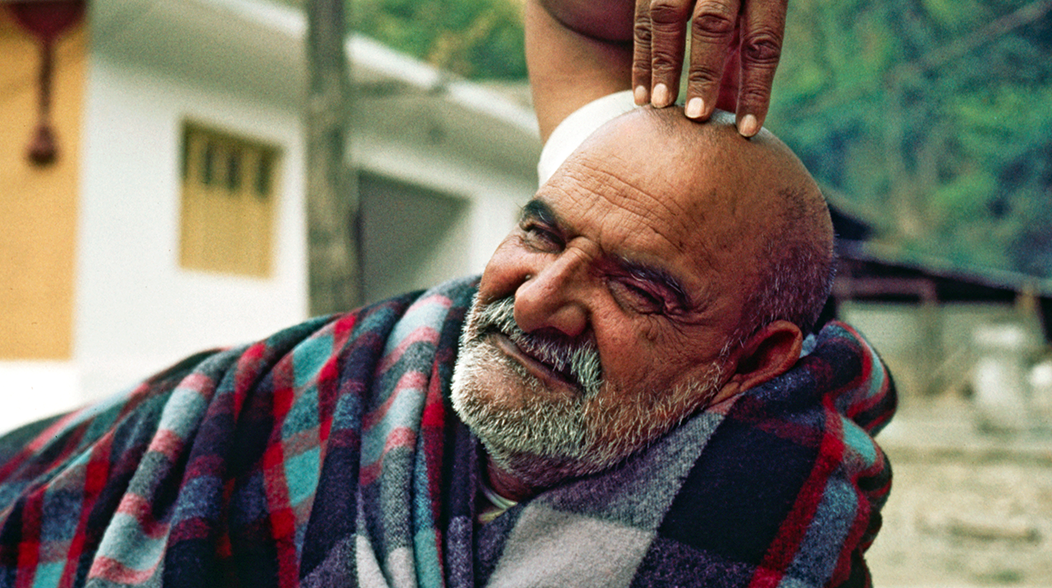
“Cling to God. Then nothing can shake you.” This profound statement by Neem Karoli Baba encapsulates the essence of unwavering devotion and the transformative power of faith. In a world rife with uncertainty and turmoil, the call to cling to the divine offers a sanctuary of steadiness. It suggests that through a deep and abiding connection with God, one can cultivate an inner resilience that remains unshaken by external circumstances. This teaching invites us to explore the nature of our attachments and the profound peace that comes from surrendering to a higher power.
At its core, this quote speaks to the heart of bhakti, the path of devotion that emphasizes love and surrender to God. It challenges us to examine our own lives and the myriad distractions that often pull us away from this divine connection. In a society that often prioritizes material success and personal achievement, the invitation to cling to God serves as a reminder of the deeper truths that lie beyond the surface. It beckons us to consider what it truly means to anchor ourselves in the divine, especially when faced with life's inevitable challenges.
The image / the metaphor
The imagery of “clinging” evokes a sense of intimacy and urgency, suggesting a relationship that is both tender and tenacious. To cling implies a physical and emotional grasp, a refusal to let go even in the face of adversity. This verb choice conveys not just a passive reliance but an active engagement with the divine. It invites us to envision a loving embrace, where the act of clinging is both a source of strength and a refuge from the storms of life. The notion that nothing can shake us when we are firmly rooted in this relationship speaks to the profound security that faith can provide.
In the speaker's tradition
Neem Karoli Baba, a revered figure in the bhakti tradition, embodies the principles of devotion and surrender that are central to this quote. Bhakti, which translates to “devotion,” emphasizes the importance of love and personal relationship with the divine. In this context, clinging to God is an expression of bhakti, where the devotee seeks to dissolve the boundaries of the self in the embrace of the divine. This path is often characterized by practices such as prayer, chanting, and selfless service, which foster a deep sense of connection and devotion.
In the broader context of spiritual literature, this teaching resonates with the concept of “kenosis,” or self-emptying, found in various traditions. The idea is that by relinquishing our attachments and desires, we create space for divine presence to fill our lives. This is echoed in texts such as the Bhagavad Gita, where the importance of surrendering to God is emphasized as a means to attain liberation. The act of clinging to God, therefore, becomes a transformative journey toward realizing our true nature and purpose.
Living the teaching
Consider a modern scenario where this teaching can be applied: a person facing a significant life change, such as a job loss or the end of a relationship. In such moments of upheaval, the instinct may be to cling to the familiar or to seek control over the situation. However, the invitation to cling to God encourages a shift in perspective. Instead of relying solely on personal strength or external validation, one can turn inward, seeking solace and guidance through prayer or meditation. This act of devotion can provide a sense of peace and clarity, allowing the individual to navigate the uncertainty with grace and resilience.
Another application of this teaching can be found in the realm of relationships. When conflicts arise, it is easy to become entangled in ego-driven reactions and misunderstandings. By clinging to God, one can cultivate a spirit of compassion and understanding, recognizing that the divine presence is at work in every interaction. This perspective fosters forgiveness and patience, allowing for deeper connections to flourish. In daily practice, this might manifest as a commitment to prayer or reflection before responding to challenges, anchoring oneself in the divine love that transcends personal grievances.
A reflection
As we contemplate the wisdom of Neem Karoli Baba’s words, we are invited to reflect on our own relationship with the divine. What does it mean for you to cling to God in your life? In moments of uncertainty or challenge, how can you deepen your connection to the divine and find steadiness amidst the chaos? This contemplation encourages us to explore the ways in which our faith can serve as an anchor, guiding us through the storms of existence and leading us toward a more profound sense of peace and purpose.