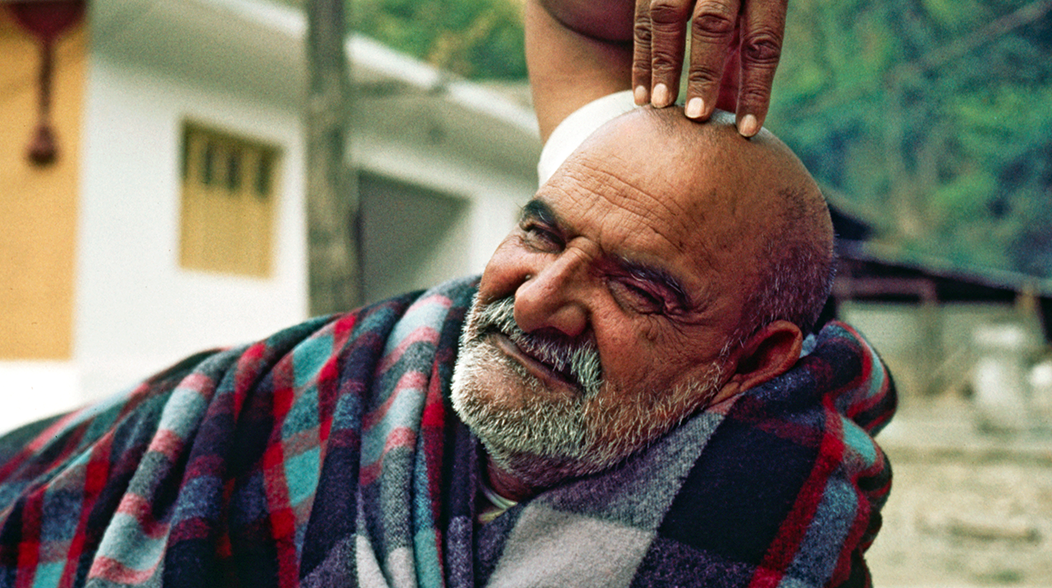
Neem Karoli Baba's poignant exhortation, "Don't throw anyone out of your heart," invites us to cultivate an expansive love that transcends boundaries and judgments. This simple yet profound statement urges us to embrace all beings with compassion, reminding us that the heart is a sanctuary meant for inclusivity rather than exclusion. In a world often marked by division and conflict, this teaching becomes a vital compass, guiding us toward a more harmonious existence rooted in love.
At its core, this quote challenges us to examine the barriers we erect around our hearts, often in response to hurt or disappointment. It implores us to recognize that true love is not merely a feeling but an active choice, a commitment to remain open and receptive to others, regardless of their actions or our past experiences. By holding space for everyone in our hearts, we not only nurture our own spiritual growth but also contribute to a collective healing that resonates far beyond our individual lives.
The image / the metaphor
The imagery in Neem Karoli Baba's words evokes a sense of warmth and shelter, suggesting that the heart is a vast, welcoming space. The verb "throw" carries a weight of action, implying a forceful rejection that can lead to isolation and bitterness. In contrast, the act of keeping someone in our heart is gentle and nurturing, akin to tending a garden where every flower, no matter how small or seemingly insignificant, is given the opportunity to bloom. This metaphor of the heart as a garden invites us to reflect on the diversity of love and the importance of allowing all emotions and relationships to coexist.
Diving deeper into this metaphor, we can envision the heart as a vessel that holds not only love but also pain, joy, and everything in between. Each person we encounter, whether they bring us happiness or challenge, contributes to the richness of our emotional landscape. By refusing to throw anyone out of our heart, we acknowledge the interconnectedness of our experiences and the lessons they impart. This holistic view of love encourages us to embrace the entirety of our human experience, fostering a deeper understanding of ourselves and others.
In the speaker's tradition
Neem Karoli Baba's teachings are deeply rooted in the tradition of bhakti, which emphasizes devotion and love for the divine as a path to spiritual realization. Central to bhakti is the concept of surrender, or *kenosis*, which invites us to empty ourselves of ego-driven desires and open our hearts to the divine presence in all beings. This aligns with the notion of *sunyata*, or emptiness, found in Buddhist thought, where the absence of rigid boundaries allows for a more profound connection with others. By embodying this openness, we practice *fana*, the annihilation of the self in love, leading to a state of unity with all existence.
A relevant text that echoes this sentiment is the *Bhagavad Gita*, where Krishna teaches Arjuna about the importance of selfless action and love for all beings. In Chapter 12, Krishna emphasizes that those who are devoted to him see all beings as equal, transcending distinctions of friend and foe. This perspective reinforces Neem Karoli Baba's message, urging us to cultivate a heart that embraces everyone, recognizing the divine essence within each individual.
Living the teaching
Consider a modern scenario where this teaching can be applied: a workplace filled with diverse personalities and opinions. It is easy to become frustrated with colleagues who challenge our views or disrupt our sense of harmony. However, by choosing not to "throw anyone out of our heart," we can approach these interactions with compassion and understanding. This practice encourages us to see beyond surface-level disagreements, fostering a collaborative environment where every voice is valued and heard.
In the realm of personal relationships, this teaching can be particularly transformative. Imagine a moment of conflict with a loved one, where anger and hurt threaten to create a rift. By consciously choosing to hold that person in our heart, we can navigate the situation with empathy, seeking to understand their perspective rather than reacting defensively. This commitment to love, even in difficult moments, not only strengthens our bonds but also cultivates a deeper sense of connection and trust.
A reflection
As we contemplate Neem Karoli Baba's profound invitation, we are left with a contemplative question: How can I expand my heart to include those I find difficult to love? This inquiry invites us to explore the barriers we may have constructed and encourages us to seek understanding and compassion in our interactions. By reflecting on this question, we can begin to embody the essence of love that Neem Karoli Baba so beautifully articulated, transforming our relationships and, ultimately, ourselves.