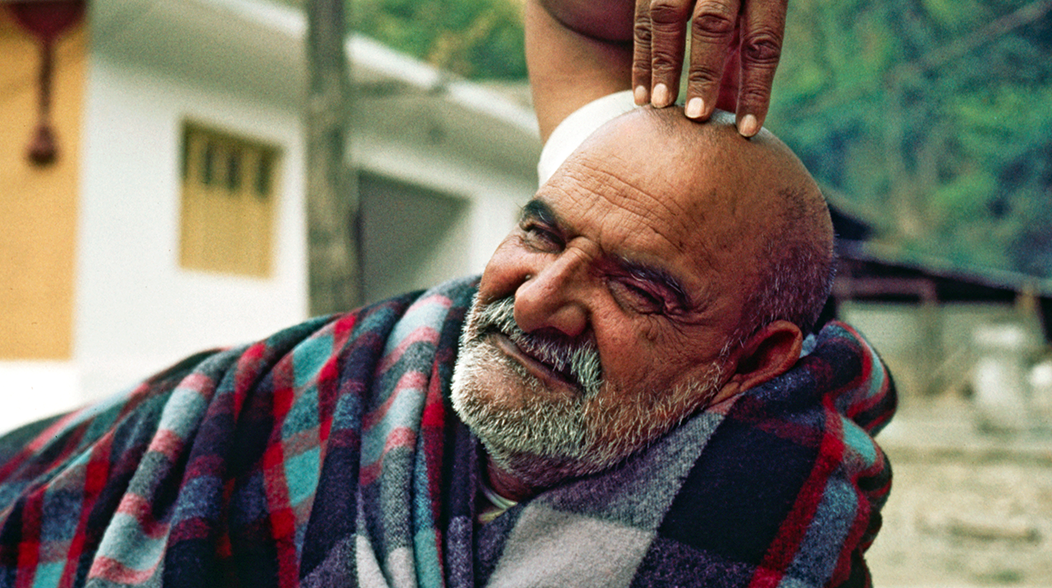
Neem Karoli Baba, affectionately known as Maharaj-ji, offers a profound insight when he states, "Maharaj-ji is the silent witness within." This quote invites us to explore the essence of our inner selves, suggesting that beneath the tumult of our thoughts and emotions lies a tranquil observer. Recognizing this silent witness is crucial for cultivating a deeper understanding of our true nature, allowing us to navigate the complexities of life with grace and clarity.
In a world often characterized by noise and distraction, the call to connect with the silent witness within becomes even more significant. This inner presence serves as a grounding force, reminding us of our inherent peace and wisdom. By turning our attention inward and acknowledging this witness, we can cultivate a sense of detachment from the chaos around us, fostering a more profound sense of inner peace and spiritual fulfillment.
The image / the metaphor
The phrase "silent witness" conjures an image of a serene observer, one who perceives without judgment or attachment. This witness is not an active participant in the drama of our lives but rather a quiet presence that observes our thoughts, feelings, and actions. The choice of the word "silent" emphasizes the stillness and calmness of this inner observer, contrasting sharply with the often chaotic nature of our external experiences.
Diving deeper into the metaphor, we can understand the silent witness as a representation of our higher self or consciousness. This aspect of our being is untouched by the fluctuations of daily life, embodying a state of pure awareness. By recognizing this witness, we can learn to separate our true selves from the transient emotions and thoughts that often dominate our experience, allowing us to respond to life with greater wisdom and compassion.
In the speaker's tradition
Neem Karoli Baba's teachings are rooted in the bhakti tradition, which emphasizes devotion and love for the divine. Within this framework, the concept of the silent witness aligns with the idea of bhakti as a path to realizing our connection with the divine presence within us. This inner witness embodies the principles of dharma, guiding us toward a life of righteousness and harmony, while also reflecting the essence of kenosis—the self-emptying that allows us to become vessels for divine love.
In the context of bhakti, the silent witness can be likened to the concept of sunyata, or emptiness, found in Buddhist philosophy. Just as sunyata encourages us to recognize the impermanence of our thoughts and feelings, the silent witness invites us to observe these fluctuations without attachment. This perspective fosters a sense of liberation, allowing us to experience life more fully while remaining anchored in our true nature.
Living the teaching
Consider a modern scenario where the teaching of the silent witness can be applied: during a heated discussion with a colleague. In the midst of rising tensions, one might feel overwhelmed by emotions and reactions. By invoking the presence of the silent witness, however, you can step back and observe your thoughts and feelings without becoming entangled in them. This practice not only helps to diffuse the situation but also allows for a more thoughtful and compassionate response, ultimately fostering a healthier dialogue.
Another application of this teaching can be found in personal relationships, particularly during moments of conflict or misunderstanding. When faced with a disagreement, instead of reacting impulsively, one can take a moment to connect with the silent witness within. This pause creates space for reflection, enabling you to approach the situation with empathy and understanding, rather than defensiveness. By embodying the silent witness, you cultivate a deeper connection with others, fostering harmony and love in your relationships.
A reflection
As we contemplate the wisdom of Neem Karoli Baba's words, we are invited to explore the nature of our own inner witness. How often do we pause to acknowledge this silent observer within us? In moments of chaos or emotional turmoil, can we cultivate the awareness to step back and observe our experiences without judgment? Reflecting on these questions can deepen our understanding of ourselves and our connection to the divine, guiding us toward a more peaceful and fulfilling existence.