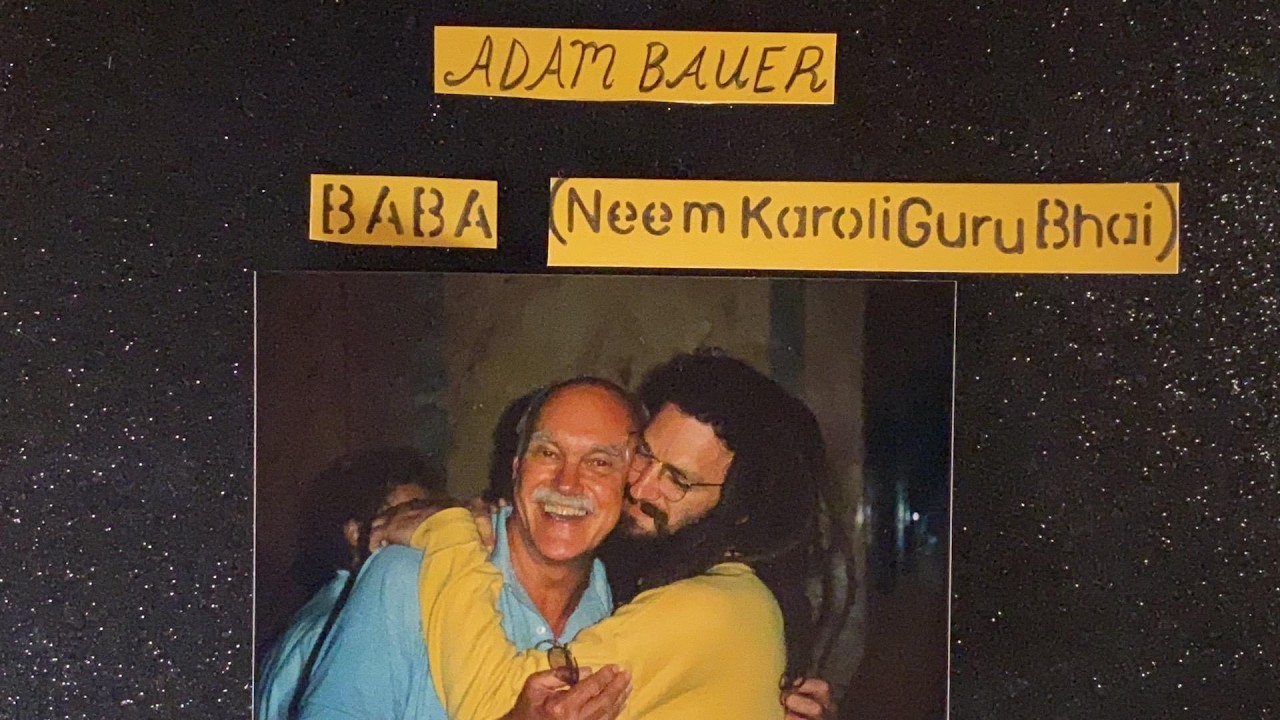
Neem Karoli Baba's assertion that "money is just like flowing water. Let it flow through you" invites us to reconsider our relationship with wealth and material resources. This metaphor suggests that money, like water, is meant to circulate freely, nourishing both the giver and the receiver. In a world often dominated by scarcity and fear, this perspective encourages us to cultivate a mindset of abundance and generosity, reminding us that true wealth lies not in accumulation but in the flow of giving and receiving.
At its core, this teaching challenges the conventional view of money as a static entity to be hoarded and protected. Instead, it invites us to see money as a dynamic force that can enhance our lives and the lives of others when we allow it to move through us. By embracing this flow, we can transcend the anxieties associated with financial insecurity and foster a deeper connection to the world around us, ultimately leading to a more fulfilling and meaningful existence.
The image / the metaphor
The imagery of water flowing through us evokes a sense of fluidity and ease. Water is a natural element that adapts to its surroundings, carving paths through landscapes and nurturing life along the way. In this metaphor, the verbs "let" and "flow" suggest a relinquishing of control, an invitation to trust in the natural rhythms of life. Just as water finds its way, so too can money, when allowed to circulate freely, create connections and foster community.
Diving deeper into this metaphor, we can see that water also represents purity and clarity. When we allow money to flow through us without attachment, we can approach it with a sense of detachment and mindfulness. This perspective encourages us to view financial resources not as possessions to cling to, but as tools for creating positive change in our lives and the lives of others. In this way, the metaphor of flowing water becomes a powerful reminder of the importance of non-attachment in our relationship with material wealth.
In the speaker's tradition
Neem Karoli Baba's teachings are rooted in the bhakti tradition, which emphasizes devotion and love for the divine. Central to this path is the concept of non-attachment, or "vairagya," which encourages practitioners to cultivate a sense of detachment from worldly possessions and desires. This aligns with the idea of "kenosis," or self-emptying, where one relinquishes the ego's grasp on material wealth to embrace a more profound spiritual connection. In this context, money becomes a means of expressing love and devotion rather than an object of desire.
In the Bhagavad Gita, a foundational text of the bhakti tradition, Lord Krishna speaks of performing one's duty without attachment to the fruits of one's actions. This principle resonates with Neem Karoli Baba's teaching, as it encourages us to engage with the world and its resources while remaining unattached to outcomes. By embodying this spirit of selfless action, we can transform our relationship with money into one that fosters generosity, compassion, and interconnectedness.
Living the teaching
Consider a modern scenario where this teaching can be applied: a person receives a bonus at work. Instead of viewing this windfall as a personal gain to be hoarded, they might choose to share a portion with those in need or invest in a community project. By allowing the money to flow through them, they not only enhance their own sense of purpose but also contribute to the well-being of others. This act of generosity can create a ripple effect, inspiring others to engage in similar acts of kindness and reinforcing the interconnectedness of all beings.
In a different context, imagine a relationship where one partner feels a sense of scarcity regarding emotional support. By embodying the principle of flowing water, they can practice giving love and attention without expectation, allowing their partner to feel free to reciprocate in their own way. This shift from attachment to a more fluid exchange of affection can deepen the bond between them, fostering a relationship built on trust and mutual respect. In both scenarios, the teaching of non-attachment transforms our interactions with money and relationships, inviting us to embrace a more abundant and fulfilling life.
A reflection
As we contemplate Neem Karoli Baba's wisdom, we might ask ourselves: How can I cultivate a mindset of abundance in my relationship with money and resources? This question invites us to reflect on our own beliefs and behaviors surrounding wealth, encouraging us to explore the ways in which we can let go of attachment and embrace the flow of generosity. In doing so, we open ourselves to the possibility of a richer, more connected existence, where the act of giving becomes a source of joy and fulfillment.