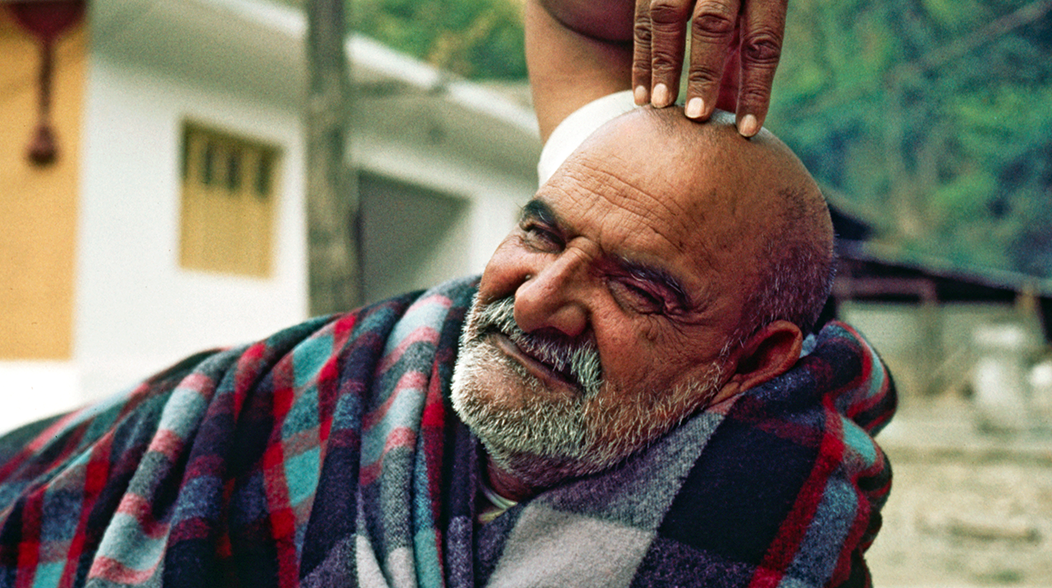
Neem Karoli Baba's profound assertion, "Sub ek — all is one — but each in its own form," invites us to contemplate the intricate relationship between unity and individuality. This statement encapsulates a fundamental truth of existence: while all beings share a common essence, they express this essence through diverse forms. Understanding this duality is crucial, as it encourages us to embrace both our interconnectedness and our unique identities, fostering compassion and acceptance in a world often marked by division.
In a time when polarization seems to dominate our social landscape, the wisdom of Neem Karoli Baba resonates deeply. His words remind us that recognizing our shared essence does not diminish our individuality; rather, it enriches our experience of life. This perspective invites us to celebrate the myriad expressions of existence while remaining anchored in the understanding that we are all part of a greater whole. Such a realization can transform our interactions, leading to a more harmonious existence.
The image / the metaphor
The imagery in Neem Karoli Baba's quote evokes a rich tapestry of existence, where each thread represents a unique form, yet all are woven into a single fabric. The phrase "all is one" serves as a powerful reminder of the underlying unity that connects us, while "each in its own form" highlights the beauty of diversity. This duality is not merely an abstract concept; it is a felt experience that invites us to explore the depths of our own being and the world around us.
Diving deeper into the metaphor, we can envision a vast garden filled with a multitude of flowers, each distinct in color, shape, and fragrance. While they may appear different on the surface, they all draw sustenance from the same soil and sunlight. This image encapsulates the essence of Neem Karoli Baba's teaching: our individual expressions, though varied, are nourished by the same source of life. Embracing this metaphor allows us to appreciate the richness of our differences while recognizing our shared roots.
In the speaker's tradition
Neem Karoli Baba's teachings are deeply rooted in the bhakti tradition, which emphasizes devotion and love for the divine. Central to this tradition is the concept of unity, often expressed through the idea of dharma, or the inherent order of the universe. In bhakti, the relationship between the devotee and the divine exemplifies the interplay of oneness and individuality, as each soul seeks to connect with the divine while expressing its unique essence. This dynamic reflects the principles of kenosis, or self-emptying, where one surrenders the ego to experience a deeper connection with the whole.
A relevant text that echoes this sentiment is the Bhagavad Gita, where Krishna teaches Arjuna about the interconnectedness of all beings. In Chapter 9, Verse 22, Krishna assures that those who are devoted to Him will have their needs met, emphasizing that the divine presence is accessible to all, regardless of form. This teaching aligns with Neem Karoli Baba's message, as it underscores the importance of recognizing both our individuality and our unity in the divine tapestry of existence.
Living the teaching
Consider a modern scenario where this teaching can be applied: a workplace filled with diverse individuals, each bringing unique skills and perspectives. In such an environment, recognizing that "all is one" can foster collaboration and innovation. When team members appreciate each other's distinct contributions, they create a harmonious atmosphere that enhances productivity and creativity. This understanding encourages individuals to celebrate their differences while working towards a common goal, embodying the essence of Neem Karoli Baba's wisdom.
Another application of this teaching can be found in personal relationships. Imagine a moment of conflict between friends, where misunderstandings arise from differing viewpoints. By embracing the idea that "each in its own form," both individuals can approach the situation with empathy and compassion. Recognizing that their unique perspectives stem from shared experiences allows them to navigate the conflict with grace, ultimately strengthening their bond. This practice of seeing the divine in each other transforms challenges into opportunities for growth and deeper connection.
A reflection
As we reflect on Neem Karoli Baba's profound statement, we are invited to consider the ways in which we perceive ourselves and others. How can we cultivate a deeper awareness of our shared essence while honoring the unique forms that each individual embodies? This contemplative question encourages us to explore the balance between unity and diversity in our lives, prompting us to seek connections that transcend superficial differences and celebrate the richness of our shared humanity.