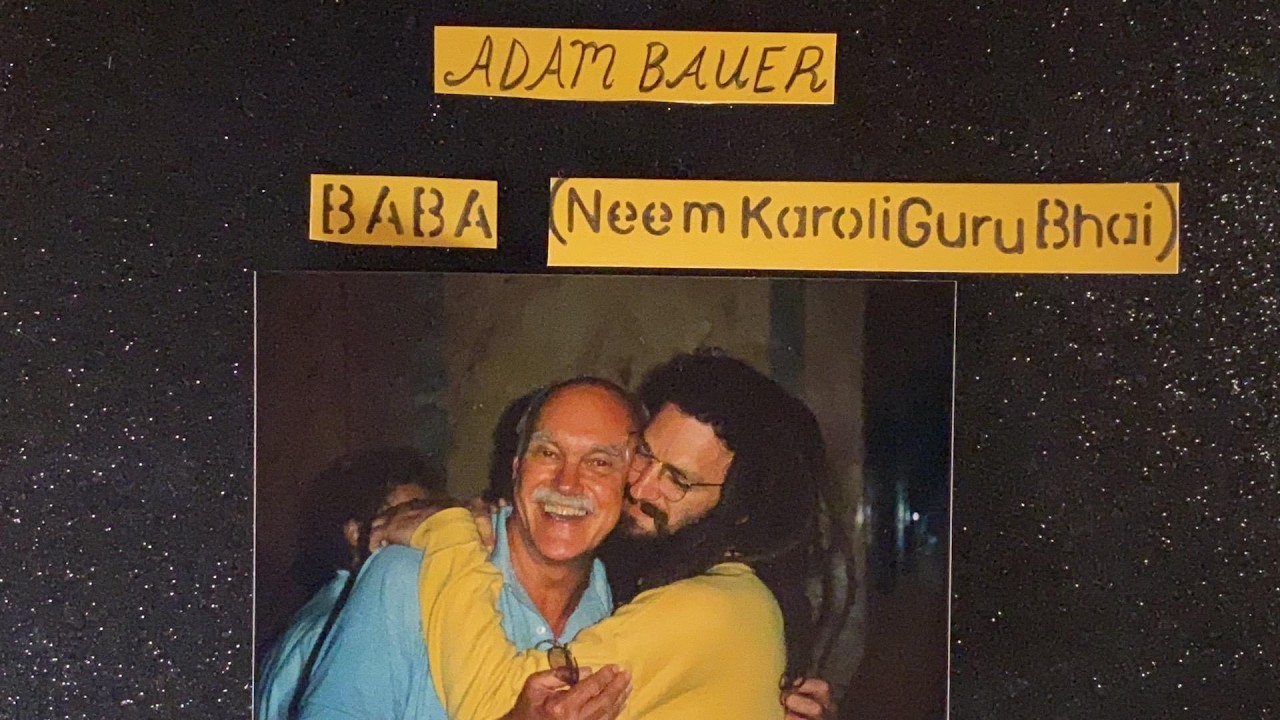
Neem Karoli Baba's profound assertion, "Sub ek — all is one," invites us to explore the interconnectedness of existence. This simple yet powerful statement serves as a reminder that beneath the surface of our diverse experiences lies a singular essence that binds us all. In a world often marked by division and separation, this teaching beckons us to recognize the unity that transcends our individual identities, urging us to cultivate a deeper understanding of our shared humanity.
To grasp the significance of this quote, we must delve into the implications of oneness in our daily lives. The notion that "all is one" challenges us to reconsider our perceptions of self and other, encouraging a shift from isolation to inclusion. It invites us to reflect on the ways in which we can embody this truth, fostering compassion and empathy in our interactions. In doing so, we not only enrich our own lives but also contribute to the collective healing of a fragmented world.
The image / the metaphor
The phrase "Sub ek" evokes a vivid image of a vast tapestry, intricately woven with threads of different colors and textures, yet all originating from the same source. The verbs inherent in this statement—"is" and "one"—suggest a state of being that transcends duality. This imagery resonates deeply, as it encapsulates the essence of existence: a singular reality manifesting in myriad forms. The felt sense of this unity can be both comforting and challenging, as it calls us to recognize the divine presence within ourselves and others.
In the speaker's tradition
Neem Karoli Baba's teaching of oneness is deeply rooted in the bhakti tradition, which emphasizes devotion and love as pathways to spiritual realization. Concepts such as dharma, or righteous duty, and bhakti, the loving devotion to the divine, are central to this tradition. In bhakti, the realization of unity is often experienced through the practice of surrendering the ego and embracing a state of kenosis, or self-emptying, which allows one to connect with the divine essence that permeates all beings. This journey toward recognizing oneness is not merely intellectual; it is a heartfelt experience that transforms the devotee's relationship with the world.
In the context of bhakti literature, we can draw parallels to the teachings found in the Bhagavad Gita, where Lord Krishna imparts wisdom on the nature of the self and the universe. The Gita emphasizes that the individual soul (atman) is ultimately one with the universal spirit (Brahman), echoing Neem Karoli Baba's assertion. This profound understanding encourages practitioners to cultivate a sense of unity with all beings, fostering love and compassion as expressions of their devotion.
Living the teaching
Consider a modern scenario where the teaching of "all is one" can be applied: a workplace filled with diverse individuals from various backgrounds. In such an environment, misunderstandings and conflicts may arise due to differing perspectives and values. By embracing the essence of oneness, employees can approach their interactions with empathy and openness, recognizing that each person's experiences contribute to the collective narrative of the workplace. This shift in perspective can lead to a more harmonious and collaborative atmosphere, where creativity and innovation flourish.
Another application of this teaching can be found in personal relationships, particularly during challenging moments. When faced with conflict or disagreement, the reminder that "all is one" can serve as a grounding force. Instead of viewing the other as an adversary, one can cultivate compassion and understanding, recognizing that both parties are navigating their own struggles. This approach not only fosters resolution but also deepens the bond between individuals, allowing love and connection to prevail over division.
A reflection
As we contemplate Neem Karoli Baba's profound statement, "Sub ek — all is one," we are invited to reflect on our own lives and relationships. How can we embody this teaching in our daily interactions? In what ways can we cultivate a sense of unity with those around us, even amidst differences? These questions encourage us to explore the depths of our connections and to seek the divine presence in every encounter, fostering a world that celebrates oneness rather than division.