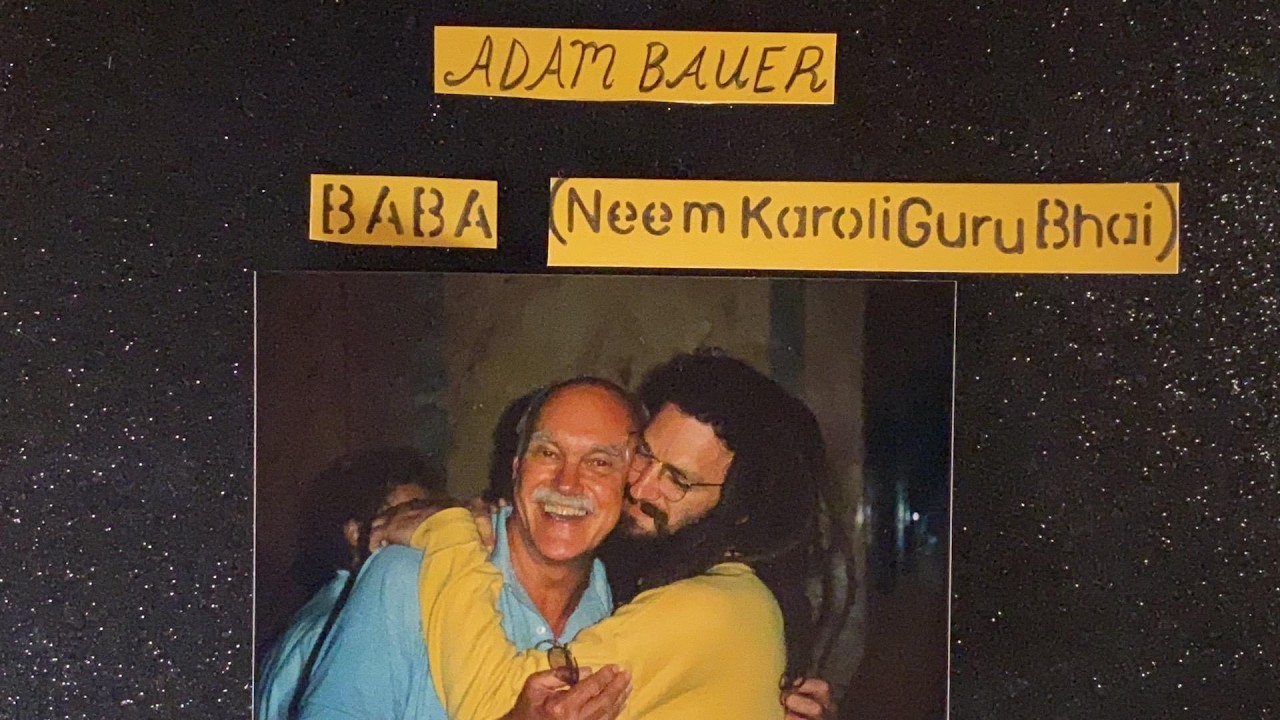
Neem Karoli Baba's assertion that "the blessing is the simplest thing" invites us to reconsider our understanding of blessings and their inherent simplicity. In a world often clouded by complexity and distraction, this statement serves as a gentle reminder that the essence of blessings lies not in their grandeur but in their fundamental nature. The stakes are high; recognizing the simplicity of blessings can transform our perception of life, enabling us to find joy and gratitude in the most ordinary moments.
Delving deeper, we find that this simplicity is not a diminutive quality but rather a profound depth that invites us to engage with the world in a more authentic way. When we strip away the layers of expectation and desire, we arrive at a state of being where blessings can be recognized in their purest form. This perspective encourages us to cultivate an awareness that sees beyond the surface, allowing us to appreciate the richness of our experiences without the need for embellishment.
The image / the metaphor
The phrase "the blessing is the simplest thing" evokes a vivid imagery of clarity and purity. The word "blessing" conjures feelings of warmth, connection, and grace, while "simplest" suggests an unadorned essence that is accessible to all. The verbs implied in this statement—recognizing, receiving, and embracing—invite us to engage actively with the blessings that surround us, encouraging a sense of openness and receptivity.
In the speaker's tradition
Neem Karoli Baba's teachings are deeply rooted in the tradition of bhakti, which emphasizes devotion and love for the divine. Within this framework, blessings are seen as manifestations of grace that arise from a heart aligned with love and surrender. Concepts such as dharma, or righteous duty, and kenosis, the act of self-emptying, resonate with the idea that true blessings emerge when we let go of our ego and open ourselves to the flow of divine love. This alignment with the essence of bhakti allows us to experience blessings in their simplest form, unencumbered by our desires or expectations.
In the context of bhakti literature, we can draw parallels to the teachings found in the Bhagavad Gita, where Krishna emphasizes the importance of surrendering to the divine will. The Gita teaches that when we act without attachment to the fruits of our actions, we can experience a state of grace that reveals the blessings inherent in our existence. This connection to the divine through selfless action and devotion mirrors the simplicity that Neem Karoli Baba speaks of, inviting us to embrace the blessings that arise from a heart open to love.
Living the teaching
Consider a modern scenario where this teaching can be applied: a busy parent juggling work, household responsibilities, and the needs of their children. In the midst of this chaos, the parent may overlook the simple blessings present in everyday moments—a child's laughter, a shared meal, or a quiet moment of reflection. By consciously choosing to recognize and appreciate these small yet significant blessings, the parent can cultivate a sense of gratitude that transforms their experience of daily life, allowing them to find joy amidst the busyness.
Another application of this teaching can be found in relationships, particularly during challenging times. When conflicts arise, it can be easy to focus on grievances and misunderstandings, overshadowing the blessings that brought the individuals together in the first place. By consciously acknowledging the simplicity of love, support, and shared experiences, individuals can navigate difficulties with a renewed perspective, fostering deeper connections and understanding. This practice of recognizing blessings in relationships can serve as a powerful tool for healing and growth.
A reflection
As we contemplate Neem Karoli Baba's assertion that "the blessing is the simplest thing," we are invited to reflect on our own lives and the blessings we may take for granted. What small moments of grace have you overlooked in your daily routine? By engaging with this question, we can begin to cultivate a deeper awareness of the simplicity that surrounds us, allowing the blessings in our lives to unfold in their purest form.