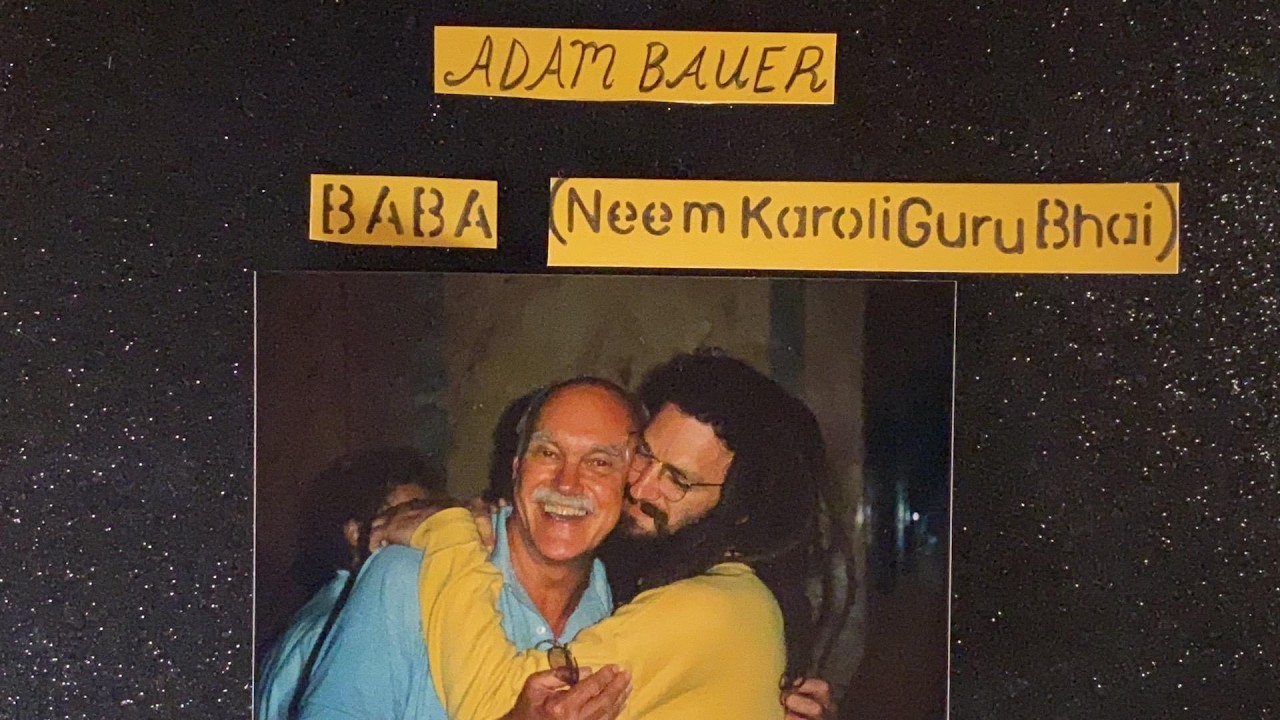
When Neem Karoli Baba states, "The truth is simpler than you think," he invites us to reconsider our often convoluted perceptions of reality. In a world filled with complexities, distractions, and layers of interpretation, this assertion serves as a gentle reminder that the essence of truth is inherently straightforward. It beckons us to peel away the unnecessary embellishments that cloud our understanding, urging us to embrace a more profound simplicity that lies at the heart of existence.
This call to simplicity resonates deeply within the human experience, particularly in our quest for meaning and clarity. In a society that often equates complexity with sophistication, we may find ourselves entangled in webs of thought that obscure the very truths we seek. Neem Karoli Baba's words challenge us to strip away the noise and return to the essence of our being, where truth resides not in grandiose ideas but in the quiet, unadorned moments of life. This journey toward simplicity is not merely an intellectual exercise; it is a spiritual practice that invites us to cultivate awareness and presence in each moment.
The image / the metaphor
The phrase "the truth is simpler than you think" evokes a vivid imagery of clarity emerging from confusion. The word "simpler" suggests a return to a state of purity, a shedding of layers that have accumulated over time. It implies that truth is not something to be constructed or complicated; rather, it is an inherent quality of existence that we often overlook. The verb "think" indicates that our cognitive processes can sometimes lead us astray, creating barriers to understanding that are self-imposed. In this light, the quote becomes a call to quiet the mind and listen to the deeper truths that resonate within us.
In the speaker's tradition
Neem Karoli Baba's teachings are deeply rooted in the tradition of bhakti, which emphasizes devotion and love as pathways to understanding the divine. In this context, the notion of truth is intertwined with concepts such as dharma, the moral order of the universe, and prajna, the wisdom that arises from direct experience. The simplicity of truth aligns with the bhakti path, where the devotee seeks to dissolve the ego and surrender to a higher reality. This surrender, or kenosis, allows for a profound realization that truth is not an abstract concept but a lived experience that unfolds in the heart.
In the Bhagavad Gita, a foundational text within the bhakti tradition, we find echoes of Neem Karoli Baba's sentiment. The Gita teaches that the essence of life is not found in the complexities of duty and desire but in the surrender to the divine will. This surrender leads to a state of equanimity, where the seeker recognizes that the truth of existence is inherently simple and accessible. Just as Arjuna learns to see beyond the battlefield of his mind, we too are invited to transcend our internal conflicts and embrace the simplicity that lies at the core of our being.
Living the teaching
Consider a modern scenario where the teaching of simplicity can be applied: the overwhelming nature of daily life. Many individuals find themselves juggling multiple responsibilities, often leading to stress and anxiety. In such moments, Neem Karoli Baba's wisdom serves as a guiding light, reminding us to pause and reflect on what truly matters. By simplifying our commitments and focusing on the present moment, we can cultivate a sense of peace that allows us to navigate life's challenges with grace. This practice of simplification can transform our experience, enabling us to engage more fully with each task and interaction.
In the realm of relationships, the call to embrace simplicity can be equally transformative. Often, misunderstandings arise from complex expectations and unspoken assumptions. By approaching our connections with honesty and openness, we can foster a deeper understanding that transcends the noise of miscommunication. Neem Karoli Baba's teaching encourages us to express our feelings and needs clearly, allowing for a more authentic exchange that honors the essence of our relationships. In doing so, we create a space where love can flourish, unencumbered by the complexities that often hinder genuine connection.
A reflection
As we contemplate Neem Karoli Baba's assertion that "the truth is simpler than you think," we are invited to engage in a reflective practice. What layers of complexity have you woven into your understanding of truth? In what areas of your life can you simplify your perspective to uncover the essence of your experiences? Allow these questions to guide you toward a deeper exploration of your own relationship with truth, inviting simplicity to illuminate your path.