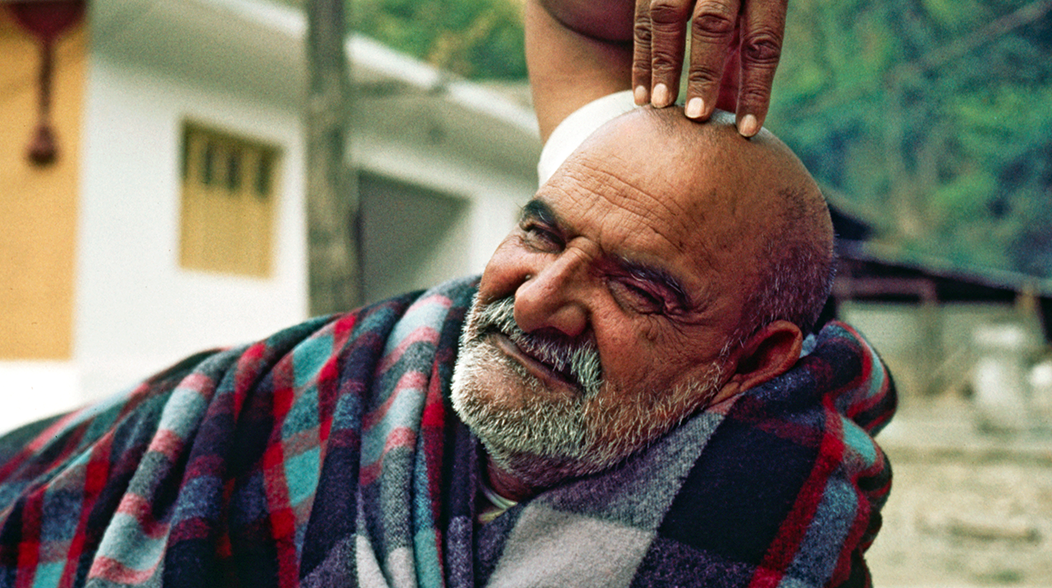
"There is nothing to fear. Maharaj-ji is here." This profound statement by Neem Karoli Baba encapsulates a deep spiritual truth that resonates across time and tradition. It speaks to the heart of human experience, where fear often looms large, casting shadows over our lives. In a world rife with uncertainty, the assurance of divine presence offers a sanctuary, inviting us to trust in something greater than ourselves. This quote serves as a reminder that, despite the chaos and challenges we face, we are not alone; the presence of love and guidance is always available to us.
To delve deeper into this quote is to explore the essence of trust and the transformative power of presence. Neem Karoli Baba, affectionately known as Maharaj-ji, embodies a love that transcends the ordinary, inviting us to surrender our fears and embrace a state of being anchored in faith. The simplicity of his words belies their profound depth, urging us to recognize that fear often arises from a disconnection from the divine. By acknowledging Maharaj-ji's presence, we are invited to cultivate a relationship with the sacred that can dissolve our anxieties and illuminate our path.
The image / the metaphor
The imagery in the quote is strikingly vivid, evoking a sense of safety and reassurance. The phrase "there is nothing to fear" serves as a powerful declaration, a balm for the troubled soul. The verbs chosen—"fear" and "is here"—create a juxtaposition between the weight of our anxieties and the lightness of divine presence. This contrast invites us to shift our focus from the shadows of fear to the illuminating light of love that surrounds us. Maharaj-ji's presence becomes a tangible force, a reminder that we are held in a larger embrace.
In the speaker's tradition
Neem Karoli Baba's teachings are deeply rooted in the bhakti tradition, which emphasizes devotion and love for the divine. Central to this tradition is the concept of surrender, or bhakti, which invites practitioners to relinquish their fears and anxieties in favor of a profound trust in divine love. This act of surrender is akin to the spiritual practice of kenosis, where one empties oneself of ego and fear to make space for the divine presence. In this context, Maharaj-ji's assurance serves as a call to embrace a state of surrender, allowing us to experience the fullness of love that is always available to us.
In the Bhagavad Gita, a foundational text in the bhakti tradition, Lord Krishna reassures Arjuna in moments of doubt and fear, echoing the sentiment of Neem Karoli Baba. Krishna's guidance to "surrender all your actions to me" reflects the same essence of trust and presence found in Maharaj-ji's words. Both teachings remind us that when we align ourselves with the divine, we can navigate life's challenges with grace and courage, free from the burdens of fear.
Living the teaching
Consider a modern scenario where this teaching can be applied: a person facing a significant life transition, such as a job change or a move to a new city. The uncertainty of the unknown can evoke feelings of fear and anxiety, often leading to a paralysis of decision-making. In this moment, recalling Maharaj-ji's words can serve as a powerful anchor. By recognizing that "Maharaj-ji is here," the individual can cultivate a sense of trust, allowing them to step forward with confidence, knowing they are supported by a loving presence.
Another application of this teaching can be found in interpersonal relationships, particularly during times of conflict. When misunderstandings arise, fear can often cloud our judgment and lead to defensiveness. By invoking the assurance of Maharaj-ji's presence, individuals can approach these situations with a spirit of compassion and openness. This shift in perspective allows for deeper connection and understanding, transforming fear into an opportunity for growth and healing.
A reflection
As we contemplate the depth of Neem Karoli Baba's words, we are invited to explore our own relationship with fear and trust. What fears are currently holding you back from fully embracing the present moment? In recognizing that "Maharaj-ji is here," how might you shift your perspective to cultivate a deeper sense of trust in the divine presence that surrounds you? This reflection invites us to engage with our fears, not as obstacles, but as gateways to a more profound experience of love and connection.