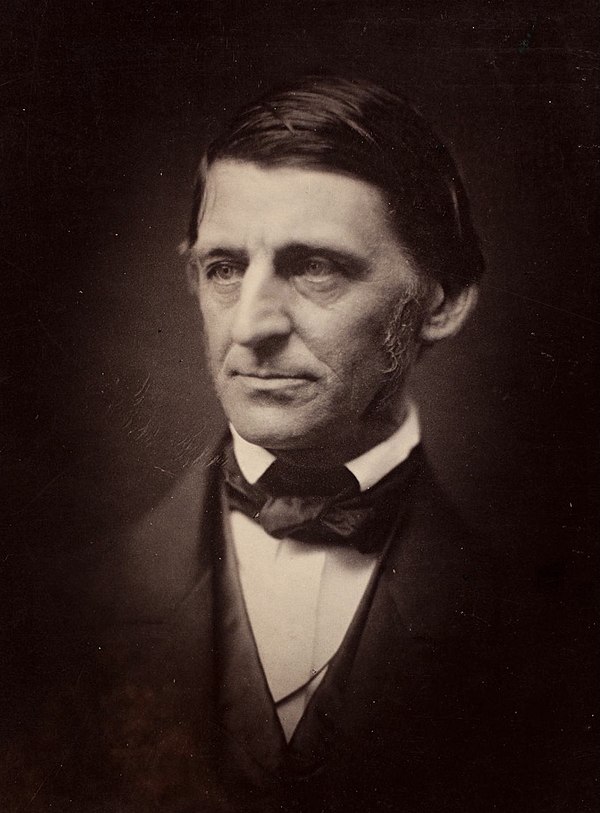
Ralph Waldo Emerson's assertion that "God delights to isolate us every day, and hide from us the past and the future" invites us to reconsider our relationship with time and existence. In this statement, Emerson suggests that the divine orchestrates our experiences in such a way that we are compelled to focus on the present moment, often feeling a sense of isolation from the narratives of our past and the uncertainties of our future. This perspective challenges us to find meaning and connection in the now, emphasizing the importance of presence in a world that often pulls us in multiple directions.
At its core, this quote speaks to the human experience of solitude and the mystery of existence. Emerson's words resonate deeply in a culture that is perpetually distracted by the allure of what has been and what might be. By acknowledging the divine hand in our isolation, we are invited to explore the richness of our immediate experiences, to cultivate a deeper awareness of ourselves and our surroundings, and to embrace the transformative power of the present moment.
The image / the metaphor
Emerson's use of the word "isolate" conjures a vivid image of being set apart, both physically and spiritually. It evokes a sense of being drawn away from the noise of the world, where the past and future fade into the background, leaving us with the stark reality of the present. The verbs "delights" and "hide" suggest an active engagement from the divine, as if God takes joy in our moments of solitude, crafting them as opportunities for introspection and growth. This imagery invites us to consider the beauty that can arise from moments of stillness and reflection.
Diving deeper into the metaphor, isolation can be perceived not merely as a state of loneliness but as a sacred space for self-discovery. In this light, the act of being hidden from the past and future becomes a protective measure, allowing us to shed the burdens of regret and anxiety. Emerson's perspective encourages us to view isolation as a gift, a chance to engage with our inner selves without the distractions of external expectations or societal pressures. This transformative understanding of isolation can lead to profound insights and a more authentic way of being.
In the speaker's tradition
Emerson's thoughts on isolation and the present moment are deeply rooted in the transcendentalist tradition, which emphasizes the inherent goodness of people and nature, as well as the importance of individual intuition. This philosophy aligns with concepts such as "kenosis," the idea of self-emptying, which invites individuals to let go of preconceived notions and embrace the present. In this context, isolation serves as a pathway to deeper understanding and connection with the self and the universe, echoing the transcendentalist belief in the interconnectedness of all beings.
In his essay "Nature," Emerson articulates the idea that true understanding comes from immersing oneself in the natural world and the present moment. He writes, "In the presence of nature, a wild delight runs through the man, in spite of real sorrows." This sentiment reflects the essence of his quote, suggesting that when we allow ourselves to be isolated from the distractions of time, we can experience a profound joy and clarity that transcends our immediate circumstances. Emerson’s work consistently encourages us to seek the divine in the present, to find solace in solitude, and to embrace the mystery of existence.
Living the teaching
Consider a modern scenario where this teaching might resonate: a busy professional who finds themselves overwhelmed by deadlines and expectations. In moments of solitude, perhaps during a quiet lunch break or a solitary walk, they can reflect on their experiences without the weight of past failures or future anxieties. This practice of stepping back allows them to reconnect with their purpose and passion, fostering a sense of clarity and renewal that can transform their approach to work and life.
In the realm of relationships, Emerson's teaching can also be applied during times of conflict or misunderstanding. When faced with a disagreement, taking a moment to isolate oneself—physically or emotionally—can provide the necessary space to reflect on one's feelings and intentions. This pause allows for a deeper understanding of oneself and the other person, paving the way for more compassionate communication. By embracing isolation in these moments, we can cultivate a more profound connection with others, rooted in authenticity and presence.
A reflection
As we contemplate Emerson's assertion, we are invited to consider how we engage with the present moment in our own lives. What does it mean for you to embrace isolation as a pathway to deeper understanding? In what ways can you cultivate a sense of presence, allowing the past and future to recede, even if just for a moment? Reflecting on these questions can lead to a richer experience of life, one that honors the mystery and beauty of each fleeting moment.


