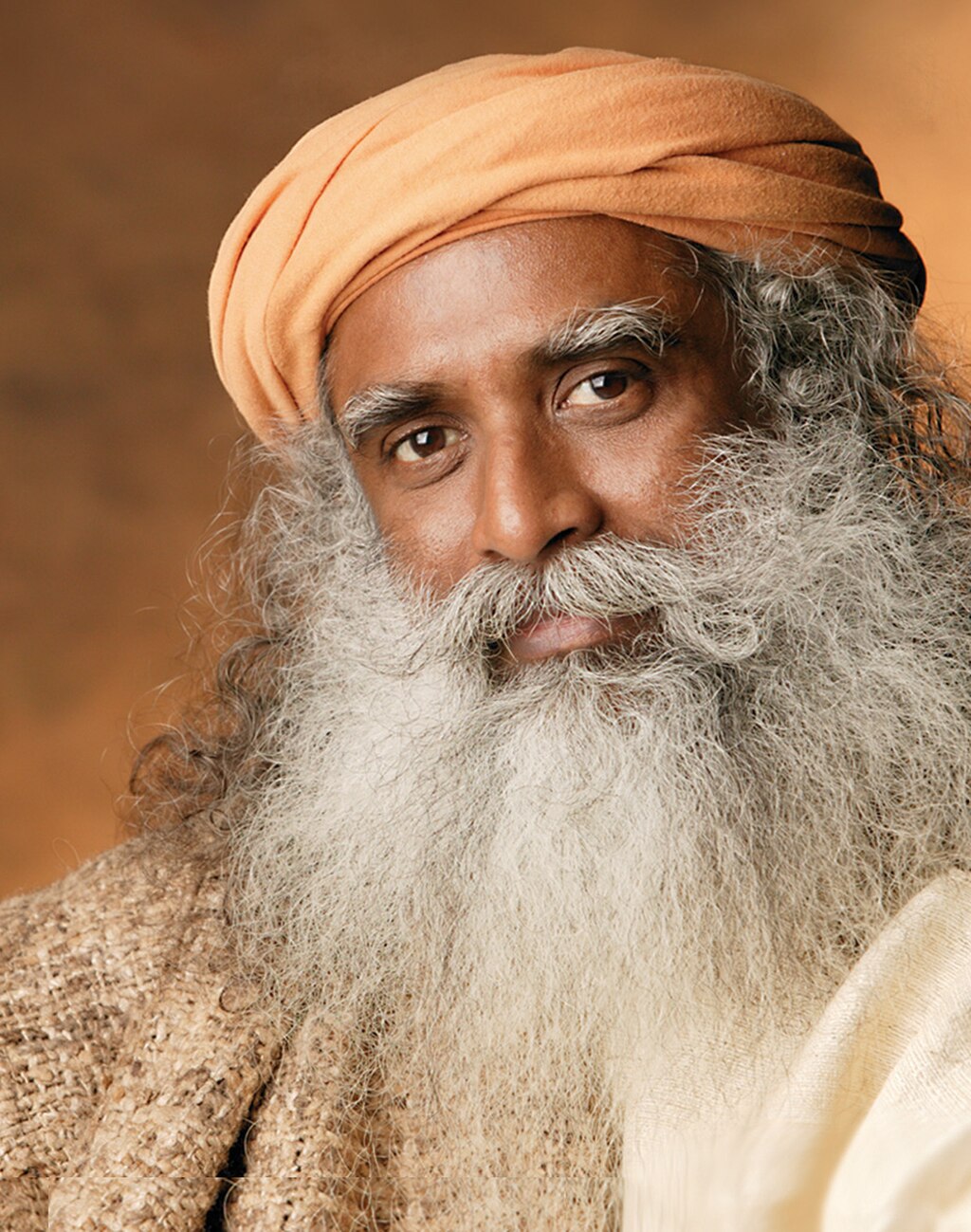
In the words of Sadhguru, "Don't seek to be liked. Seek to be useful." This profound statement invites us to reconsider our motivations and the essence of our interactions with others. In a world often driven by the desire for approval and validation, Sadhguru's guidance serves as a reminder that true fulfillment lies not in the fleeting nature of popularity, but in the enduring impact of our contributions. This shift in focus from seeking external validation to cultivating a spirit of service can transform our relationships and our sense of self.
As we navigate the complexities of modern life, the quest for acceptance can overshadow our innate desire to be of service. The pressure to conform to societal expectations often leads us to prioritize being liked over being genuinely helpful. Sadhguru's teaching encourages us to embrace authenticity and to align our actions with our deeper purpose. By seeking to be useful, we not only enrich the lives of others but also cultivate a more profound sense of self-worth that is rooted in our ability to contribute meaningfully to the world around us.
The image / the metaphor
The imagery in Sadhguru's quote evokes a powerful contrast between the ephemeral nature of being liked and the lasting impact of being useful. The verb "seek" implies an active pursuit, suggesting that our intentions shape our experiences. To "be liked" often hinges on external perceptions, a dance of approval that can be as fickle as the wind. In contrast, to "be useful" calls forth a sense of purpose that transcends personal gain, inviting us to engage with the world in a way that fosters connection and growth.
Diving deeper into this metaphor, we can see that the act of being useful is inherently tied to the concept of service. It implies a willingness to step outside of oneself and to consider the needs of others. This shift from self-centeredness to other-centeredness not only enhances our relationships but also cultivates a sense of belonging and community. In this light, being useful becomes a pathway to authenticity, allowing us to express our true selves in ways that resonate with the needs of those around us.
In the speaker's tradition
Sadhguru's teachings are deeply rooted in the ancient tradition of yoga, which emphasizes the interconnectedness of all beings and the importance of dharma, or righteous duty. In this context, seeking to be useful aligns with the yogic principle of selfless service, or seva. This concept encourages individuals to act not for personal gain but for the benefit of others, fostering a sense of unity and compassion. By embodying this principle, we can transcend the ego's desire for approval and instead cultivate a life of purpose and meaning.
Moreover, this teaching resonates with the Buddhist concept of sunyata, or emptiness, which invites us to let go of attachment to self and to embrace a more expansive view of existence. Just as the sun shines without discrimination, offering warmth and light to all, so too can we strive to be useful without the need for recognition. In this way, Sadhguru's quote serves as a reminder that our true essence is revealed not through the accolades we receive but through the genuine impact we have on the lives of others.
Living the teaching
Consider a modern scenario where this teaching can be applied: a workplace environment filled with competition and ambition. In such a setting, individuals often prioritize being liked by their peers, leading to a culture of superficial interactions and rivalry. However, if one were to shift their focus to being useful—offering assistance, sharing knowledge, and fostering collaboration—the atmosphere could transform. By prioritizing the well-being of the team over personal approval, one not only enhances their own sense of fulfillment but also contributes to a more harmonious and productive workplace.
This principle can also be applied to personal relationships. Imagine a moment of conflict with a loved one, where the desire to be liked might lead to avoidance or insincerity. Instead, approaching the situation with the intention to be useful—by listening actively, offering support, and seeking understanding—can pave the way for deeper connection and resolution. In these moments, the commitment to being useful fosters authenticity, allowing both individuals to grow and learn from the experience, ultimately strengthening their bond.
A reflection
As we reflect on Sadhguru's teaching, we are invited to consider our own motivations in our daily lives. Are we seeking to be liked, or are we striving to be useful? This contemplation can serve as a guiding question, encouraging us to examine our interactions and the intentions behind our actions. By embracing the path of usefulness, we can cultivate a deeper sense of purpose and connection, enriching not only our own lives but also the lives of those around us.