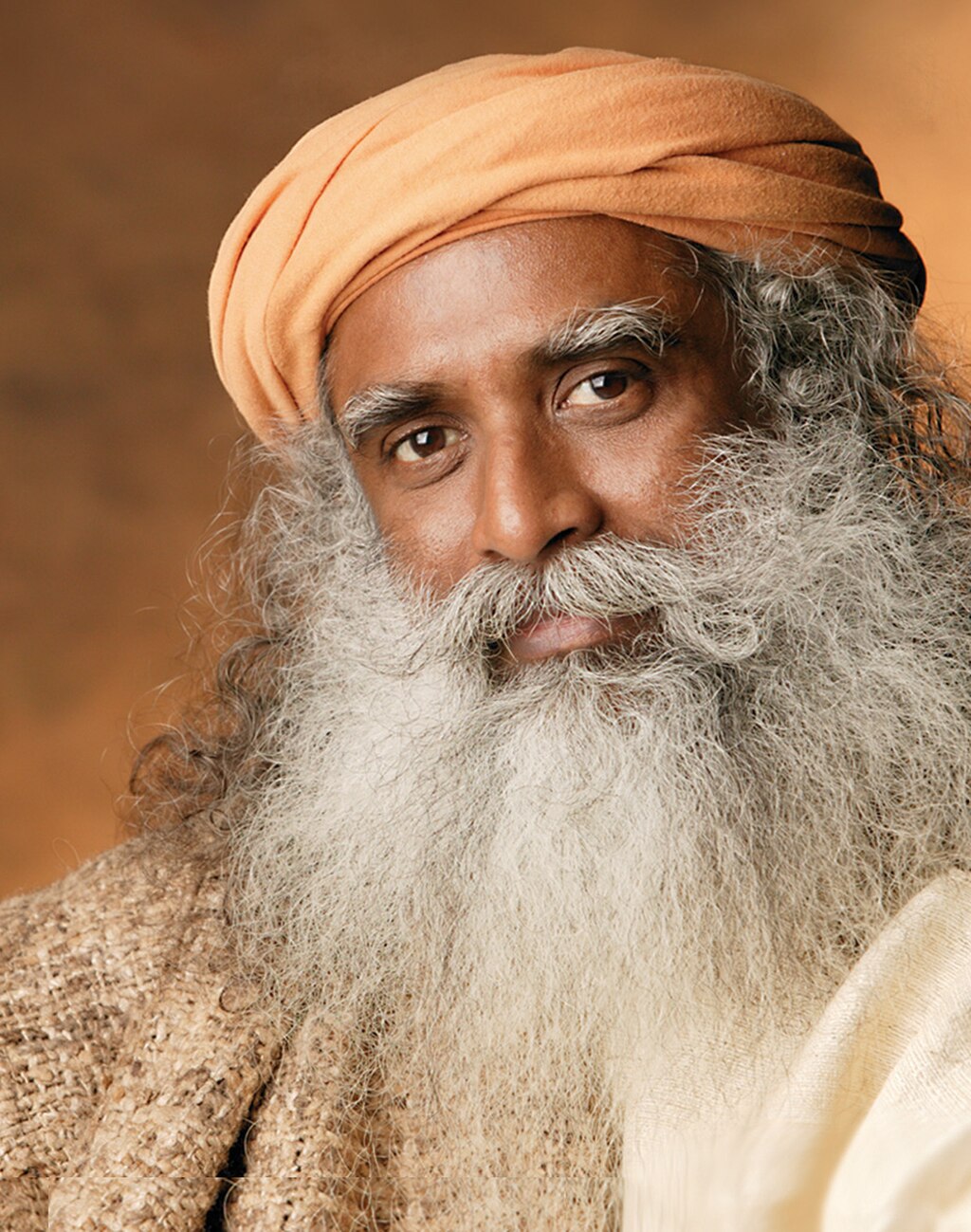
Sadhguru's assertion that "sadhana means tools to do something with yourself" invites us to reconsider the very nature of our spiritual practices. In this context, sadhana is not merely a series of rituals or exercises; it is a profound engagement with the self, a means of transformation that requires intention and effort. This perspective shifts the focus from passive participation to active involvement, emphasizing that the tools we cultivate through sadhana are essential for personal growth and self-realization.
By framing sadhana as tools, Sadhguru highlights the practical aspect of spiritual practice. It suggests that spirituality is not an abstract concept but a tangible process that can be shaped and directed. This understanding is crucial in a world where many seek quick fixes or superficial experiences. Instead, Sadhguru invites us to engage deeply with our inner landscapes, using the tools of sadhana to carve out a path toward authenticity and clarity.
The image / the metaphor
The imagery in Sadhguru's quote evokes a sense of craftsmanship, where the self is both the sculptor and the sculpture. The word "tools" implies a hands-on approach, suggesting that spiritual growth is not a passive experience but an active endeavor. The verbs "do something" indicate movement and action, reinforcing the idea that sadhana is about engaging with our inner world to effect change. This metaphor of crafting oneself resonates deeply, as it positions the practitioner as an artisan of their own life, shaping their identity and purpose through deliberate practice.
Diving deeper into this metaphor, we can see that tools are not inherently good or bad; their value lies in how they are used. Just as a sculptor must learn to wield their tools with skill and intention, so too must we learn to navigate our sadhana with awareness and commitment. This understanding invites us to reflect on the quality of our engagement with these tools—are we using them to build a more authentic self, or are we merely going through the motions? The essence of sadhana lies in this conscious application, where each tool becomes a means to uncover deeper layers of our being.
In the speaker's tradition
Within the tradition of yoga, sadhana encompasses a wide array of practices aimed at self-realization and spiritual awakening. Concepts such as dharma, which refers to one's duty or path, and bhakti, the path of devotion, are intricately linked to the idea of sadhana as tools for transformation. In this context, sadhana serves as a bridge between the individual and the universal, guiding practitioners toward a deeper understanding of their place in the cosmos. The tools of sadhana are thus not just personal instruments; they are also pathways to connect with the greater whole.
In the Yoga Sutras of Patanjali, the practice of sadhana is emphasized as a means to cultivate clarity and insight. The sutras outline various techniques, including meditation and ethical living, which serve as tools to refine the mind and body. This aligns with Sadhguru's perspective, as both emphasize the importance of intentional practice in achieving a state of self-awareness and inner peace. The teachings of the sutras remind us that the journey of sadhana is not merely about personal gain but also about contributing to the collective consciousness.
Living the teaching
Consider a modern scenario where an individual feels overwhelmed by the demands of daily life. In this context, the tools of sadhana—such as mindfulness meditation or breathwork—can serve as vital resources for navigating stress and anxiety. By incorporating these practices into their routine, the individual can cultivate a sense of calm and clarity, transforming their experience from one of chaos to one of centeredness. This practical application of sadhana illustrates how these tools can empower individuals to take charge of their emotional and mental well-being.
A reflection
As we contemplate Sadhguru's assertion that "sadhana means tools to do something with yourself," we are invited to reflect on our own practices and intentions. What tools are we currently utilizing in our spiritual journey, and how effectively are we wielding them? This question encourages us to examine the quality of our engagement with our sadhana, prompting a deeper inquiry into how we can refine our practices to foster genuine transformation. In this way, we can begin to see ourselves not just as passive recipients of spiritual wisdom, but as active participants in our own evolution.