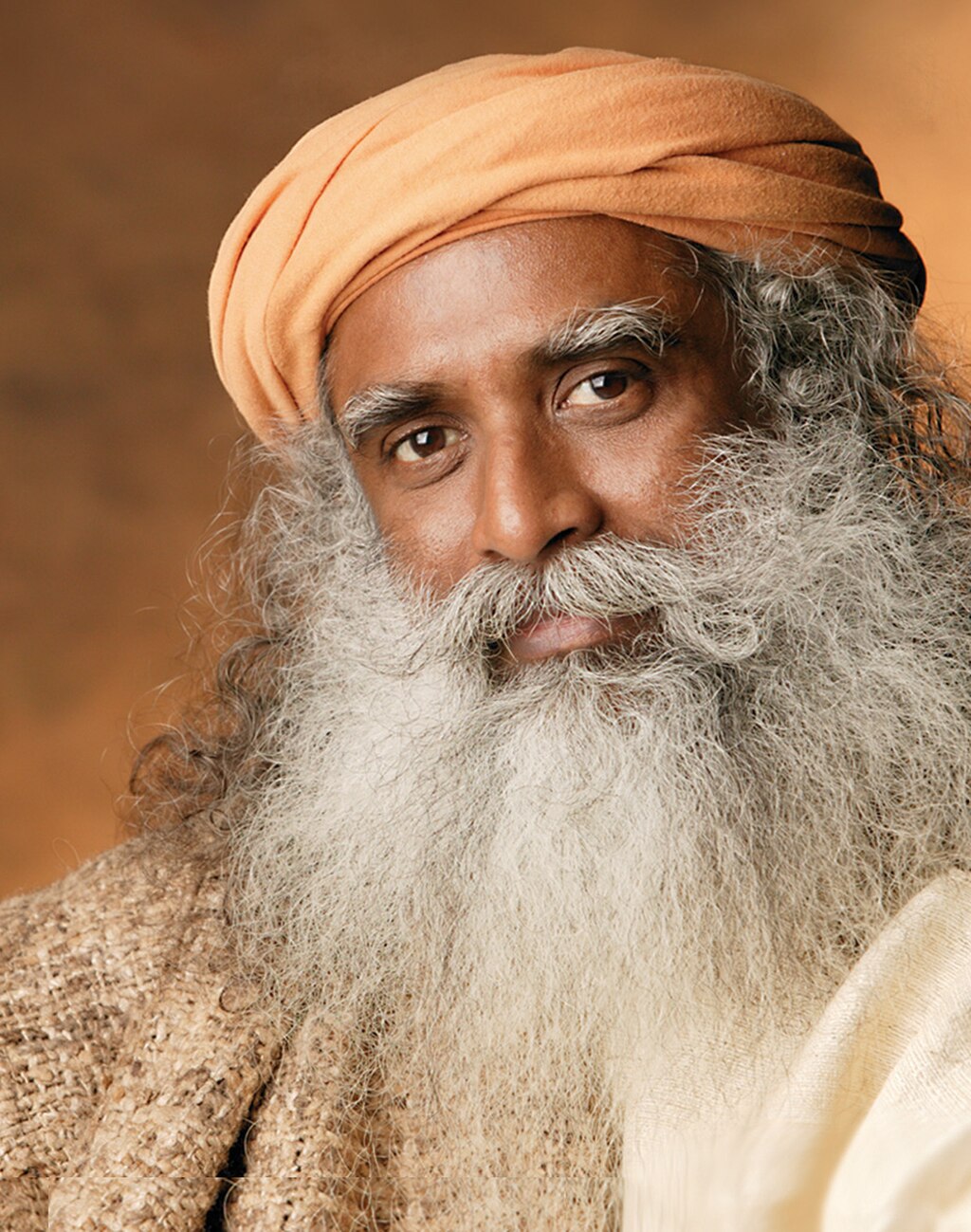
In the words of Sadhguru, "Spiritual process is not about doing something. It is about un-doing." This profound statement invites us to reconsider our approach to spirituality, shifting the focus from action to a deeper state of being. In a world that often equates worth with productivity, this teaching challenges us to explore the essence of our existence, urging us to peel away the layers of conditioning that obscure our true selves. Understanding this distinction is crucial, as it opens the door to a more authentic and fulfilling spiritual journey.
As we delve into the concept of un-doing, we begin to recognize that the spiritual path is less about accumulating knowledge or achievements and more about shedding the illusions that bind us. This process of un-doing is not merely a passive state; it is an active engagement with our inner landscape, a courageous confrontation with the beliefs and habits that no longer serve us. By embracing this perspective, we can cultivate a deeper sense of peace and clarity, allowing our innate wisdom to emerge and guide us.
The image / the metaphor
The imagery inherent in Sadhguru's quote evokes a sense of release and liberation. The verb "un-doing" suggests a gentle unraveling, a process of letting go rather than striving or forcing. It conjures the image of a tightly wound ball of yarn, where each strand represents a belief, expectation, or fear that has been tightly coiled around our essence. To un-do is to carefully unwind these strands, revealing the simplicity and beauty of what lies beneath. This felt sense of un-doing resonates deeply with those who have experienced the burdens of societal expectations and personal limitations.
In the speaker's tradition
Situated within the rich tradition of yoga, Sadhguru's teaching on un-doing resonates with several key concepts, such as dharma, the natural order of the universe, and kenosis, the act of self-emptying. In yoga philosophy, the journey toward self-realization often involves relinquishing attachments and desires that cloud our perception. This aligns with the notion of sunyata, or emptiness, which invites practitioners to recognize the transient nature of existence and the liberation that comes from letting go of the ego's grasp. In this context, un-doing becomes a pathway to discovering our true dharma, or purpose, in the world.
Furthermore, the teachings of bhakti, or devotion, emphasize surrendering the self to a higher power, which complements the idea of un-doing. By relinquishing our need to control and achieve, we open ourselves to the divine flow of life. A relevant text that echoes this sentiment is the Bhagavad Gita, where Krishna advises Arjuna to perform his duty without attachment to the fruits of his actions. This guidance underscores the importance of un-doing our attachment to outcomes, allowing us to engage with life more fully and authentically.
Living the teaching
Consider a modern scenario where the teaching of un-doing can be applied: a professional feeling overwhelmed by the demands of work. In the pursuit of success, they may find themselves caught in a cycle of constant doing—meetings, deadlines, and expectations. By embracing the concept of un-doing, this individual can begin to recognize the need to step back, reassess their priorities, and let go of the relentless drive for achievement. This shift allows for a more balanced approach to work, fostering creativity and well-being.
In the realm of relationships, un-doing can manifest as the practice of letting go of preconceived notions and judgments about others. Imagine a couple facing conflict, each holding tightly to their perspectives. By engaging in the process of un-doing, they can learn to release their rigid beliefs and open themselves to understanding each other's experiences. This act of vulnerability not only deepens their connection but also cultivates an environment of compassion and acceptance, allowing love to flourish.
A reflection
As we contemplate Sadhguru's insight into the spiritual process of un-doing, we are invited to reflect on our own lives. What layers of conditioning or expectation are we ready to release in order to uncover our true selves? This question serves as a gentle prompt for introspection, encouraging us to explore the areas where we may be clinging too tightly and to consider the freedom that awaits us in the act of letting go.