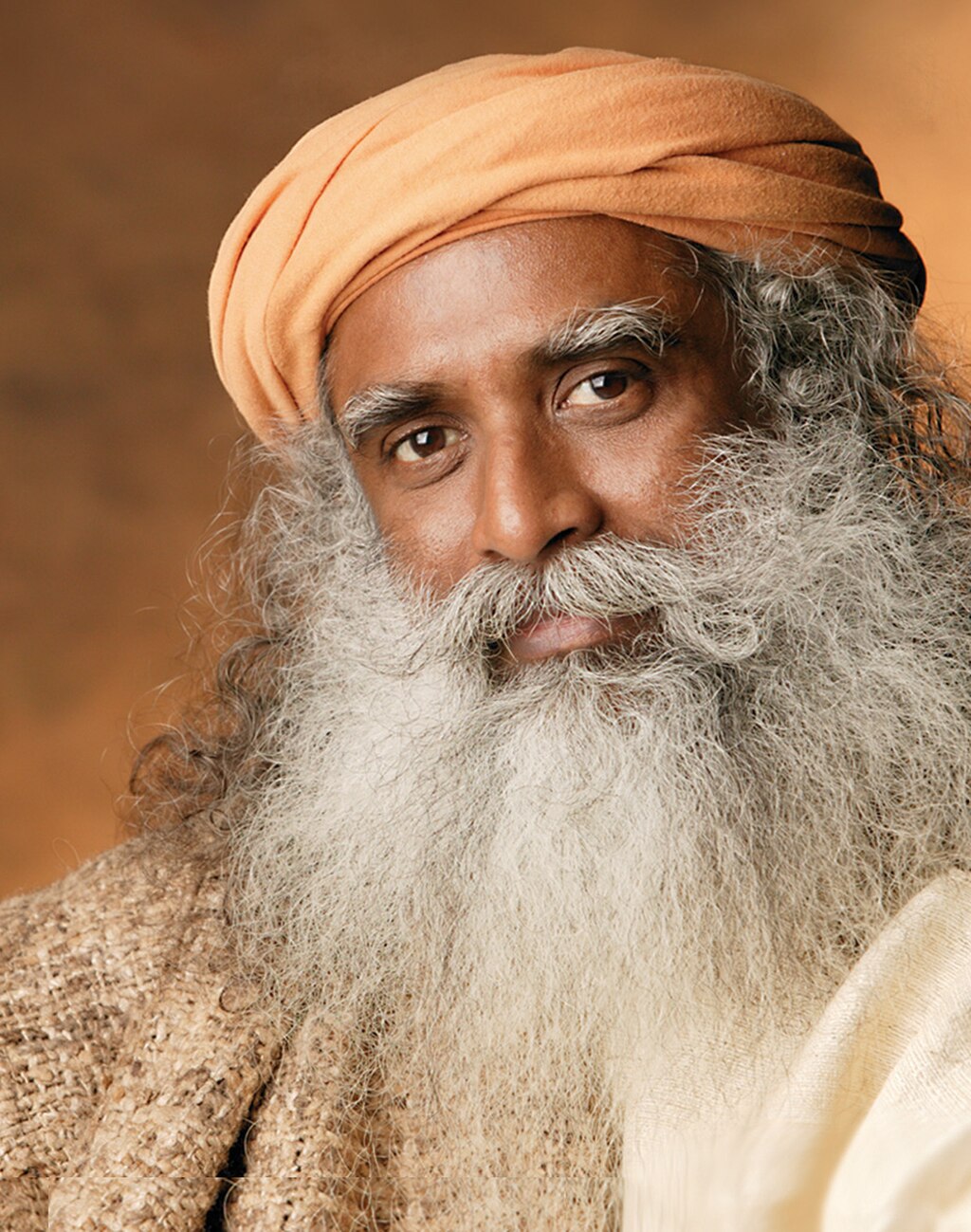
Sadhguru's assertion that "spirituality is not a disability. It is a way of becoming a fuller human being" invites us to reconsider the common misconceptions surrounding spirituality. Often perceived as an escape or a retreat from the complexities of life, spirituality is instead a profound engagement with our humanity. This perspective is vital in a world that frequently equates spiritual pursuits with weakness or avoidance. By embracing spirituality, we can cultivate a richer, more integrated existence, one that honors both our inner and outer worlds.
In a society that often prioritizes material success and external validation, Sadhguru's words serve as a gentle reminder of the deeper dimensions of our being. Spirituality, rather than being a crutch or a limitation, is a pathway to wholeness. It encourages us to explore our true nature, fostering a sense of connection to ourselves and the universe. This journey is not merely about personal growth; it is about realizing our interconnectedness with all life, which ultimately enriches our experience as human beings.
The image / the metaphor
The imagery embedded in Sadhguru's quote evokes a sense of movement and transformation. The term "becoming" suggests an ongoing process, a journey rather than a destination. It implies that spirituality is not a static state but a dynamic unfolding of our potential. The contrast between "disability" and "fuller human being" highlights the misconception that spirituality might limit us, when in fact, it is a means of expanding our horizons and deepening our understanding of existence.
In the speaker's tradition
Within the context of yoga, Sadhguru's perspective resonates with the concept of dharma, which refers to one's duty or path in life. Spirituality, in this sense, is not an escape from our responsibilities but an essential aspect of fulfilling our dharma. By engaging with our spiritual selves, we align with our true purpose, allowing us to navigate life's challenges with grace and clarity. This alignment fosters a sense of wholeness, integrating our spiritual, emotional, and physical dimensions.
Moreover, Sadhguru's teaching echoes the idea of kenosis, or self-emptying, found in various spiritual traditions. This process of letting go of the ego and embracing a more expansive identity allows us to connect with the essence of who we are. In the yogic texts, such as the Bhagavad Gita, we find similar themes of self-realization and the importance of inner growth as a means to fulfill our roles in the world. The Gita teaches that true action arises from a place of inner stillness and understanding, reinforcing Sadhguru's assertion that spirituality enriches our humanity.
Living the teaching
Consider a modern scenario where an individual faces the pressures of a demanding job. In this context, the notion that spirituality is a disability might manifest as a reluctance to engage in practices like meditation or mindfulness, perceived as distractions from productivity. However, by embracing spirituality as a means of becoming a fuller human being, this individual could discover that these practices enhance focus, creativity, and resilience. Rather than detracting from their work, spirituality could provide the grounding necessary to navigate challenges with greater ease.
In relationships, the application of Sadhguru's teaching can be equally transformative. Imagine a couple facing communication difficulties. If one partner views spirituality as a weakness, they may shy away from expressing their feelings or seeking deeper understanding. However, by recognizing that spirituality fosters wholeness, both partners can engage in practices that promote empathy and connection. This shift in perspective allows them to approach their relationship with a sense of openness and vulnerability, ultimately enriching their bond and enhancing their shared experience.
A reflection
As we contemplate Sadhguru's profound insight, we are invited to reflect on our own relationship with spirituality. Are there areas in your life where you perceive spirituality as a limitation rather than a source of strength? What practices or beliefs might you explore to deepen your understanding of what it means to be a fuller human being? Allow these questions to guide you on your journey toward wholeness, as you embrace the transformative power of spirituality in your life.