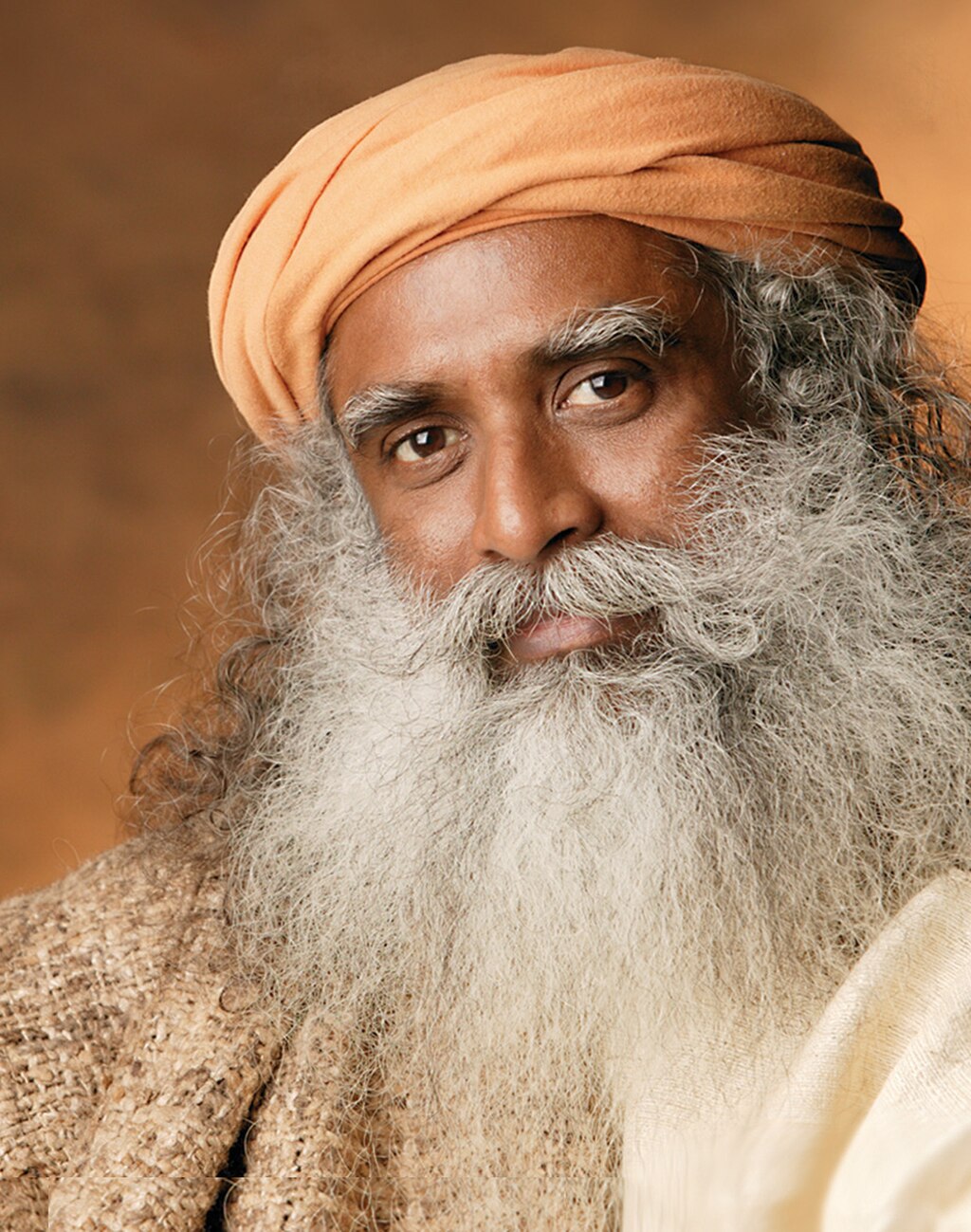
The quote by Sadhguru, "The body is the temple. Tend to it," invites us to recognize the profound significance of our physical form as a sacred space. In a world often preoccupied with the ephemeral, this statement serves as a poignant reminder of the importance of caring for our bodies, not merely as vessels for our existence but as integral components of our spiritual journey. By tending to our bodies, we cultivate a deeper connection to ourselves and the universe, fostering a holistic approach to well-being that encompasses both the physical and the spiritual.
In this context, Sadhguru's words resonate with a call to mindfulness and intentionality in how we engage with our bodies. The act of tending to our physical selves is not just about health or aesthetics; it is an invitation to honor the sacredness of our being. This perspective challenges us to shift our understanding of self-care from a superficial endeavor to a profound practice of reverence and respect for the life force that animates us. By embracing this holistic view, we can begin to see our bodies as not only a temple but also a bridge to deeper spiritual truths.
The image / the metaphor
At first glance, the metaphor of the body as a temple evokes a vivid image of sacred architecture, a place where the divine resides. The choice of the word "tend" suggests an active, nurturing engagement rather than passive acceptance. It implies that care is not just a duty but a sacred responsibility, one that requires attention, love, and dedication. This imagery invites us to visualize our bodies as sanctuaries, deserving of respect and care, where the spirit can flourish and thrive.
Diving deeper into this metaphor, we can explore the implications of viewing our bodies as temples. Temples are not merely structures; they are spaces of worship, reflection, and connection to the divine. When we treat our bodies as such, we acknowledge that they are not separate from our spiritual lives but are integral to them. This perspective encourages us to cultivate practices that honor our physical form—through mindful eating, movement, and rest—thereby creating a harmonious relationship between body and spirit. In this way, tending to our bodies becomes a sacred act of devotion.
In the speaker's tradition
Sadhguru's teachings are deeply rooted in the tradition of yoga, which emphasizes the interconnectedness of body, mind, and spirit. Within this framework, the concept of dharma—one's duty or path—plays a crucial role in understanding how we relate to our bodies. By recognizing our bodies as temples, we align ourselves with our dharma, acknowledging that caring for our physical selves is essential to fulfilling our purpose in life. This holistic approach is echoed in various yogic texts, which advocate for the cultivation of both physical and spiritual well-being.
In the Yoga Sutras of Patanjali, for instance, the practice of asana (physical postures) is not merely about physical fitness but serves as a means to prepare the body for meditation and spiritual growth. This aligns with Sadhguru's assertion that tending to the body is a vital aspect of our spiritual journey. By nurturing our physical form, we create a stable foundation for deeper exploration of the self, ultimately leading to greater awareness and enlightenment.
Living the teaching
Consider a modern scenario where this teaching can be applied: a busy professional juggling work, family, and personal commitments. In the midst of this whirlwind, it is easy to neglect the body, viewing it as a mere tool for productivity. However, by embracing the idea that "the body is the temple," this individual can begin to prioritize self-care practices such as regular exercise, nutritious meals, and adequate rest. This shift in perspective transforms daily routines into sacred rituals, fostering a sense of balance and well-being that enhances both personal and professional life.
Another application of this teaching can be found in relationships. Imagine a moment of conflict with a loved one, where emotions run high and communication falters. By grounding oneself in the understanding that the body is a temple, one can approach the situation with greater mindfulness. Taking a moment to breathe deeply, to feel the sensations in the body, and to cultivate a sense of calm can create space for compassion and understanding. This practice not only nurtures the individual but also fosters healthier interactions, reinforcing the idea that tending to our bodies ultimately enriches our connections with others.
A reflection
As we contemplate Sadhguru's profound statement, we are invited to reflect on our own relationship with our bodies. How do we currently tend to our physical selves, and in what ways can we deepen this practice? This question encourages us to explore the sacredness of our bodies and to consider how nurturing this temple can lead to greater harmony within ourselves and in our interactions with the world around us. In this journey of self-discovery, may we find the courage to honor our bodies as the sacred vessels they truly are.