The Joy of Expression: A Journey Beyond Seeking
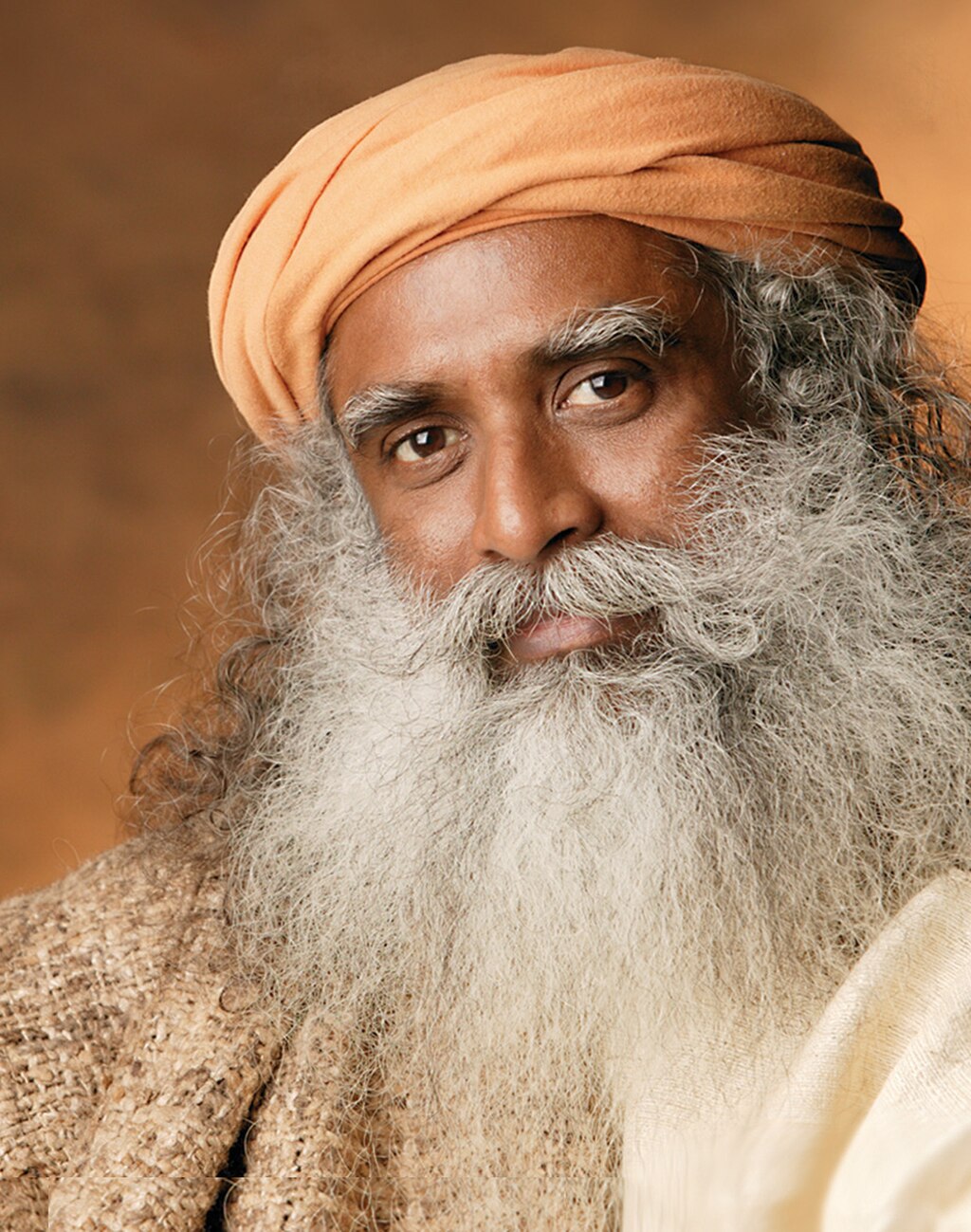
Sadhguru's assertion that "the most beautiful moments in life are moments when you are expressing your joy, not seeking it" invites us to reconsider our relationship with joy itself. In a world often characterized by a relentless pursuit of happiness, this statement serves as a gentle reminder that true joy arises from within, manifesting in our actions rather than being a distant goal to chase. The stakes are high; understanding this distinction can transform our experience of life, shifting our focus from external validation to internal fulfillment.
At its core, this quote challenges the conventional wisdom that equates happiness with acquisition or achievement. Instead, it suggests that joy is an inherent quality of our being, waiting to be expressed rather than sought after. This perspective not only liberates us from the burdens of expectation but also encourages a more profound engagement with our lives, where moments of joy become spontaneous expressions of our true selves rather than fleeting rewards for our efforts.
The image / the metaphor
The imagery in Sadhguru's quote is rich and evocative, contrasting the act of expressing joy with the often fruitless endeavor of seeking it. The verbs "expressing" and "seeking" create a dynamic interplay; to express is to release, to share, and to connect, while to seek implies a quest, a longing that can lead to frustration. This distinction evokes a felt sense of liberation, suggesting that joy is not a destination but a state of being that can be accessed through our actions and interactions.
Diving deeper into the metaphor, we can envision joy as a vibrant energy that flows through us, waiting for the right conditions to emerge. When we express joy, we become conduits of this energy, allowing it to ripple outward and touch the lives of others. In contrast, seeking joy can often feel like chasing shadows, an endless pursuit that leaves us feeling empty and unfulfilled. This shift from seeking to expressing invites us to cultivate a more authentic relationship with our emotions, one that honors the natural ebb and flow of joy in our lives.
In the speaker's tradition
Situated within the tradition of yoga, Sadhguru's insight resonates deeply with the concepts of dharma and bhakti. Dharma, often understood as one's duty or path, encourages us to align our actions with our true nature, while bhakti emphasizes devotion and the expression of love. Both concepts underscore the importance of living authentically and joyfully, suggesting that when we act in accordance with our true selves, joy naturally follows. This alignment fosters a sense of fulfillment that transcends the superficial pursuits of happiness.
Moreover, Sadhguru's teachings echo the wisdom found in ancient texts such as the Bhagavad Gita, where the idea of selfless action (karma yoga) is celebrated. In this text, Krishna advises Arjuna to perform his duty without attachment to the fruits of his actions, which aligns closely with the notion of expressing joy rather than seeking it. By focusing on the act of expression, we cultivate a deeper connection to our purpose and the world around us, allowing joy to flourish organically.
Living the teaching
Consider a modern scenario where this teaching can be applied: imagine a workplace filled with stress and competition. In such an environment, employees often find themselves seeking recognition and success, leading to burnout and dissatisfaction. However, if individuals were to shift their focus toward expressing joy in their work—through collaboration, creativity, and genuine connection with colleagues—they would likely find that joy becomes a natural byproduct of their efforts. This shift not only enhances personal well-being but also fosters a more positive and productive workplace culture.
In a different context, think about relationships where the pursuit of happiness can sometimes lead to misunderstandings and unmet expectations. When partners focus on expressing their joy—through acts of kindness, shared experiences, and open communication—they create a nurturing space that allows love to flourish. In moments of difficulty, rather than seeking validation or reassurance, they can turn inward and express their joy, which can transform the dynamic and deepen their connection. This practice of expression over seeking cultivates resilience and intimacy, enriching the relationship as a whole.
A reflection
As we contemplate Sadhguru's profound insight, we are invited to reflect on our own lives: in what areas are we seeking joy rather than expressing it? This question encourages us to examine our motivations and actions, prompting a deeper understanding of how we engage with the world. By shifting our focus from seeking to expressing, we may discover that joy is not a distant goal but a vibrant presence that can be accessed in every moment, waiting to be shared and celebrated.