The Path Beyond the Self
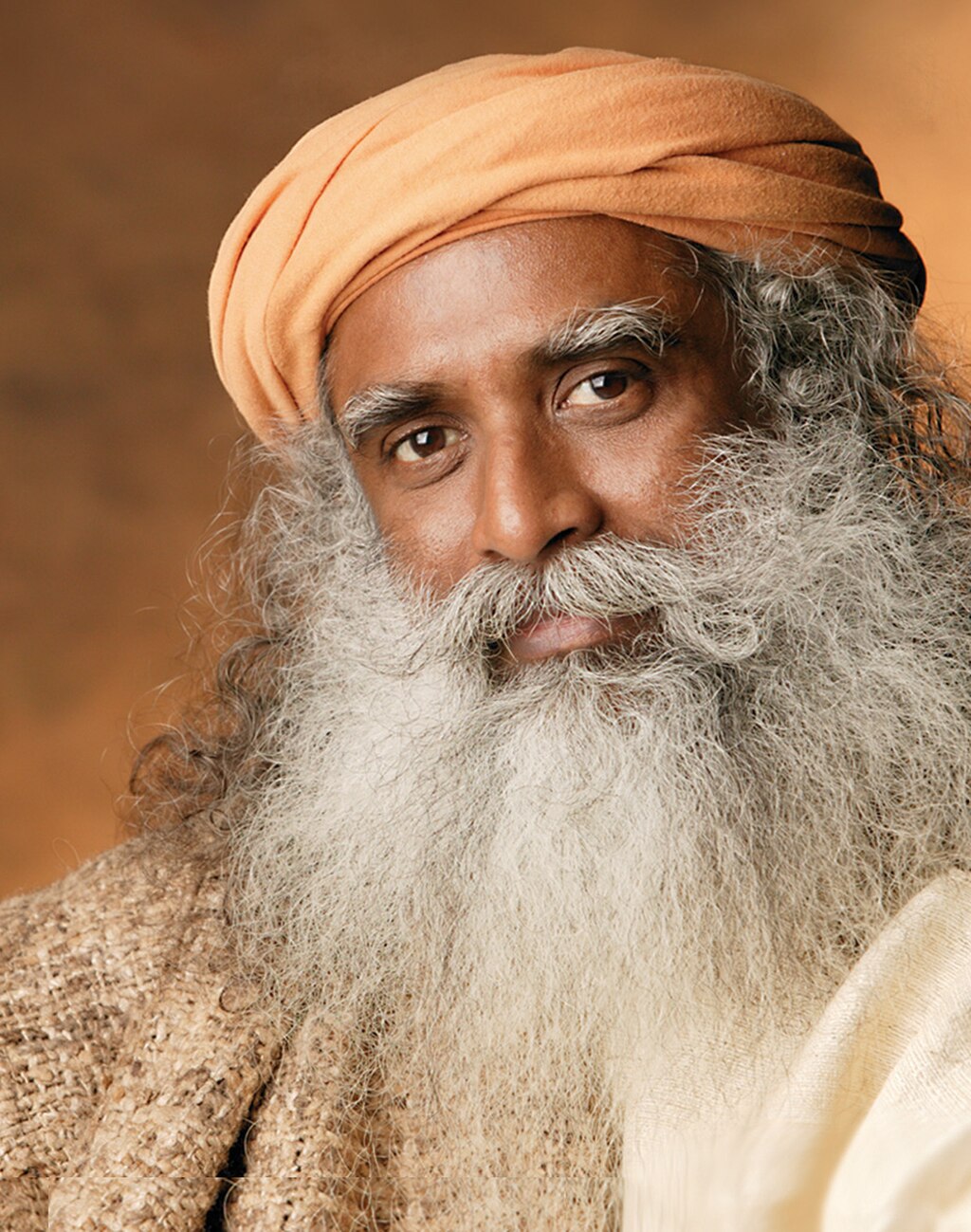
In the profound words of Sadhguru, "There is no such thing as my way; there is only the way." This statement invites us to transcend the confines of personal ego and individual perspective, urging us to recognize a universal path that connects all beings. The stakes are high: to cling to our own way is to remain ensnared in the illusions of separation and individuality, while embracing the way opens us to a deeper understanding of truth and interconnectedness. This teaching challenges us to reconsider our assumptions about identity, purpose, and the nature of existence itself.
As we delve into this quote, we find a call to humility and surrender. It suggests that the journey of life is not about asserting our personal desires or preferences, but rather about aligning ourselves with a greater truth that transcends our limited viewpoints. This perspective invites us to explore the essence of our being, to question the narratives we construct around ourselves, and to seek a more profound connection with the world around us. In doing so, we may discover that the way is not a rigid path but a fluid, dynamic process of unfolding and becoming.
The image / the metaphor
At its core, Sadhguru's quote employs a striking metaphor that juxtaposes the personal against the universal. The phrase "my way" evokes a sense of ownership and individuality, suggesting a path defined by personal desires, experiences, and beliefs. In contrast, "the way" implies a singular, collective journey that transcends individual narratives. The verbs chosen—"is" and "there is"—imply a state of being that is absolute and unchanging, inviting us to recognize the constancy of this universal path amidst the ever-shifting landscape of our personal lives.
Diving deeper into the metaphor, we can see that the notion of "the way" resonates with the idea of a river flowing toward the ocean. Each individual life is like a tributary, with its own twists and turns, yet ultimately contributing to a larger body of water. The river does not resist its course; it flows naturally toward its destination. In this sense, Sadhguru's teaching encourages us to let go of the need to control our journey and instead trust in the inherent wisdom of the way itself. This surrender to the flow of life can lead to profound transformation and liberation.
In the speaker's tradition
Within the tradition of yoga, Sadhguru's teaching aligns closely with concepts such as dharma and sunyata. Dharma refers to the natural order of the universe and the path of righteousness that each individual is called to follow. By recognizing that "there is only the way," we acknowledge that our personal desires must align with this greater cosmic order. Sunyata, or emptiness, further emphasizes the idea that our individual identities are constructs that can obscure our connection to the universal truth. In surrendering our ego-driven narratives, we can experience the profound emptiness that allows for true connection and understanding.
Moreover, this teaching echoes the wisdom found in the Bhagavad Gita, where Krishna instructs Arjuna to act according to his dharma without attachment to the fruits of his actions. This notion of selfless action is a cornerstone of yoga philosophy, inviting practitioners to engage with life fully while relinquishing the need for personal gain. By embracing the way, we align ourselves with a higher purpose, allowing our actions to flow from a place of authenticity and interconnectedness rather than ego-driven desires.
Living the teaching
Consider a modern scenario where this teaching can be applied: a workplace conflict. Imagine two colleagues who are at odds over a project, each insisting on their own approach. In this situation, the teaching of "there is only the way" invites both individuals to step back from their egos and consider the collective goal of the project. By focusing on the shared purpose rather than personal preferences, they can collaborate more effectively, ultimately leading to a solution that benefits everyone involved. This shift from "my way" to "the way" fosters a spirit of cooperation and unity.
In a different context, think about a relationship facing challenges. One partner may feel that their needs are not being met, leading to frustration and resentment. By embracing the idea that "there is only the way," both partners can engage in open communication, seeking to understand each other's perspectives and needs. This approach encourages them to move beyond their individual desires and work together toward a shared vision of their relationship, fostering deeper intimacy and connection. In daily practice, this teaching can manifest as a commitment to active listening and empathy, allowing love to flourish in the space between self and other.
A reflection
As we contemplate Sadhguru's profound insight, we are invited to reflect on our own lives: In what areas do we cling to the illusion of "my way," and how might we open ourselves to "the way"? This question encourages us to examine the narratives we hold about ourselves and our paths, inviting a deeper exploration of our connections to others and the world around us. By embracing the way, we can cultivate a sense of belonging and purpose that transcends the limitations of our individual experiences, leading us toward a more harmonious existence.