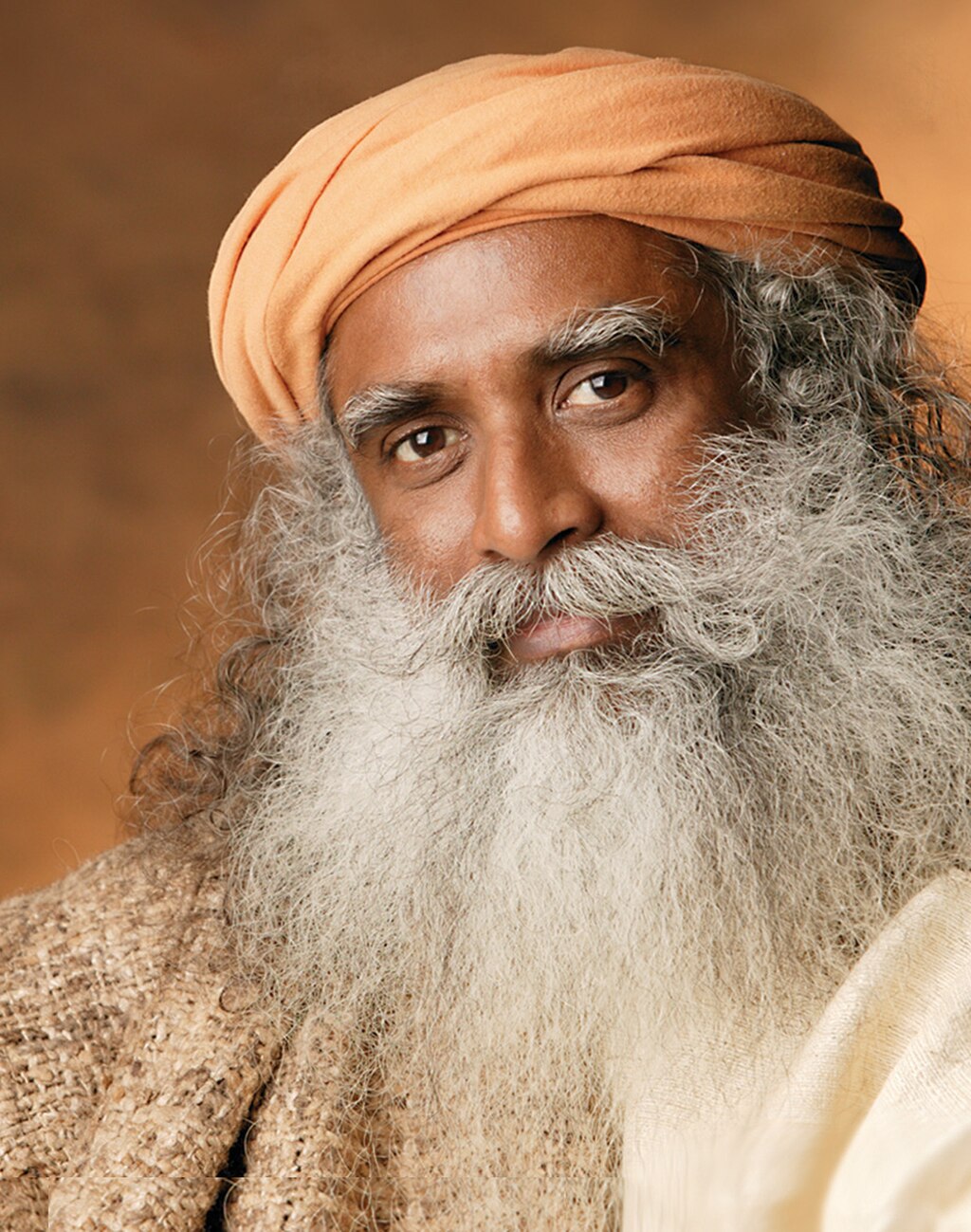
In the poignant words of Sadhguru, "You are the only one who is keeping yourself in bondage." This statement invites us to reflect on the nature of our limitations, suggesting that the barriers we face are often self-constructed. It compels us to examine the internal narratives and beliefs that confine us, urging a deeper inquiry into the essence of freedom. Understanding this concept is crucial, as it not only illuminates the path to liberation but also empowers us to reclaim our agency in life.
As we delve deeper into this quote, we uncover layers of meaning that resonate with the human experience. The notion of bondage evokes feelings of entrapment, while the idea of self suggests an intimate relationship with our thoughts and emotions. Sadhguru's insight challenges us to confront the uncomfortable truth that our suffering may stem from our own choices and perceptions. By recognizing our role in creating our limitations, we open the door to profound transformation and the possibility of living a more liberated existence.
The image / the metaphor
The imagery in Sadhguru's quote is striking, evoking a sense of confinement that many of us can relate to. The word "bondage" conjures up feelings of restriction, as if we are shackled by invisible chains forged from our fears, doubts, and past experiences. The verb "keeping" implies an active role in this process, suggesting that we are not merely victims of circumstance but rather participants in our own entrapment. This realization can be both liberating and daunting, as it places the responsibility for our freedom squarely in our hands.
Diving deeper into the metaphor, we can see that the bondage Sadhguru speaks of is not just physical but psychological and emotional. It represents the mental constructs that limit our potential and the self-imposed barriers that prevent us from experiencing life fully. By recognizing that we are the architects of our own confinement, we can begin to dismantle these structures, brick by brick. This process requires courage and introspection, as we must confront the beliefs and patterns that have shaped our identities and choices.
In the speaker's tradition
Sadhguru's teachings are rooted in the ancient tradition of yoga, which emphasizes the interconnectedness of body, mind, and spirit. Central to this tradition is the concept of dharma, or one's true path, which invites individuals to align their actions with their authentic selves. The bondage we experience often arises from a disconnection between our inner truth and our external reality. By embracing practices such as meditation and self-inquiry, we can cultivate awareness and begin to dissolve the barriers that hinder our spiritual growth.
A relevant text that echoes this sentiment is the Bhagavad Gita, where Lord Krishna imparts wisdom on the nature of self and duty. In Chapter 2, Verse 47, Krishna advises Arjuna to focus on his actions without attachment to the results, highlighting the importance of inner freedom. This teaching aligns with Sadhguru's assertion that we are responsible for our own bondage; by letting go of attachment and embracing our true nature, we can transcend the limitations we impose on ourselves.
Living the teaching
Consider a modern scenario where this teaching can be applied: a professional feeling trapped in a job that no longer fulfills them. They may believe that external circumstances, such as financial obligations or societal expectations, dictate their choices. However, by reflecting on Sadhguru's words, they can begin to recognize that their sense of bondage is rooted in their own beliefs about security and success. This realization can empower them to explore new opportunities, take calculated risks, and ultimately pursue a path that aligns with their true passions.
In the realm of relationships, this teaching can manifest in moments of conflict or dissatisfaction. A person may feel bound by patterns of communication that lead to misunderstandings or resentment. By internalizing Sadhguru's message, they can take responsibility for their role in these dynamics, choosing to engage in open dialogue and vulnerability. This shift in perspective not only fosters personal growth but also paves the way for deeper connections and a more authentic expression of love.
A reflection
As we contemplate Sadhguru's profound insight, we are invited to ask ourselves: In what areas of my life am I holding myself in bondage? This question encourages a deep exploration of our beliefs, fears, and habits, prompting us to identify the self-imposed limitations that may be hindering our growth. By engaging with this inquiry, we can begin to dismantle the chains that bind us, paving the way for a more liberated and authentic existence.