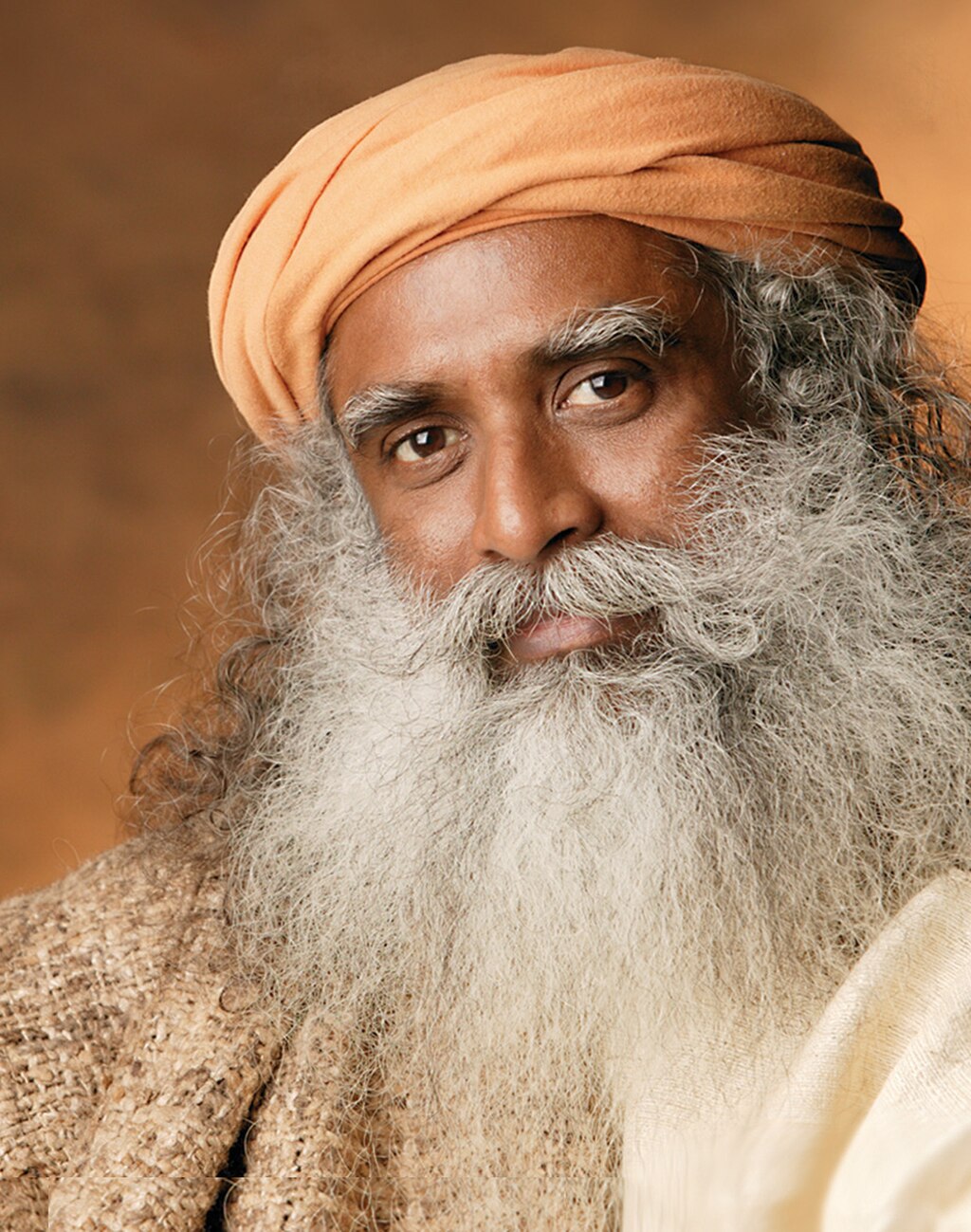
Sadhguru's poignant assertion, "You don't have to die to find God. Just close your eyes," invites us to explore the profound depths of our own consciousness. In a world often preoccupied with external validation and material pursuits, this quote serves as a gentle reminder that the divine is not a distant entity to be sought after in the afterlife, but rather an intimate presence that resides within us. The stakes of this realization are significant; it challenges us to shift our focus from the external to the internal, urging us to cultivate a relationship with the divine that is immediate and accessible.
By suggesting that we can find God simply by closing our eyes, Sadhguru emphasizes the power of interiority and introspection. This act of closing our eyes symbolizes a retreat from the distractions of the outside world, allowing us to turn our gaze inward. It is an invitation to embark on a journey of self-discovery, where the barriers between the self and the divine dissolve. This teaching resonates deeply in a contemporary context, where many seek fulfillment in external achievements, often overlooking the richness of their inner landscape.
The image / the metaphor
The imagery in Sadhguru's quote is strikingly simple yet profoundly evocative. Closing one's eyes is a universal gesture associated with introspection, meditation, and surrender. It suggests a deliberate act of turning away from the chaos of the external world, creating a sacred space for inner exploration. The verb "find" implies an active pursuit, yet it is juxtaposed with the ease of simply closing one's eyes, highlighting that the divine is not something to be chased or grasped but rather something to be revealed through stillness and presence.
Diving deeper into the metaphor, the act of closing one's eyes can be seen as a symbolic shedding of the layers of identity and distraction that often cloud our perception of the divine. In this state of interiority, we are invited to confront our thoughts, emotions, and beliefs, allowing us to peel back the layers that obscure our true nature. This metaphor serves as a reminder that the journey to God is not about physical distance but about the inner journey of self-awareness and acceptance.
In the speaker's tradition
Sadhguru's teachings are rooted in the ancient tradition of yoga, which emphasizes the importance of self-realization and the interconnectedness of all beings. Concepts such as dharma, or one's duty, and prajna, or wisdom, are integral to understanding the path he outlines. In this context, finding God within oneself aligns with the yogic principle of recognizing the divine essence that permeates all existence. This journey inward is not merely a personal endeavor but a collective awakening to our shared humanity and divinity.
In the yogic texts, particularly the Upanishads, there is a recurring theme of the search for the ultimate reality, often referred to as Brahman. The Upanishads teach that this ultimate reality is not separate from us but is, in fact, our true nature. Sadhguru's assertion echoes this wisdom, suggesting that by turning inward, we can access the divine that is already present within us, thus bridging the gap between the seeker and the sought.
Living the teaching
Consider a modern scenario where this teaching can be applied: a busy professional overwhelmed by the demands of work and life. In the midst of deadlines and responsibilities, the idea of finding God by simply closing one's eyes may seem far-fetched. Yet, taking a few moments each day to pause, close the eyes, and breathe deeply can transform the experience of stress into a moment of connection with the self. This practice of mindfulness allows for a reconnection with one's inner peace, fostering a sense of clarity and purpose amidst the chaos.
Another application of this teaching can be found in relationships, particularly during moments of conflict or misunderstanding. When tensions rise, the instinct may be to react outwardly, seeking validation or resolution through external means. However, by closing one's eyes and taking a moment to breathe, individuals can cultivate a space for reflection and empathy. This practice encourages a deeper understanding of oneself and the other, allowing for a more compassionate response that honors the divine presence in both parties.
A reflection
As we contemplate Sadhguru's profound invitation to find God within, we are left with a contemplative question: What does it mean for you to close your eyes and turn inward in your own life? In a world that often demands our attention outwardly, how might this simple act of introspection lead to a deeper understanding of your own divine essence? Reflecting on these questions can open pathways to greater self-awareness and connection with the sacred that resides within us all.