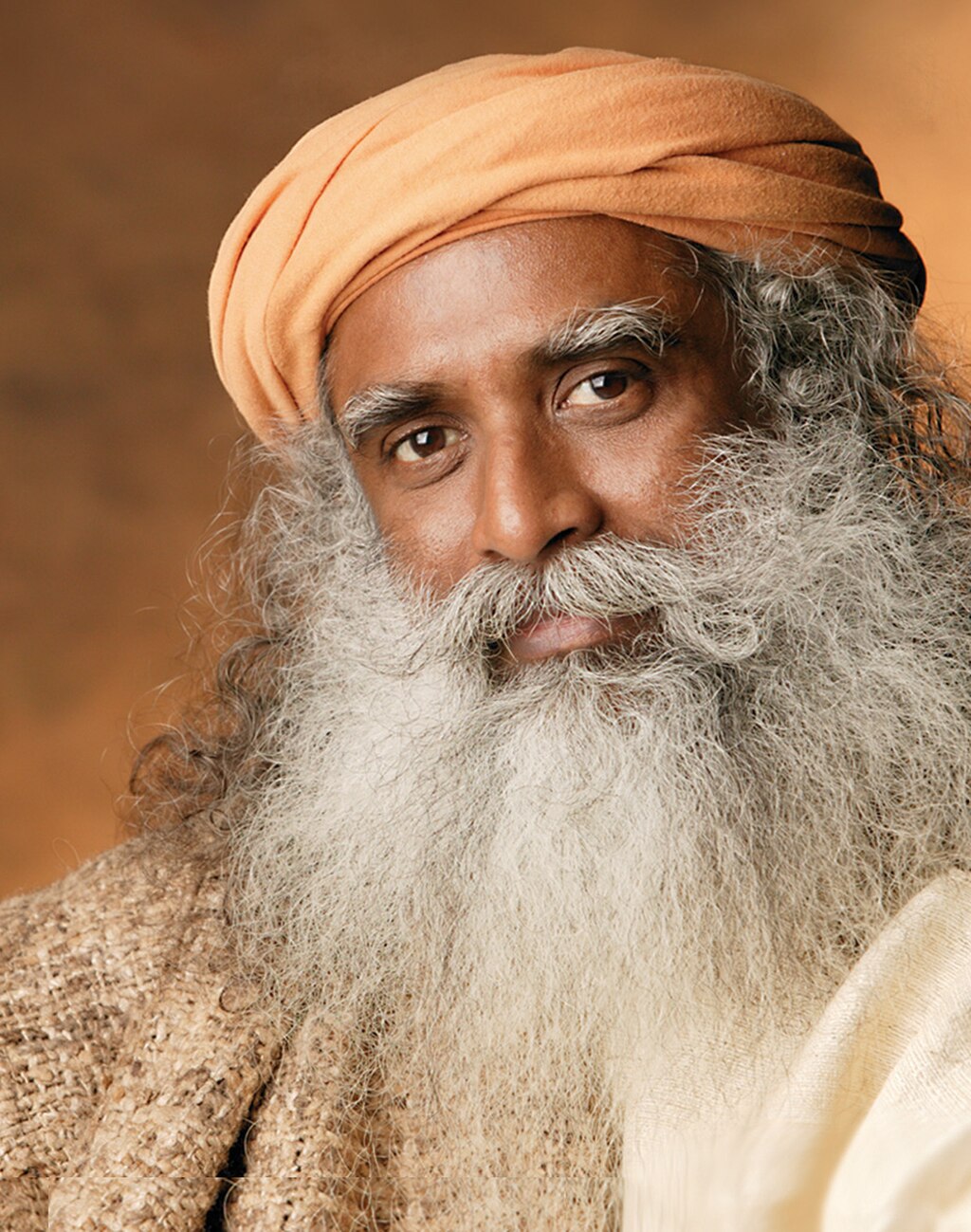
Sadhguru's assertion that "You don't need answers. You need clarity" invites us to reconsider our relationship with knowledge and understanding. In a world saturated with information, the pursuit of definitive answers can often lead to confusion and frustration. Clarity, on the other hand, is a state of being that allows us to navigate life's complexities with a sense of purpose and direction. This distinction is crucial; it emphasizes the importance of inner awareness over external validation, urging us to seek a deeper understanding of our own experiences rather than merely accumulating facts.
As we delve into this quote, we uncover layers of meaning that resonate with the essence of yoga and spiritual practice. Clarity is not simply the absence of confusion; it is a profound insight into the nature of our existence. It invites us to engage with our thoughts and emotions, to observe them without judgment, and to cultivate a sense of inner peace. This journey toward clarity is essential for personal growth, as it empowers us to align our actions with our true selves, fostering a more authentic and fulfilling life.
The image / the metaphor
The imagery in Sadhguru's words evokes a sense of illumination. When he speaks of clarity, he suggests a light that dispels the shadows of doubt and uncertainty. The verbs chosen—"need" and "clarity"—imply an active pursuit, a conscious choice to seek understanding rather than simply accepting superficial answers. This metaphor of light versus darkness encapsulates the struggle many face in their quest for meaning, highlighting the transformative power of clarity in illuminating our path.
Diving deeper into this metaphor, we can see clarity as a lens through which we view our experiences. It is not merely about having the right answers; it is about perceiving the essence of our circumstances. Clarity allows us to sift through the noise of everyday life, revealing the underlying truths that guide our decisions and actions. In this sense, clarity becomes a tool for discernment, enabling us to navigate the complexities of our existence with grace and wisdom.
In the speaker's tradition
Sadhguru's teachings are deeply rooted in the tradition of yoga, which emphasizes the importance of self-awareness and inner clarity. Concepts such as dharma, or one's true path, and prajna, or wisdom, are integral to understanding how clarity functions within this framework. In yoga, clarity is not just a mental state; it is a holistic experience that encompasses body, mind, and spirit. This interconnectedness underscores the idea that true understanding arises from a place of inner harmony rather than external validation.
In the context of yogic texts, we can draw parallels to the concept of sunyata, or emptiness, found in Buddhist philosophy. Just as sunyata invites practitioners to let go of attachments and preconceived notions, Sadhguru's call for clarity encourages us to release our dependence on definitive answers. Both teachings emphasize the importance of experiencing life as it is, free from the constraints of rigid beliefs and expectations. This alignment with the essence of our being fosters a deeper connection to ourselves and the world around us.
Living the teaching
Consider a modern scenario where the pursuit of answers can lead to overwhelming stress—such as navigating a career transition. In this situation, individuals often find themselves bombarded with advice and opinions, each claiming to hold the key to success. However, if one shifts the focus from seeking definitive answers to cultivating clarity about their own values and aspirations, the path forward becomes less daunting. Clarity allows for a more authentic exploration of one's desires, leading to choices that resonate with one's true self rather than external expectations.
This teaching can also be applied in relationships, particularly during moments of conflict. Instead of fixating on finding the "right" answer to a disagreement, individuals can benefit from seeking clarity about their feelings and motivations. By fostering open communication and a willingness to understand each other's perspectives, clarity emerges as a bridge that connects hearts and minds. This approach not only deepens intimacy but also cultivates a sense of shared understanding, transforming conflicts into opportunities for growth.
A reflection
As we reflect on Sadhguru's profound insight, we are invited to consider our own lives: What areas are we seeking answers in, and how might we instead cultivate clarity? This question encourages us to pause and examine our motivations, inviting a deeper exploration of our inner landscapes. In a world that often prioritizes quick fixes and definitive solutions, the pursuit of clarity offers a more enriching and transformative path toward understanding ourselves and our place in the universe.