The Path of Integration: Understanding Patanjali's Eight-Fold Journey
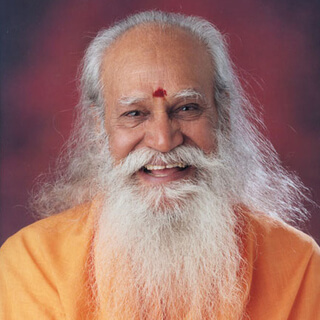
Swami Satchidananda's assertion that "the yoga sutras of Patanjali are the eight-fold path" invites us to explore a profound framework for personal and spiritual development. This statement encapsulates the essence of yoga as a holistic practice, emphasizing that the journey toward self-realization is not merely physical but also mental, ethical, and spiritual. Understanding this eight-fold path is crucial for anyone seeking to deepen their practice and cultivate a more meaningful existence.
In a world often dominated by fragmented experiences and superficial pursuits, the eight-fold path offers a cohesive structure that integrates various aspects of life. It serves as a guide, illuminating the way toward harmony and balance. By engaging with Patanjali's teachings, we can navigate the complexities of modern existence while fostering a deeper connection to ourselves and the universe. This journey is not just about achieving personal goals; it is about awakening to a greater reality that transcends the self.
The image / the metaphor
The phrase "the eight-fold path" conjures an image of a winding road, rich with diverse landscapes and experiences. Each fold represents a distinct yet interconnected aspect of yoga: ethical conduct, self-discipline, physical postures, breath control, sensory withdrawal, concentration, meditation, and ultimate absorption. The verbs chosen—"are" and "path"—suggest a sense of being and movement, indicating that this journey is both a state of existence and an active pursuit. It evokes a sense of progression, where each step builds upon the last, leading us toward a more profound understanding of ourselves.
In the speaker's tradition
Swami Satchidananda, a prominent figure in the integral yoga tradition, emphasizes the importance of holistic development in his teachings. Integral yoga seeks to harmonize the physical, mental, and spiritual dimensions of life, aligning closely with the principles outlined in Patanjali's Yoga Sutras. Concepts such as dharma, or righteous living, and bhakti, the path of devotion, resonate deeply within this framework, highlighting the interconnectedness of ethical behavior and spiritual practice. The eight-fold path serves as a practical guide for embodying these principles in everyday life.
In the context of Patanjali's work, we can draw parallels with other spiritual texts that emphasize the importance of a structured approach to personal growth. For instance, the Buddhist concept of the Noble Eightfold Path shares similarities, focusing on ethical conduct, mental discipline, and wisdom. Both traditions recognize that the journey toward enlightenment requires a comprehensive understanding of oneself and the world, underscoring the universality of these teachings across spiritual landscapes.
Living the teaching
Consider a modern scenario where an individual grapples with the demands of work and personal life. The eight-fold path offers a framework for navigating this complexity. By practicing ethical conduct in the workplace, such as honesty and integrity, one can create a more harmonious environment. Incorporating self-discipline through regular meditation and physical practice can help manage stress and cultivate resilience, allowing for a more balanced approach to life's challenges.
In relationships, the teachings of the eight-fold path can also provide valuable insights. For example, during a conflict with a loved one, one might draw upon the principles of sensory withdrawal and concentration to remain present and attentive. By practicing active listening and empathy, we can foster deeper connections and understanding. This approach not only enhances our relationships but also aligns with the broader goal of self-realization, as we learn to navigate interpersonal dynamics with grace and compassion.
A reflection
As we contemplate Swami Satchidananda's assertion regarding the eight-fold path, we are invited to reflect on our own journeys. What aspects of this path resonate most deeply with you? In what ways can you integrate these teachings into your daily life to foster greater harmony and balance? This contemplation encourages us to engage actively with the wisdom of Patanjali, allowing it to illuminate our paths as we seek to embody the essence of yoga in all that we do.




Join the BrightStar Community
Stay connected with daily inspiration, event announcements, and community wisdom