Healing Waters of the Soul: The Power of Chant
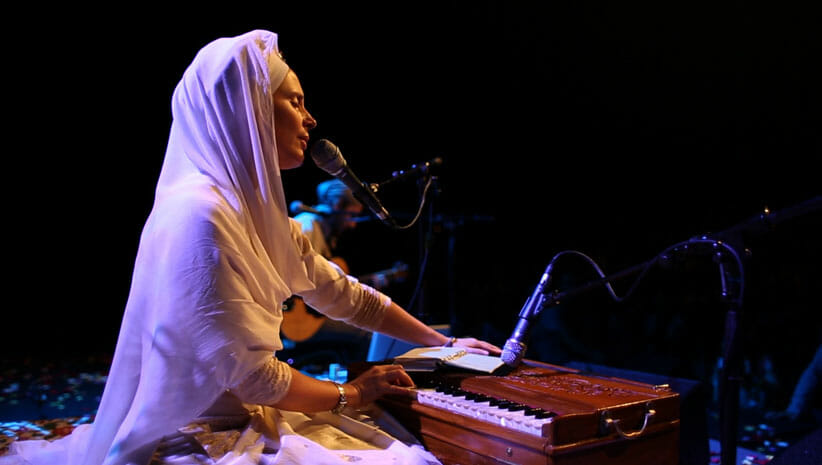
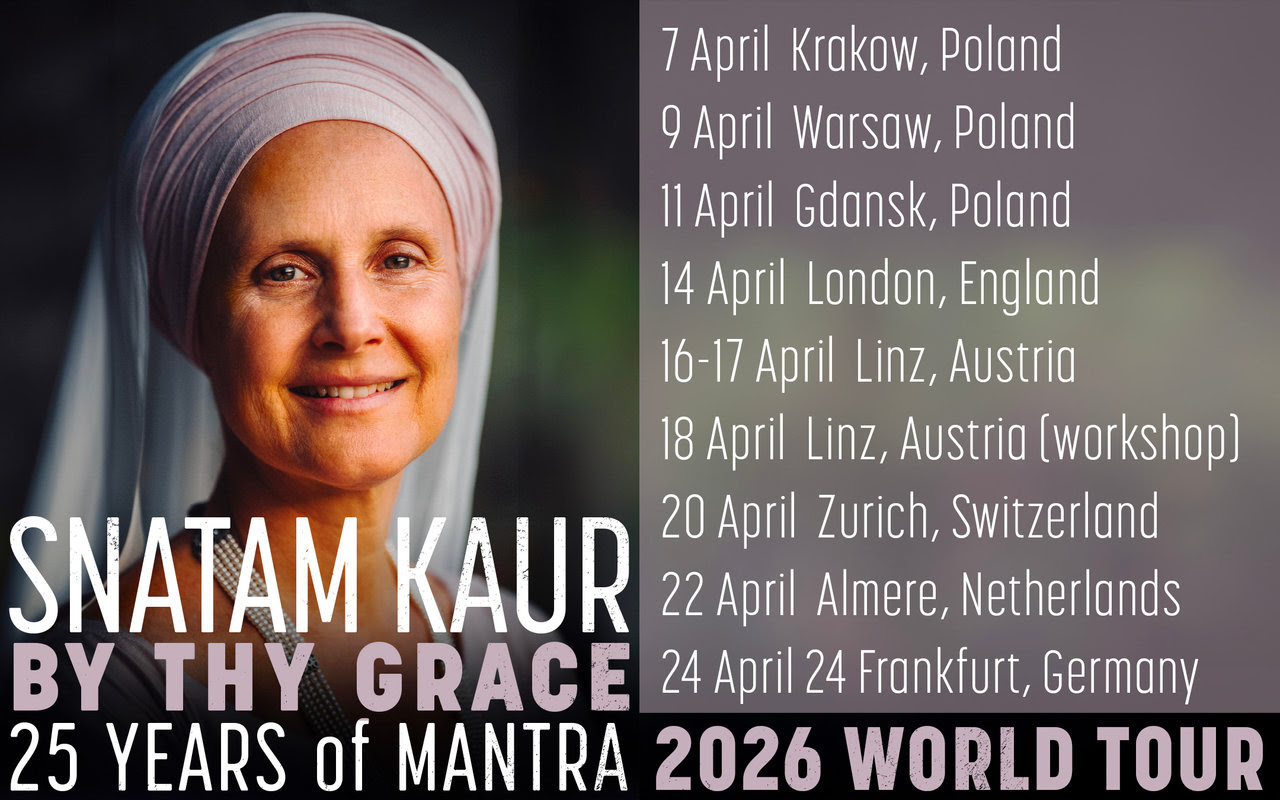
In the words of Snatam Kaur, "In every chant, healing waters flow," we are invited to explore the profound connection between sound, spirit, and the healing properties inherent in both. This quote encapsulates the essence of how sacred sound can serve as a conduit for healing, not just for the individual, but for the collective. In a world often fraught with disconnection and turmoil, the act of chanting becomes a transformative practice, offering solace and restoration to those who engage in it.
Chanting, as Kaur suggests, is not merely an act of vocalization; it is a deep, spiritual practice that taps into the very currents of life itself. The imagery of "healing waters" evokes a sense of nourishment and renewal, suggesting that through the vibrations of sound, we can access a reservoir of healing energy. This quote invites us to consider the sacredness of our voices and the potential they hold to heal ourselves and others, reminding us that we are all interconnected through the waters of life.
The image / the metaphor
The phrase "healing waters" conjures vivid imagery of flowing streams and gentle rivers, symbolizing the fluidity and adaptability of sound as it moves through space and time. The choice of the word "chant" emphasizes a rhythmic, intentional act, one that is both communal and personal. In this context, chanting becomes a sacred ritual, a practice that allows us to immerse ourselves in the healing properties of sound, much like one would immerse themselves in a soothing body of water.
Diving deeper into the metaphor, we can see that water is often associated with purification and renewal in many spiritual traditions. Just as water cleanses the physical body, the act of chanting can cleanse the spirit, washing away negativity and fostering a sense of peace. The flow of healing waters suggests an ongoing process, one that requires our active participation and openness to receive the blessings that come through sound. This metaphor invites us to reflect on how we can allow the healing vibrations of our own voices to resonate within us and in our communities.
In the speaker's tradition
Snatam Kaur's teachings are deeply rooted in Sikhism, a tradition that emphasizes the importance of devotion (bhakti) and the transformative power of sound (shabad). In Sikh philosophy, the act of chanting is not merely an expression of faith but a pathway to experiencing divine presence and connection. The concept of dharma, or righteous living, is intricately linked to the practice of chanting, as it aligns the individual with the universal flow of life and love, fostering a sense of unity with all beings.
Moreover, the Sikh scripture, the Guru Granth Sahib, is filled with hymns that emphasize the healing power of sound and devotion. For instance, the notion of "sangat," or community, highlights the collective aspect of chanting, where the vibrations of sound are amplified and shared among participants. This communal practice not only enhances the healing experience but also reinforces the interconnectedness of all souls, echoing Kaur's assertion that healing waters flow through every chant.
Living the teaching
Imagine a modern scenario where a group of friends gathers for a weekend retreat, seeking solace from the stresses of daily life. As they sit together in a circle, they begin to chant sacred mantras, allowing the vibrations to wash over them. In this shared experience, they find themselves enveloped in a sense of peace and healing, as the sound resonates within their hearts and minds. This moment exemplifies how the act of chanting can create a sanctuary, a space where healing waters flow freely, nourishing the spirit and fostering connection.
In a different context, consider a challenging moment in a relationship where misunderstandings have created distance. One partner might choose to engage in a personal practice of chanting, using the sound to cultivate inner peace and clarity. As they immerse themselves in the healing vibrations, they may find the strength to approach their partner with compassion and understanding, transforming the energy of the relationship. This illustrates how the teachings of Kaur can be applied in everyday life, allowing the healing waters of chant to flow into our interactions and relationships.
A reflection
As we contemplate Snatam Kaur's profound words, we are invited to consider the role of sound in our own lives. How can we harness the healing power of our voices to create a more harmonious existence for ourselves and those around us? In what ways can we incorporate chanting into our daily practices, allowing the healing waters to flow through us and into the world? Reflecting on these questions can deepen our understanding of the transformative potential that lies within each chant, guiding us toward a more connected and compassionate way of being.