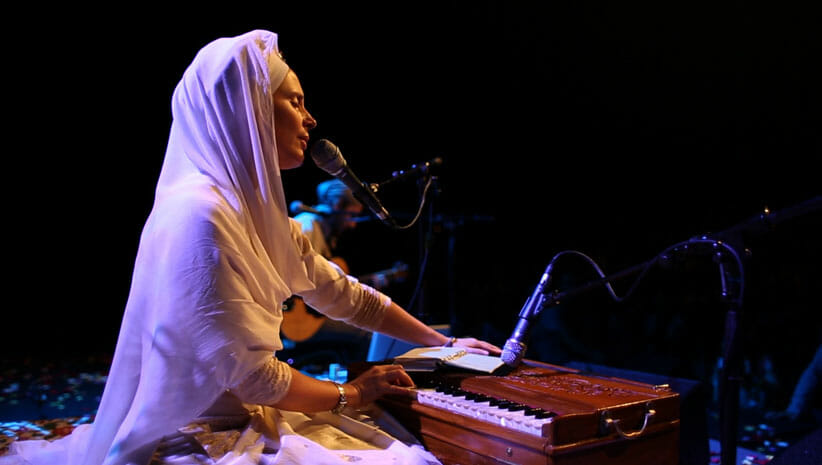
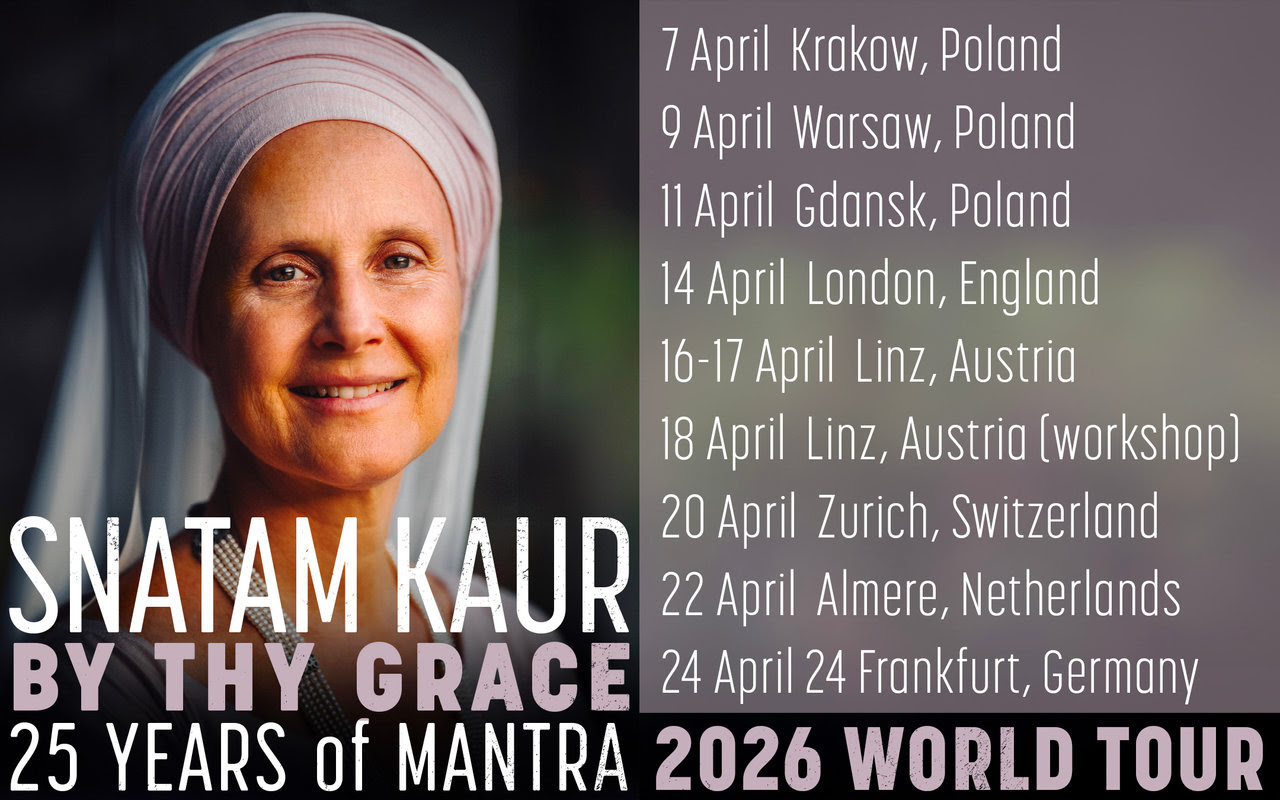
Voices of Tomorrow: The Call to Sing for Our Children
“Sing for the children. Sing for the future.” In these simple yet profound words, Snatam Kaur invites us to consider the weight of our actions and the legacy we leave behind. The act of singing, often associated with joy and expression, becomes a powerful metaphor for nurturing the next generation. This call to action transcends mere entertainment; it is a reminder of our responsibility to cultivate a world that resonates with hope, love, and possibility for those who will inherit it. The stakes are high, as the future is shaped by the values and intentions we instill in our children today.
To sing for the children is to engage in a form of service that acknowledges their potential and the dreams they carry. It is an invitation to participate in a collective journey toward a brighter future, where the voices of the young are not only heard but celebrated. This sentiment resonates deeply within the Sikh tradition, where service (seva) is a fundamental tenet. By singing for the future, we are not merely expressing ourselves; we are actively participating in the creation of a nurturing environment that fosters growth, compassion, and understanding. This act of singing becomes a sacred duty, a way to connect with the divine and with one another.
The image / the metaphor
The imagery of singing evokes a sense of community and shared experience. Singing is an act that brings people together, transcending barriers of language and culture. The choice of the verb "sing" suggests an active engagement, a call to express joy and hope. It implies a rhythm and melody that can uplift spirits and inspire action. The phrase "for the children" adds a layer of urgency and purpose, reminding us that our voices can shape the world in which they will grow. This metaphor extends beyond mere vocalization; it embodies the essence of nurturing, guiding, and uplifting the next generation.
Diving deeper into the metaphor, we find that singing is not just about the sound produced; it is about the intention behind it. To sing for the future is to invest in the well-being of those who will come after us. It is an acknowledgment that our actions today create ripples that will affect generations to come. The act of singing becomes a form of prayer, a way to channel our hopes and aspirations into the universe. This resonates with the Sikh concept of 'shabad,' or divine sound, which emphasizes the transformative power of sound and vibration in connecting with the divine and with each other.
In the speaker's tradition
Snatam Kaur's message is deeply rooted in the Sikh tradition, which emphasizes the importance of service, community, and the interconnectedness of all beings. The concept of 'seva' is central to Sikh philosophy, advocating for selfless service to others, particularly those who are vulnerable. By singing for the children, we engage in a form of seva that nurtures the future, recognizing that our well-being is intertwined with theirs. This idea is echoed in the Sikh scripture, the Guru Granth Sahib, which teaches that true wealth lies in the service of others, especially the young and the needy.
Moreover, the notion of 'bhakti,' or devotion, plays a significant role in this context. Singing can be seen as an expression of devotion not only to the divine but also to the community and the future generations. In the Guru Granth Sahib, we find numerous hymns that celebrate the beauty of creation and the importance of living in harmony with one another. The act of singing becomes a spiritual practice that aligns our hearts with the divine will, fostering a sense of unity and purpose that extends beyond ourselves.
Living the teaching
In our modern world, the call to "sing for the children" can manifest in various ways. Consider a community initiative aimed at providing educational resources to underprivileged children. Volunteers come together to organize workshops, mentorship programs, and creative arts sessions, all designed to empower the younger generation. In this scenario, the act of singing takes on a literal and metaphorical meaning, as community members share their talents and knowledge, creating a harmonious environment where children can thrive. This collective effort embodies the spirit of service and highlights the importance of investing in the future.
On a more personal level, this teaching can be applied within our relationships, particularly with family and friends. Imagine a parent who consciously chooses to engage in open conversations with their children about their dreams and aspirations. By actively listening and encouraging their voices, the parent is "singing" for their child's future, fostering a sense of self-worth and possibility. This practice of nurturing relationships can transform difficult moments into opportunities for growth and understanding, reminding us that our interactions today shape the emotional landscape of tomorrow.
A reflection
As we contemplate Snatam Kaur's poignant words, we are invited to reflect on our own contributions to the future. How can we use our voices—whether through singing, speaking, or acting—to uplift and empower the children in our lives? In what ways can we embody the spirit of service that nurtures not only the present but also the generations to come? These questions challenge us to consider the legacy we wish to leave behind and the role we play in shaping a world filled with hope and possibility.